
Vandaag of morgen in huis

Kwaliteit gegarandeerd

Welkomstaanbiedingen ontgrendelen: GRATIS bezorging | Tot 80% korting | Gratis 30 dagen JoyPlus-proefperiode
Download de app
A thermos flask may seem simple, but differences between models can make a real difference in everyday use. A flask might claim to keep drinks hot for hours, yet still be awkward because of a narrow opening, a fiddly lid or parts that are difficult to clean. So if you commute, study, walk or camp, choosing a flask is about more than capacity or colour.
The most common pitfalls are:
For coffee or tea on the go, 400 to 750 ml is often a practical choice. A 500 ml model is usually a good fit for a working day or train journey. If you’ll be outdoors for longer, consider 700 ml, 1.2 litres or more. Look at the height and diameter as well as the capacity.
A 1.2-litre flask, for example, could be a good choice for a long walk, but it will take up more space. For several people, a thermos jug with a 2-litre capacity is more convenient than carrying several smaller flasks.
A vacuum-insulated flask has a double wall with a sealed space between the layers. This helps to limit heat transfer. Always check whether the manufacturer gives separate figures for hot and cold drinks.
Stainless steel thermos flasks are popular for their sturdy exterior and understated look. The product information may also specify 304 or 316 stainless steel. That’s useful, verifiable information, but it doesn’t automatically mean a model is right for every situation.
According to the product description, the 500 ml Mepal Insulated Bottle Ellipse keeps drinks hot for up to 12 hours and cold for up to 24 hours. The Stanley Artisan Thermal Food Jar is listed as keeping contents hot for 13 hours and cold for 15 hours. These times are the manufacturer’s product specifications; in practice, the contents, ambient temperature and how often you open the flask can affect the results.
A leakproof thermos flask should have a well-fitting lid, a sealing ring and a clear closing mechanism. Check whether you can remove the ring for cleaning and whether replacement parts are available. Before using a new flask, fill it with water and turn it upside down over the sink. That way, you can check the seal without spilling coffee in your bag.
A wide opening is important for soup and meals. A lunch flask, soup flask or insulated food container should be easy to fill and eat from. Pressure can build up when the contents are hot, so open it carefully and follow the instructions. A thermos flask isn’t a microwave or cooking pot unless the manufacturer specifically says otherwise.
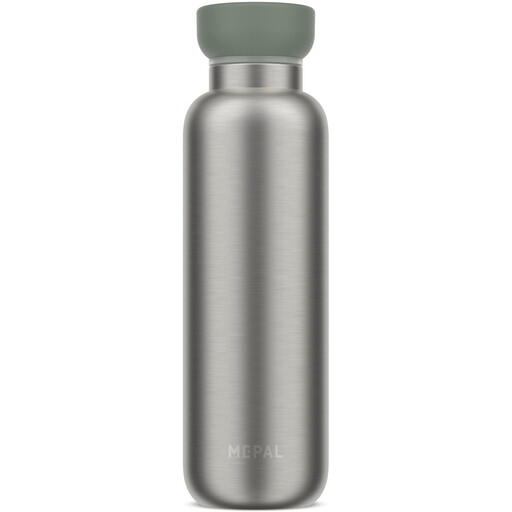
Why it suits this profile: Its compact capacity and 7 cm diameter make this model practical for commuting, the office and everyday use.
The wide opening makes it easier to fill and add ice. The product description states that it has a leakproof lid and is easy to care for.
500 ml capacity, stainless steel and, according to the product information, keeps drinks hot for up to 12 hours and cold for up to 24 hours.
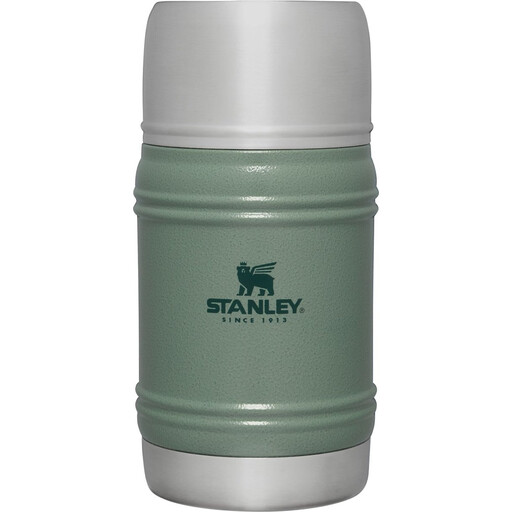
Why it suits this profile: This food flask is designed for anyone looking for a sturdy, reusable way to carry hot or cold meals.
The product description lists recycled stainless steel, a cork insert and lid, a leakproof seal and dishwasher-safe construction.
500 ml capacity; according to the product information, keeps contents hot for 13 hours and cold for 15 hours. Hand washing is recommended to help it last longer.
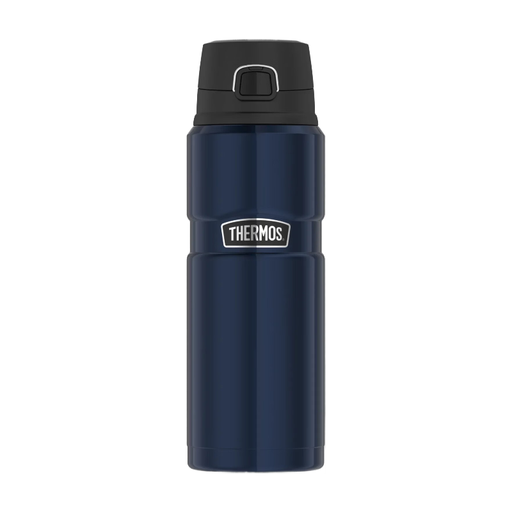
Why it suits this profile: Its 700 ml capacity and one-handed operation make it a good fit for long working days, car journeys and outdoor activities.
The product information lists a safety lock, a leakproof seal and parts that can go in the top rack of the dishwasher.
304 stainless steel, 468 grams and, according to the product description, keeps drinks hot for up to 15 hours and cold for up to 24 hours.
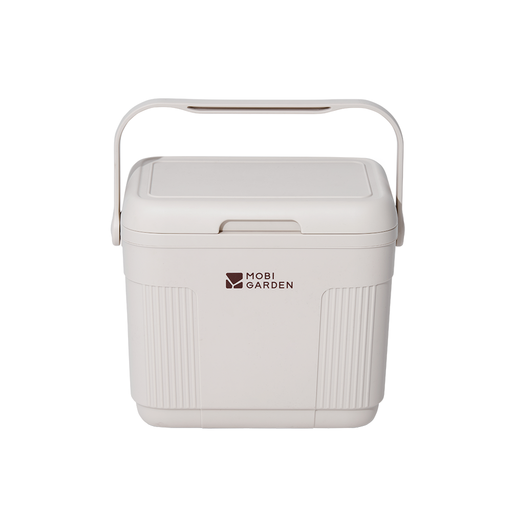
Why it suits this profile: This cool box for camping, picnics, fishing and travel offers more space than an individual thermos flask.
The PU insulation layer, silicone seal and carry handle are designed with transport in mind. The manufacturer states that pre-cooling the box and opening it as little as possible help it work effectively.
10-litre capacity and, according to the product information, keeps contents cool for 16 to 40 hours with an ice pack. The product doesn’t actively cool or heat its contents.
We’ve put together a complete, up-to-date list of products that meet these strict selection criteria and the applicable European safety regulations.
Rinse your flask after use and leave the lid and flask open to dry. Clean the sealing rings separately, as smells and residue can collect there. Don’t use an abrasive sponge or harsh cleaning products if the manufacturer advises against them. If you’re using a food flask, preheating it with hot water helps reduce the temperature difference when you add your food. Pre-cooling it works in much the same way for cold contents.
Check the lid and silicone ring regularly. A worn seal is a common cause of leaks. Under EU consumer rules, products covered by the regulations have a minimum two-year legal guarantee; additional rights may apply under the relevant national legislation.
It depends on the model and how you use it. Manufacturers often give a maximum heat-retention time based on specific conditions. Fill the flask properly, preheat it with hot water and open it as little as possible to reduce heat loss.
A soup flask or wide-mouth food flask is usually the best choice. It’s easier to fill and clean than a narrow drinks flask. Leave some room if the contents are hot, and open it carefully to avoid pressure build-up and splashes.
It depends on the product and its individual parts. The Mepal flask lists some dishwasher-safe plastic components, while hand washing is recommended for the coloured flask. According to the product information, the Thermos SK Bottle can go in the top rack, while some Thermos mugs must be washed by hand. Always check the specific care instructions.
