
Vandaag of morgen in huis

Kwaliteit gegarandeerd

Welkomstaanbiedingen ontgrendelen: GRATIS bezorging | Tot 80% korting | Gratis 30 dagen JoyPlus-proefperiode
Download de app
Taking a hot meal to work, university, or on a day trip sounds ideal. No more lukewarm lunches or depending on a microwave. But the search for the right thermos food jar can be frustrating. The market is flooded with models that promise the world but often fall short in practice.
Before you invest in a new insulated container for your food, it's important to recognize the common pitfalls. Many buyers fall for marketing claims that don't hold up in reality.
leak-proof food jar that still leaks can ruin your entire bag and your day.To avoid a bad purchase, it's better to focus on objective product features rather than marketing promises. Pay attention to the following three points.
A good insulated lunch box works based on double-wall vacuum insulation. The air between the inner and outer stainless steel walls is removed, which means heat (or cold) can barely escape.
Look at the type of stainless steel. 18/8 stainless steel (also known as type 304) is the industry standard: food-safe, durable, and it doesn't affect the taste. Some premium models use 316 stainless steel, which is even more resistant to corrosion from acids and salts. Also, ensure that all plastic parts, like the lid, are BPA-free.
A reliable seal is crucial. The most effective designs have a simple, robust screw-on lid with a thick, removable silicone ring. This combination creates an airtight seal that can handle pressure and prevent leaks. Avoid lids with too many click mechanisms or sliders; the more moving parts, the greater the risk of wear and leakage.
Think about what you plan to carry. For a portion of soup or yogurt, a soup thermos of 400-500 ml is often sufficient. For a full hot meal like pasta, rice, or a stew, a food thermos of 700 ml or more is a better choice.
Also, pay attention to the diameter of the opening. A wide opening not only makes it easier to fill the container and eat from it but also to clean it thoroughly. A lunch box for a hot meal should be practical for daily use.
Based on these objective criteria, we have selected a number of products that suit different needs.
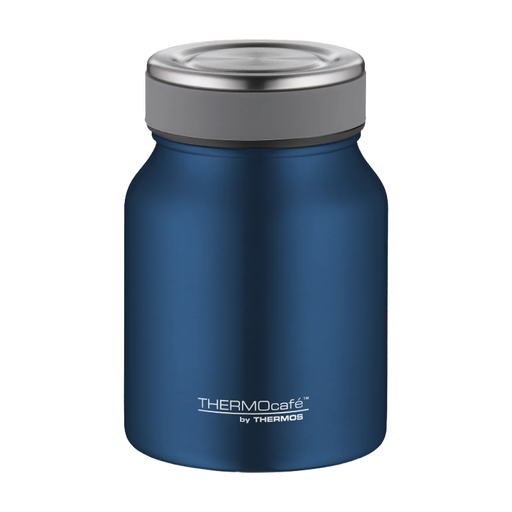
Why This Fits Their Persona: Ideal for those who take a daily portion of soup, oatmeal, or a small pasta meal. The compact 500 ml size fits easily into a work or school bag without taking up much space.
Tackles the cleaning nightmare: this model is fully dishwasher-safe. The wide opening (6.5 cm) and simple screw-on lid also make manual cleaning very easy.
Fully dishwasher-safe for maximum convenience. According to the manufacturer, Thermos, the Thermax insulation technology keeps food hot for up to 9 hours or cold for 14 hours.
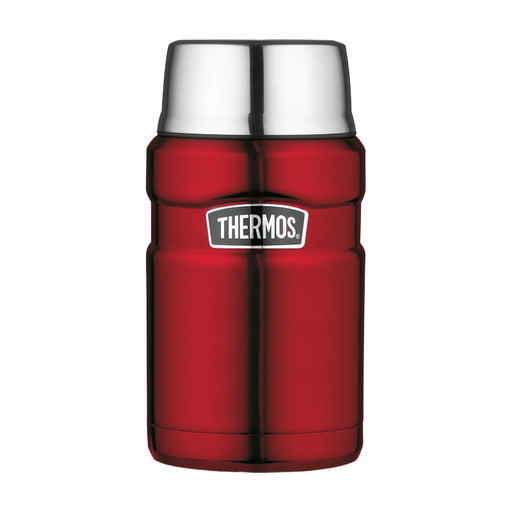
Why This Fits Their Persona: For those for whom a small portion isn't enough. With a capacity of 710 ml, there's room for a full-sized meal. Perfect for long workdays, after a workout, or during a hike.
The Stainless King series is known for its robust and reliable performance, countering the myth of unrealistic insulation times. The construction is shock- and break-resistant, and the simple screw-on lid is proven to be leak-proof.
Large 710 ml capacity and a very wide opening (9.3 cm diameter) for easy filling and eating. Made from durable 18/10 stainless steel.
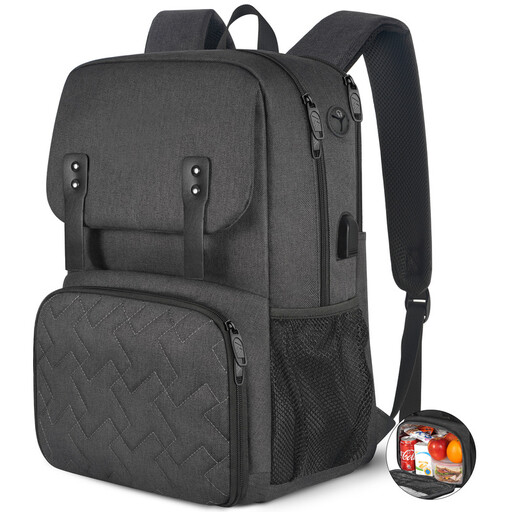
Why This Fits Their Persona: For those who want an all-in-one solution: a backpack for your laptop, books, and other items, with a separate, integrated cooler compartment. No more separate bags, just one organized solution for work or study.
This isn't a standalone container, but a complete `insulated lunch bag` in the form of a backpack. It solves the problem of a leaking container in your bag by providing a dedicated, water-resistant, and insulated compartment.
Combines a laptop compartment (up to 15.6 inches) with a cooler section that keeps food hot or cold for 2-4 hours. Includes handy extras like a USB charging port and a luggage strap.
We have compiled a complete, up-to-date list of products that meet these strict selection criteria and local regulations.
Always check first if the container is dishwasher-safe. If not, or if you prefer to wash it by hand, use warm water and a mild dish soap. Use a soft sponge or brush and avoid abrasive pads, as they can scratch the stainless steel. Rinse well and let all parts, including the silicone ring, air dry completely before reassembling. This prevents unpleasant odours.
A simple but effective trick is to preheat the insulated container. Pour in boiling water, close the lid, and let it sit for 5-10 minutes. Pour out the water and immediately add your hot meal. This ensures the heat from your food isn't immediately used to warm up the cold inner wall, keeping your meal noticeably warmer for longer.
Both are high-quality, food-grade types of stainless steel. The main difference is that 316 stainless steel contains molybdenum. This element makes the material extra resistant to corrosion from salts and acids. While 304 (18/8) stainless steel is perfectly fine for most meals, a stainless steel food container made of 316 stainless steel can be a more durable choice if you often carry acidic meals (like tomato sauce) or highly salted soups.
