
Vandaag of morgen in huis

Kwaliteit gegarandeerd

Welkomstaanbiedingen ontgrendelen: GRATIS bezorging | Tot 80% korting | Gratis 30 dagen JoyPlus-proefperiode
Download de app
A thermos food container is ideal for soup at lunchtime, pasta on the go or a cold salad during a walk. However, many purchases fail to live up to expectations. A product may promise long-lasting temperature retention, while the container is difficult to clean in practice or does not fit properly in your bag.
So do not focus solely on the brand or an attractive offer. Pay particular attention to capacity, closure, opening, materials and care. Use the checks below to choose a food thermos that suits work, school, commuting, camping or meal prepping.
A thermos food container of 1 litre or more may seem versatile, but it also takes up more space and adds weight. For a single lunch, 470 to 500 ml is often enough. If you want to take a full meal for several people, it may be better to look at 1.4 or 1.5 litres.
As well as capacity, check the height, diameter and empty weight. A 500 ml stainless steel food container can already weigh well over 350 grams; a larger version can become considerably heavy when filled with food, especially in a school bag or rucksack.
A leak-proof lunch box depends on the sealing ring and lid. A screw-top lid is generally straightforward to use and clean, while complicated valves have extra components where food residue can collect.
“Leak-proof” also does not mean that every container should be carried upside down. Follow the instructions for use, tighten the lid fully and check the silicone ring regularly for dirt, wear or deformation.
Heat retention is often stated in hours, but the result depends on the starting temperature, the amount of food, how often you open the container and the ambient temperature. A soup thermos for a short train journey has different requirements from a thermos lunch box for a long walk.
A little preparation can help: fill the container with hot water for a few minutes, empty it and then add the hot food. For cold dishes, you can do the same with cold water.
Use this guide as a starting point:
A 500 ml thermos food container is usually easier to carry. A 1-litre thermos food container offers greater flexibility, but requires a larger bag and a stable surface when eating.
Double-wall vacuum insulation limits heat exchange between the contents and the surrounding air. This is the relevant construction for a vacuum-insulated lunch box. Product descriptions sometimes state a specific number of hours for keeping food hot or cold. Treat this as a product specification provided by the brand, rather than a guaranteed result in every situation.
According to the product information supplied by various brands, retention times ranging from several hours to longer are stated. For safe use, it remains important to prepare food correctly, fill the container quickly and avoid opening it unnecessarily.
304 stainless steel and 18/8 or 18/10 stainless steel are commonly used for food containers. 316 stainless steel is also available. Always check exactly what is stated on the product page and whether the lid, interior and seal are made from the same material.
A wide opening makes filling, eating and washing up easier. Also look for:
Do not use an insulated food container in a microwave, oven or on a hob unless the manufacturer expressly permits it. Very hot contents can also create pressure. Open the container carefully and follow the safety instructions.
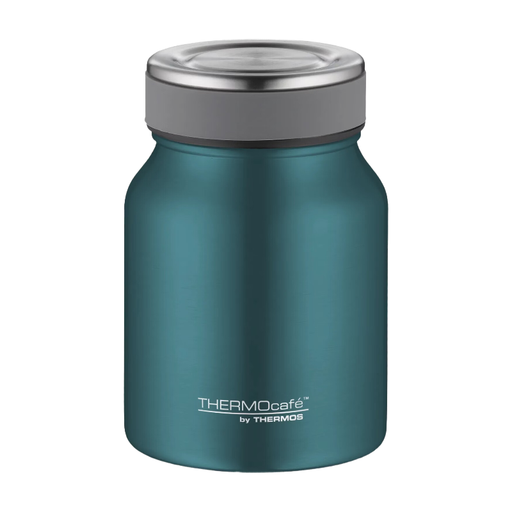
Why it suits this profile: The 500 ml capacity is practical for a single lunch, while the compact size is well suited to everyday travel to work or school.
The wide opening and screw-top closure make filling and cleaning easier than with a narrow drinks bottle.
500 ml capacity, stainless steel construction, silicone sealing ring and, according to the product information, dishwasher-safe design.
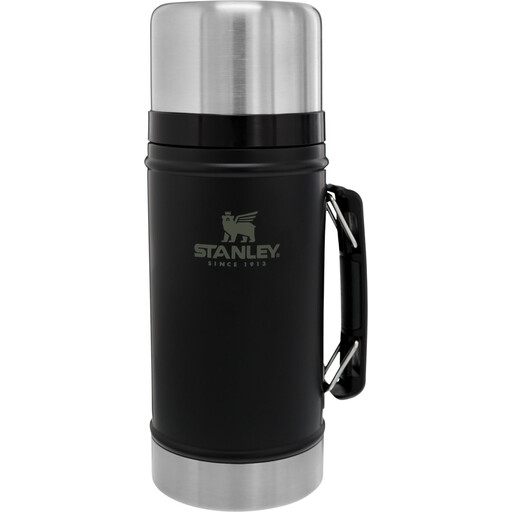
Why it suits this profile: The 0.94-litre capacity and handle are practical for longer working days, outdoor activities and generous meals.
The wide opening helps prevent food residue from being left behind. Do check the latest cleaning instructions before buying.
18/8 stainless steel, double-wall vacuum insulation, folding handle and a lid that can serve as a cup according to the product description.

Why it suits this profile: The 1.5-litre capacity is designed for several portions, longer trips or meals for a household.
The wide opening is suitable for large portions and makes emptying and hand washing more accessible.
316 stainless steel, vacuum insulation, 1.5-litre capacity and an included sealable lid according to the product details.
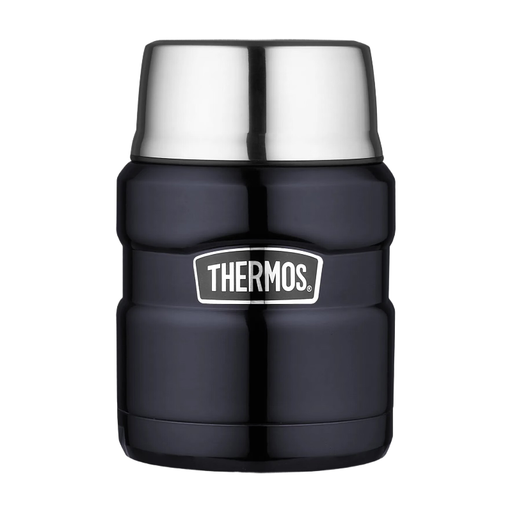
Why it suits this profile: With a 470 ml capacity and stated weight of 376 grams, this food jar is designed for one portion during the commute, at school or while camping.
The simple screw-top closure has no complex mechanical parts that are difficult to clean.
470 ml, 18/8 stainless steel, integrated seal and a compact cylindrical shape.
We have put together a complete, up-to-date list of products that fully meet these strict selection criteria and the applicable European safety regulations.
Allow the container to cool first, then rinse it with warm water and mild washing-up liquid. Use a soft sponge. Clean the sealing ring separately if possible and allow all parts to dry completely before closing the lid. Always check whether the manufacturer recommends hand washing or dishwasher use.
This varies by model and how it is used. Product descriptions may state, for example, 4 to 6 hours, 9 hours or longer. Preheat the insulated food container with hot water and put the food in while it is as hot as possible. The actual temperature may vary depending on the amount of food and the outdoor temperature.
For a standard lunch, 500 ml is a practical starting point. If you want to take a larger meal, an extra side dish or several portions, choose 710 ml, 0.94 litres or a 1-litre thermos food container. A 1.4- or 1.5-litre version is particularly suitable for sharing and meal prepping, but is less lightweight for everyday carrying.
