
Vandaag of morgen in huis

Kwaliteit gegarandeerd

Welkomstaanbiedingen ontgrendelen: GRATIS bezorging | Tot 80% korting | Gratis 30 dagen JoyPlus-proefperiode
Download de app
A good thermos flask can keep your morning coffee hot during a long train journey. A suitable camping sleeping mat can make all the difference between travelling light and carrying unnecessary bulk in your rucksack. Yet when it comes to thermos and camping gear, the same buying mistakes are often made.
Common pitfalls include:
Choose the capacity based on how you'll use it:
Also check the height and diameter. A thermos mug needs to fit in your cup holder; a thermos flask must fit in your rucksack pocket or bike bag. The THERMOS TC Drinking Mug, 350 ml, for example, has a height of 16.7 cm and a diameter of 7.5 cm, making it relatively easy to carry.
Double-walled stainless steel with vacuum insulation is common for thermos flasks, thermos mugs and thermos jugs. Brands often state a number of hours for hot and cold use. Treat this as a product specification under certain conditions, not as a guaranteed temperature in every situation.
The closure is just as important:
With hot drinks, it's important to open carefully. In some food thermos models, pressure can build up when hot contents are sealed for a long time. Always follow the instructions for use.
Stainless steel is sturdy and suitable for reuse. Also pay attention to plastic parts, the lid construction and any coating. Check whether the product requires hand washing or is dishwasher-safe. The stated features vary from model to model, even within the same product line.
For campers and hikers, weight matters even more. A lightweight camping setup isn't just about the lightest product; it's about the right balance between weight, size, insulation and durability.
For sleeping mats, these points are particularly relevant:
An R-value gives an indication of the mat's thermal insulation against the ground. For cold conditions, a foam mat can be combined with an air mattress. Clear the ground of sharp stones and twigs beforehand.
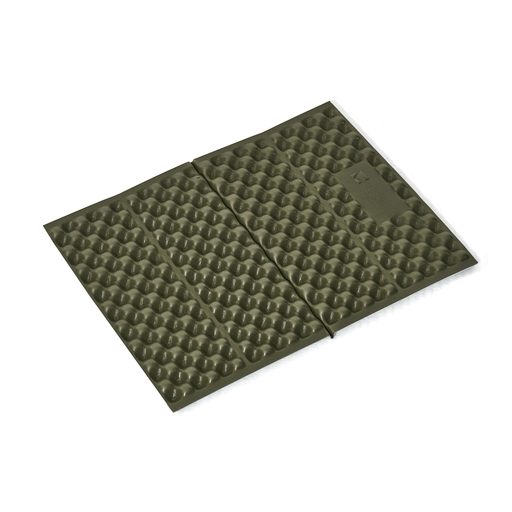
Why this fits the profile: This foldable seat cushion is designed for short walks, picnics, fishing and breaks on the go. At around 45 grams, it adds very little extra weight to your bag.
The dimensions, weight and XPE foam are clearly stated. This makes it obvious beforehand that this is a seat cushion and not a full camping sleeping mat.
Around 45 grams, size 40 × 30.5 cm and a lightly water-repellent surface.
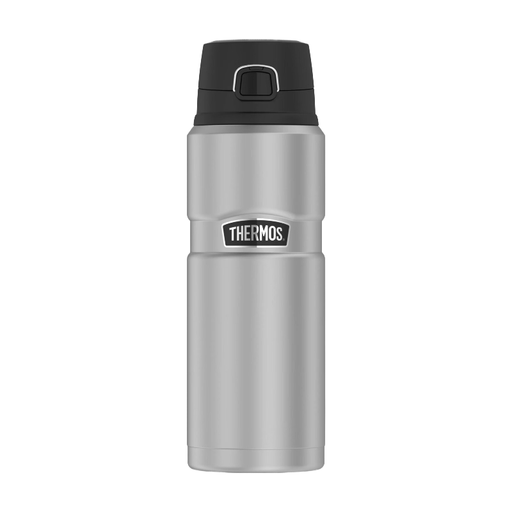
Why this fits the profile: A stainless steel thermos flask with a 700 ml capacity for commuters, outdoor enthusiasts and everyday use.
The product specification states a screw cap, safety lock and double-walled vacuum insulation. This makes the closure verifiable before purchase.
1.2 litre capacity, stainless steel body and an integrated seal according to the product description.
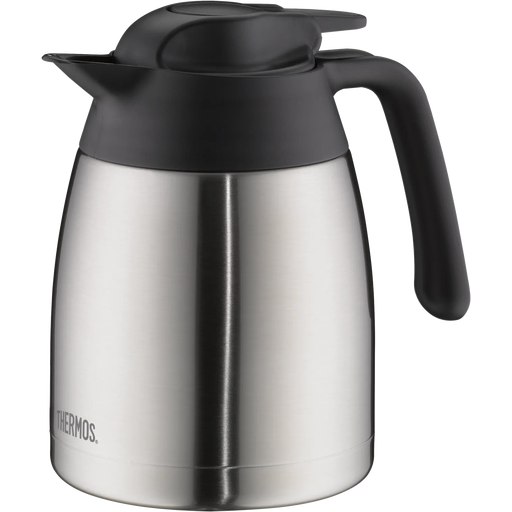
Why this fits the profile: This 2-litre thermos jug is practical for a household, office, camping group or workplace where several people need drinks.
The wide 7.5 cm opening makes filling and cleaning easier. The description also mentions a push-button and double silicone seal.
2 litre capacity, stainless steel and a cylindrical shape with a handle.
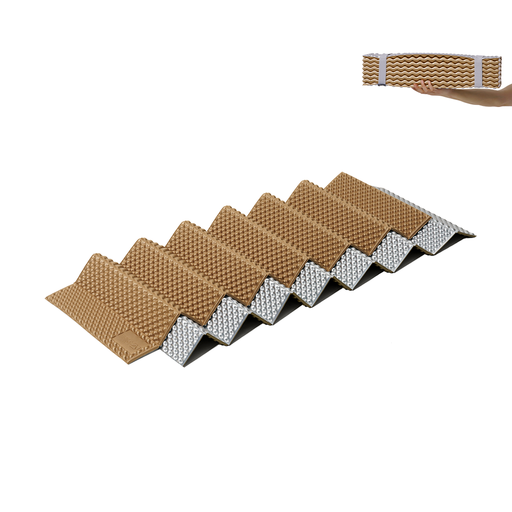
Why this fits the profile: This foldable camping mat measures 183 × 55 × 1.7 cm and weighs around 0.5 kg, making it suitable for trekking and backpacking.
The manufacturer describes an XPE foam base, water-repellent polyester and a packed size of 56 × 13 × 14 cm. Sharp surfaces and fire should be avoided.
Around 0.5 kg, foldable design and a structure that, according to the manufacturer, creates an insulating air layer.
We've put together a full, up-to-date list of products that fully meet these strict selection criteria and comply with current European safety regulations.
A food thermos of 500 ml is suitable for one meal, such as soup, pasta or porridge. A 710 ml model offers more room for a larger lunch. Pay attention to the diameter of the opening: a wide opening is easier to fill, eat from and clean.
For coffee at the office, in a holiday cottage or during a workday, a single-serve coffee maker can be practical. The Butler Single-Serve Coffee Maker has, according to the product specification, a power output of 750 watts, a 0.4 litre capacity, a reusable nylon filter and automatic shut-off. The appliance runs on mains power and is therefore not suitable for every campsite.
That depends on the model and the conditions. Manufacturers often state a maximum duration for hot or cold drinks. Fill the flask completely, preheat or pre-cool it, and limit how often you open it to reduce heat loss. Always check the product specification rather than relying solely on the marketing term "long-lasting insulation".
A thermos mug is usually designed for drinking from directly and often fits in a cup holder. A thermos flask typically has a larger capacity and a closure suitable for transport. For commuting, 350 ml is practical; for a walk or camping trip, 700 ml to 1.2 litres may be more suitable.
The lifespan depends on the foam, surface, storage and use. Avoid sharp surfaces, prolonged exposure to sunlight and contact with fire. Clean a mat with a damp cloth, let it dry completely and don't store it tightly compressed for long periods. In cold conditions, you can use a second mat for extra insulation.
