
Vandaag of morgen in huis

Kwaliteit gegarandeerd

Welkomstaanbiedingen ontgrendelen: GRATIS bezorging | Tot 80% korting | Gratis 30 dagen JoyPlus-proefperiode
Download de app
Buying a thermometer may seem straightforward until you have to choose between a digital thermometer, infrared thermometer, forehead thermometer or ear thermometer. With a baby, you want to take a reading quickly and without causing distress. For adults, a simple pen-style model may be enough. And if you also want to check bath water, milk or a room, you will need different features.
Pay particular attention to these three common pitfalls:
The right choice starts with where you want to take the measurement:
Check whether the thermometer is intended for body temperature, objects or both. An infrared forehead thermometer is not suitable for internal measurements. With contactless models, direct sunlight, moisture, draughts and an incorrect distance can affect the reading.
Also check whether the product is sold as a medical thermometer and what information is available about compliance. A CE mark may be relevant, but always check the product information and instructions for use. A temperature reading is a helpful tool and does not replace medical advice.
Look for features that make a genuine difference in a family:
With a baby thermometer, being able to take a reading quickly and calmly is often more important than having a long list of extra features. With an ear thermometer, you should consider the cost of hygiene covers and the importance of correct positioning.
A thermometer is not a waterproof device unless this is expressly stated in the specifications. Clean the sensor according to the instructions and do not immerse the device. Keep batteries and small parts out of the reach of young children.
Also check the number of stored readings. Depending on the model, this can range from 9 to 60 readings, for example. A large memory is only useful if you record the results consistently. For an ear thermometer, check the price and availability of hygiene covers.
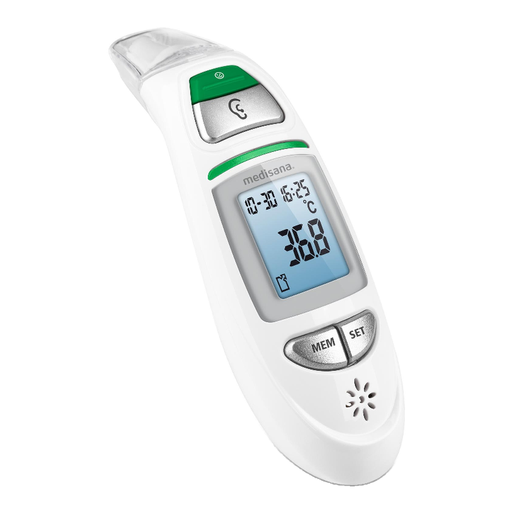
Why it suits this profile: A compact, contactless forehead thermometer with one measuring method and a clear digital display. Suitable for regular use at home by families with babies, children and adults.
The product information clearly states that this model is intended exclusively for forehead measurements. This reduces confusion between body and object modes.
Contactless infrared measurement, a memory function and readings to one decimal place.
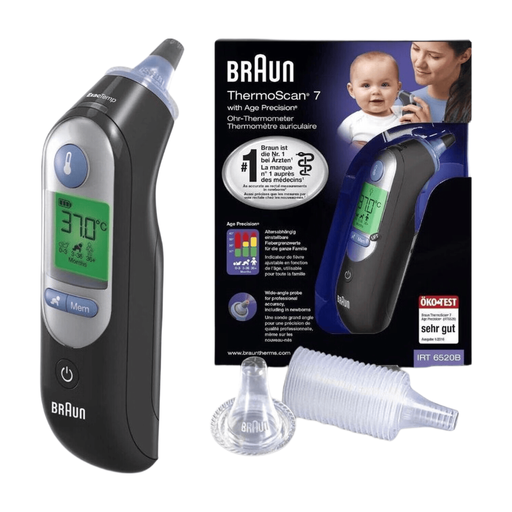
Why it suits this profile: This model is designed for families looking for an ear thermometer with age settings, positioning assistance and hygiene covers.
According to the product description, the ExacTemp indicator provides light and sound signals to assist with positioning. New hygiene covers help to limit contact between users.
Age settings for three groups, a colour-coded display and an illuminated readout.
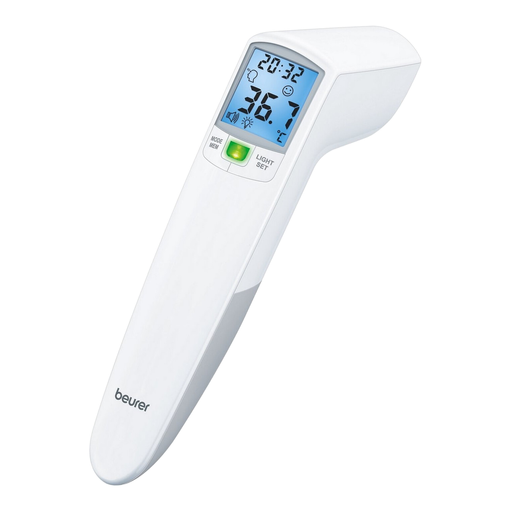
Why it suits this profile: A practical choice for households that want to check body temperature, surfaces and room temperature with one device.
The recommended measuring distance of 4–6 cm is stated in the product information. A distance signal helps users apply this setting consistently.
60 memory slots, object and room temperature modes, and a large illuminated display.
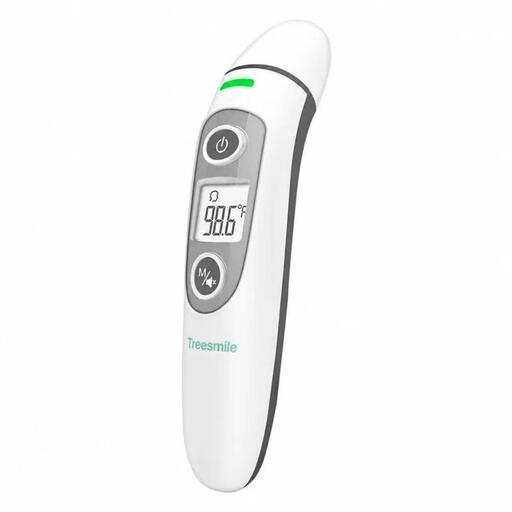
Why it suits this profile: For households that want to switch between ear, forehead and object measurements, for example for children, adults, milk or bath water.
The three measuring modes are described separately. This allows you to choose the appropriate mode for each situation instead of using one measuring type for everything.
Ear, forehead and object modes, 35 memory slots, a colour display and silent mode.
We have put together a complete, up-to-date list of products that fully meet these strict selection criteria and the applicable European safety regulations.
A digital pen-style thermometer is simple to use and often affordable. An infrared thermometer takes readings more quickly and can work without contact, which is useful for babies and sleeping children. However, distance, positioning and the surrounding environment can have a greater effect on the result. Choose based on how you intend to use it, not just on the displayed measuring speed.
Its lifespan depends on battery use, cleaning and storage. Keep the device dry, avoid dropping it and replace the batteries in good time. A model with disposable covers also involves recurring costs. Before buying, check which accessories are required and whether they are available.
Only if the product description explicitly states that it has an object mode. Do not use a forehead thermometer intended exclusively for body measurements to measure liquids. Even with a thermometer that has an object mode, the results are intended as a practical indication; always follow the safety instructions for food and bath water.
