
Same-day & Next-day Delivery

Quality Guaranteed

Unlock Your Welcome Offers: FREE Delivery | Up to 80% OFF | Free 30-day JoyPlus trial
Download the APP
A thermal food container is handy for soup, pasta, porridge or a cold meal on the go. However, a purchase can sometimes disappoint in practice. For example, packaging may promise long-lasting insulation, while the container does not fit properly in your work bag or is difficult to clean.
So do not focus only on the brand name or appearance. Pay particular attention to the capacity, closure, opening, material and official care instructions. That way, you can choose an insulated food container suited to your working day, school, travels or outdoor activities.
Brands often state how many hours food can remain hot or cold. According to Stanley's own information, the Artisan Thermal Food Jar keeps its contents hot for up to 13 hours. Stanley states that the Classic Legendary Food Jar keeps food hot for up to 20 hours and cold for up to 24 hours. Thermos lists heat retention of 6 to 8 hours or 9 hours for various models.
These times are not a guarantee for every situation. The starting temperature, amount of food, outdoor temperature and how often you open the lid all make a difference. Preheat or cool the container according to the manufacturer's instructions, and focus particularly on the time between filling it and eating.
A screw-top lid with a silicone sealing ring can be practical for soups and stews. However, check that the ring can be fitted correctly and that separate parts are easy to clean. A lid that is difficult to close is less suitable for carrying in a rucksack.
Also pay attention to the difference between leakproof, drip-proof and airtight in the product specifications. These terms may be used differently by different sellers. Test a new food flask with cold water before carrying it in a bag filled with soup.
A thermos food jar usually has a wide opening. This makes it easier to fill, eat from and clean. A standard thermal bottle is mainly designed for drinks and often has a narrow opening. For example, the 500 ml or 900 ml Mepal Insulated Bottle Ellipse is intended for hot or cold drinks, not as a replacement for a thermal container for soup.
If you are looking for a thermal lunch pot, look for a wide opening and a capacity that suits your portion size. A drinking bottle with a narrow neck is less suitable for pasta or thick soup.
A 500 ml food flask is suitable for one standard lunch portion, depending on the dish. 470 ml models are compact and often fit easily in a bag. A capacity of 710 ml gives you more room for a generous meal or an extra-large portion of soup. The 0.94-litre Stanley Classic is aimed at users who want to take plenty of food with them or spend a longer day outdoors.
Bear the weight in mind, too. According to the product specifications, the 500 ml Stanley Artisan weighs 710 grams. A 470 ml Thermos SK Food Jar is listed at 376 grams, while a 710 ml model weighs approximately 390 grams. Capacity is therefore not the only factor that determines portability.
Stainless steel, such as 18/8 or 18/10, is widely used for food containers. This designation tells you something about the composition of the steel, but not automatically about the insulation duration. Also look for double-wall vacuum insulation, as the construction between the walls is particularly important for retaining temperature.
An uncoated interior can help keep the taste of food neutral and makes the surface easier to inspect when cleaning. According to Thermos product information, various Stainless King models have an uncoated interior. Always follow the specific instructions for your chosen model; stainless steel is not automatically suitable for use in a microwave, freezer or on a hob.
A wide opening of around 6.5 cm or more is practical for soup, pasta and porridge. Check whether you can reach the bottom with a sponge or washing-up brush. Also see whether the lid and sealing ring can be cleaned separately.
Dishwasher guidance varies by model. According to the product information, the 500 ml Thermos THERMOcaf Food Jar is listed as dishwasher-safe. For the 710 ml Thermos Stainless King, hand washing is recommended. The information for the 500 ml Stanley Artisan is not consistent either: the description mentions dishwasher use, while a product specification states “not dishwasher-safe”. When information conflicts, hand washing is the safer option. Also check the current instructions supplied with the product.
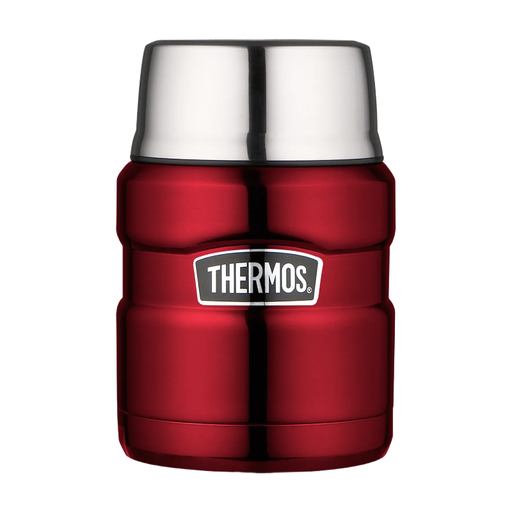
Why it suits this profile: The 470 ml capacity and weight of 376 grams make it suitable for a compact lunch, commuting and short trips.
The screw-top lid has an integrated seal and a spoon is included. Check the closure before carrying it, and wash the model by hand.
470 ml capacity, stainless steel, integrated spoon and a cylindrical design.
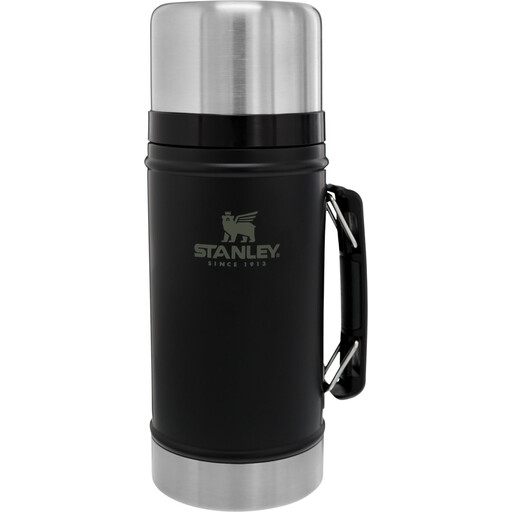
Why it suits this profile: The large capacity is ideal for long working days, camping or a meal spread across several eating occasions.
The wide opening makes filling and cleaning easier than with a narrow bottle. The product specifications state that it has a leakproof closure.
0.94-litre capacity, double-wall vacuum insulation, foldable handle and lid that doubles as a cup.
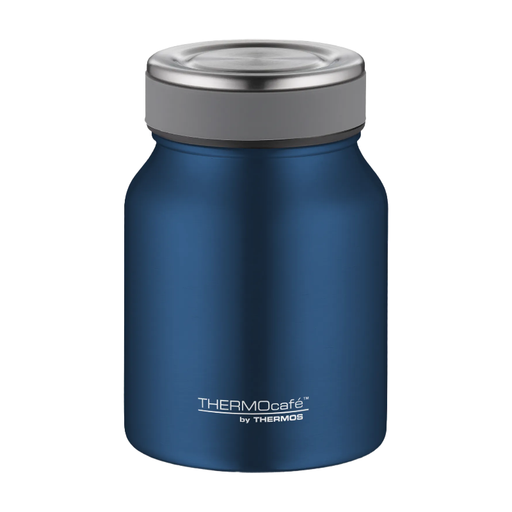
Why it suits this profile: This model is designed for one meal, soup or pasta at work, while travelling or during outdoor activities.
The 6.5 cm opening is suitable for thicker foods. The product information states that it has a silicone sealing ring and is dishwasher-safe.
500 ml capacity, stainless steel construction, wide opening and stated insulation of up to 9 hours for hot contents and 14 hours for cold contents, according to the product description.
We have put together a complete, up-to-date list of products that fully meet these strict selection criteria and the applicable European safety regulations.
The statutory guarantee in the European Union is at least two years. Any additional manufacturer's warranty, as stated for some Stanley or Thermos products, is separate from these statutory rights and may have its own terms and conditions.
That depends on the model and the conditions. Manufacturers state varying figures, such as 6 to 8, 9, 13 or 20 hours. These figures are based on the brand's own product information. For a reliable lunch, the most important things are to preheat the container properly, fill it completely and only open it when you are ready to eat.
For a light lunch, 470 ml is often sufficient. A 500 ml thermal food container is suitable for one standard portion of soup, pasta or porridge. Choose 710 ml or more if you want to take a large meal, an extra side dish or several portions with you.
Not always. Some models are dishwasher-safe, while others must be washed by hand. Check the product specifications and instructions for the exact model. When the information is contradictory, hand washing with warm water and mild washing-up liquid is a practical choice.
