
Maker of folded programme booklets
You want to know whether the printer can handle your paper for double-sided printing and whether the pages will be in the right order once folded.


Start by considering the size and fold of your programme booklet, then check whether the printer can handle your paper for double-sided printing. If you’re mainly printing text and may have long gaps between print runs, a monochrome laser printer is a sensible option. For regular colour printing, compare ink tank and colour laser printers. Neither option is automatically the most cost-effective for every print run.
You want to know whether the printer can handle your paper for double-sided printing and whether the pages will be in the right order once folded.
You print images or colour designs and want to match the printing method and consumables to your regular print runs.
You mainly print text for performances, and the printer may sit unused for long periods between production runs.
Suitable for: mainly text, no need for colour images and potentially long gaps between print runs.
Trade-off: you can’t print colour illustrations. When comparing the Brother HL-L2445DW, also factor in its separately replaceable drum.
Suitable for: regular colour print runs where you want to weigh the cost of refill ink against the purchase price.
Trade-off: an inkjet printer may use ink for cleaning when used infrequently. Stated bottle yields won’t necessarily predict how much ink your design will use.
Suitable for: programmes with colour when you also want to compare a toner printer for use with longer gaps between print runs.
Trade-off: compare the colour toners and other model-specific replaceable parts. Also check whether the paper you want to use is suitable for double-sided printing.
Suitable for: occasional colour printing when you want to compare a specific cartridge model for your small print run.
Trade-off: infrequent printing can use up ink during cleaning. Check whether each model supports automatic double-sided printing and is suitable for your booklet paper.
When choosing a printer for theatre programmes, the main trade-offs depend on your booklet paper, colour requirements, gaps between print runs and print run size.
| Consideration | What should you check? | Who should pay particular attention? |
|---|---|---|
| Booklet layout and paper | Check the paper size and type for double-sided printing, then make a folded test booklet. | If I make folded booklets, I want the pages to be in the right order and my paper to be suitable. Around 33% of consumers prioritise booklet finishing. |
| Colour and images | Decide whether you need colour throughout the booklet, then compare consumables for your design. | If I use images or a colour design, I want the printer to print them in colour. Around 25% of consumers prioritise colour images. |
| Use after a break | Estimate how often you print between performances and whether monochrome printing is sufficient. | If my printer sometimes sits unused for a long time, I want to account for the cost of occasional use. Around 25% of consumers prioritise occasional use. |
| Print run costs | For the same print run, compare paper, consumables and any replaceable parts. | If I print programmes regularly, I want to compare the costs for my own print run. Around 17% of consumers start by looking at ongoing consumable costs. |
Double-sided printing and suitable paper handling are separate requirements. A duplex specification doesn’t confirm that every thick or coated paper type will work.
Check the paper information for the exact model and feed tray you plan to use. Print a complete copy first and fold it to check the page order.
Allow for test sheets when printing a trial copy.
The consumables you need depend on factors such as print run size and colour coverage. Manufacturer yield figures won’t necessarily predict how much your design will use.
Compare printers for the same planned print run, including the consumables required for each model.
An inkjet printer may use ink for cleaning when used infrequently, so the gaps between performances are worth considering too.
Factor in how often you use the printer between print runs. If it may sit unused for long periods, compare a suitable toner printer as well.
The HL-L2445DW is a monochrome option for text, while the HL-L3240CDW is a colour model. Both specify double-sided A4 printing.
The PIXMA G3590 is an A4 colour ink tank model with scanning and copying functions and automatic double-sided printing.
The EcoTank ET-2950 is an A4 ink tank model worth comparing for regular colour printing.
The duplex function varies between model ranges within HP Smart Tank.
This selection includes printers for colour programmes and text-focused print jobs, with different printing methods and features. Check whether each model can handle your paper for double-sided printing.
 No image available
A colour printer with automatic double-sided printing for colour programmes.
The model specifies printing, scanning and copying functions, as well as a 35-page automatic document feeder.
 No image available
A monochrome laser printer for text-focused A4 programmes, with automatic double-sided printing.
Monochrome printing; Wi-Fi, Ethernet and USB are specified. Not suitable if you need colour images.
 No image available
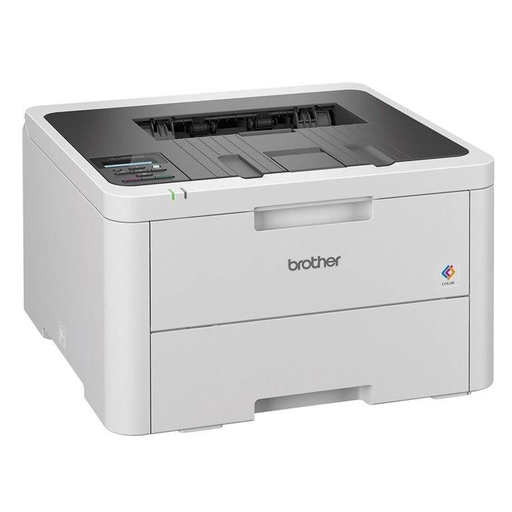
An A4 colour laser printer worth comparing for programmes with colour.
Wi-Fi and a resolution of 600 × 2400 dpi are specified. Before choosing, check whether this model can handle your paper for double-sided printing.
 No image available
An A4 colour inkjet printer with scanning and copying functions for home use.
USB 2.0 and a 60-sheet input capacity are specified. If you want to make folded booklets, check whether the model supports double-sided printing.
 No image available
A colour printer for A4 programmes; double-sided printing is specified.
Wi-Fi and Ethernet are specified. The product description states that it weighs more than 15 kg and recommends lifting it with two people, so bear this in mind when deciding where to put it.
Yes. Adobe Acrobat’s booklet feature arranges the pages in booklet order for folding and stapling. A printer with a duplex function can print on both sides; without automatic duplex, you’ll need to print in two passes and turn the paper over by hand. Check the fold and page order with a test copy first.
No. Automatic duplex doesn’t confirm that every paper type is suitable. For the exact model and feed tray you plan to use, check whether your cover paper can be handled for double-sided printing.
It varies by model. Canon specifies a user-replaceable maintenance cartridge for the PIXMA G3590; Brother specifies a separate drum for the HL-L2445DW and a drum and belt for the HL-L3240CDW. Check which consumables are required for your chosen model.
According to ACM ConsuWijzer, consumers making a standard online purchase generally have up to 14 days after delivery to change their mind, with some exceptions. If a product is faulty, you also have statutory rights; a manufacturer’s warranty doesn’t give the full picture.
According to information from the Dutch government, electrical or electronic equipment sold in the Netherlands must comply with the applicable European rules. Once the applicable requirements have been assessed, the manufacturer affixes the CE mark and draws up an EU declaration of conformity. Printers with Wi-Fi may also be subject to radio equipment rules.