
Dialogue performer in a fixed position
You want to record your lines and diction with minimal equipment, and can run a cable to a suitable input. Audio-Technica describes the PRO8HEx as a wired microphone with a fixed XLR cable.


If you mainly rehearse in one place and have a compatible microphone input, a wired headset microphone is a practical option. For scenes where you move around freely, a complete wireless setup is a better fit. If you also want to hear cues or recordings while recording, consider a headset with headphones and check the connections, power requirements and – for wireless use – which frequencies are available at your rehearsal venue.
You want to record your lines and diction with minimal equipment, and can run a cable to a suitable input. Audio-Technica describes the PRO8HEx as a wired microphone with a fixed XLR cable.
You want to move around the room during rehearsals without a microphone cable. You’ll need to consider compatibility between the microphone, transmitter and receiver, as well as which frequencies are available at your venue. The Dutch Authority for Digital Infrastructure (RDI) explains how availability varies by location.
You want to hear cues or a recording through headphones as well as your own voice. RØDE describes the NTH-100M as having separate connections for the microphone and headphone signals.
For a compact rehearsal setup, your choice mainly depends on how you move, where your voice is being recorded and whether you want to hear audio while speaking.
A good fit if: you rehearse in a fixed position and use a recorder or mixer with a compatible XLR microphone input.
Bear in mind: the cable limits how far you can move; the PRO8HEx is a microphone, not a pair of headphones.
A good fit if: scenes call for freedom of movement and you choose a compatible microphone, transmitter and receiver.
Bear in mind: you’ll need additional components and must choose a frequency band that’s suitable for your rehearsal venue.
A good fit if: you want to listen to cues or playback while recording.
Bear in mind: this style of headset is different from a small theatre headset microphone, and the two audio signals may need separate connections.
| What to consider | What to look for | Who should pay particular attention? |
|---|---|---|
| Clear dialogue | Check the pickup pattern and whether the boom keeps the capsule beside your mouth. Record both quiet and loud lines to assess its position. | If I want to assess my diction and lines clearly, intelligibility comes first. Around 33% of consumers say clear dialogue is their top priority. |
| Freedom of movement | Decide whether a cable will restrict your movement. For wireless use, the RDI recommends checking the frequency band and its availability at the exact venue. | When I perform scenes around the rehearsal room, I don’t want to be restricted by a microphone cable. Around 27% of consumers put freedom of movement first. |
| Monitoring | Check where the microphone signal goes in and where the headphone signal comes from. RØDE describes the NTH-100M as having a splitter with separate 3.5mm connections. | If I want to hear cues or a recording alongside my own voice, I also need a suitable monitoring path. Around 20% of consumers say monitoring is their top priority. |
| Connections and setup | Compare your recorder or mixer input with the connector and power requirements of the exact model variant. Shure describes a separate preamp and phantom power for wired use of the PGA31. | When I want to keep using my existing equipment, I want to know in advance which connections and extra components I’ll need. Around 20% of consumers put connectivity and a compact setup first. |
The Shure PGA31 has a TA4F connector for compatible Shure bodypacks. The microphone itself doesn’t include a transmitter or receiver.
Compare the connections and full list of components with the equipment you already use. For wired use, Shure describes a separate inline preamp and phantom power.
Systems may be available in different frequency bands. According to the RDI, not all listed UHF frequencies are available at every location in the Netherlands.
Check the frequency band of the exact system and consult the RDI information for your rehearsal venue.
A standalone headset microphone won’t provide headphone audio by itself. With a headset that does both, the microphone and headphone signals may also need separate connections.
Decide separately how you’ll record and how you’ll listen to cues or recordings, then check the full connection setup before choosing a model.
The PRO8HEx is a wired headset microphone for a setup with a compatible XLR input.
The PGA31 is a standalone headset microphone for use with a compatible Shure bodypack setup.
The NTH-100M combines wired headphones with a detachable microphone.
The ME 3 is a standalone headset microphone for compatible wireless systems; the EW-D ME3 SET is a separate system.
The 4088 is a compact directional headset microphone for speech and stage use.
These wired headsets combine a microphone with headphones. Check that the 3.5mm or USB connection is compatible with your recording equipment.
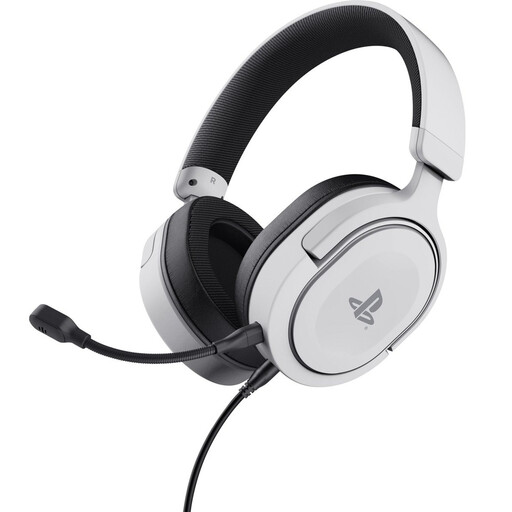 No image available
A wired headset with a microphone and headphones for anyone looking for both functions in one device.
The product description mentions a detachable microphone and a 1.2 m cable with a 3.5mm connection. Compatibility is listed for PS4 and PS5 controllers and other devices with a 3.5mm connection.
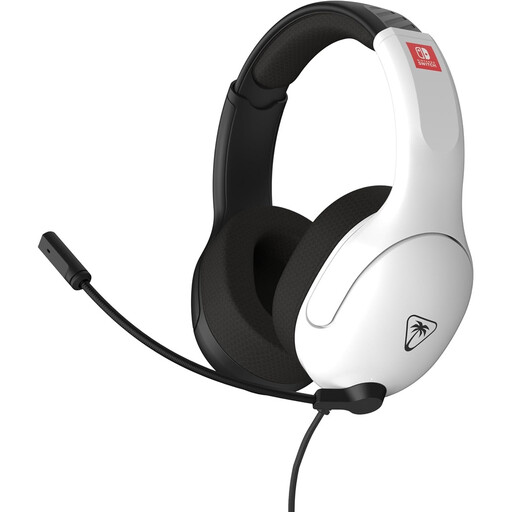 No image available
A wired headset for speaking and listening through one wearable device.
The description mentions a 3.5mm connection and a bidirectional microphone that flips up to mute. The product name lists compatibility with Nintendo Switch, Switch Lite and Switch OLED.
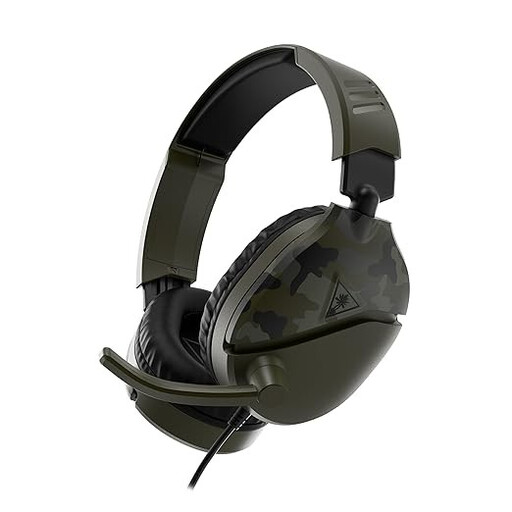 No image available
A wired headset with a microphone and headphones for a setup with a compatible 3.5mm connection.
The product description mentions a flip-to-mute microphone, adjustable headband and microphone boom. The product name lists PC, PS5, Switch 2 and Xbox Series X|S.
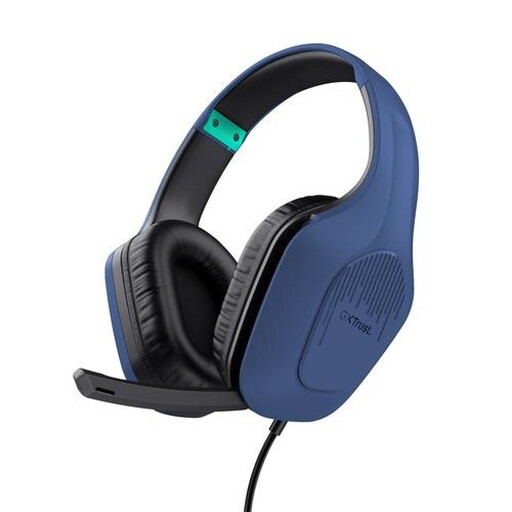 No image available
A wired headset for anyone who wants to combine speaking and listening through one device.
The product description mentions a 2 m cable, a 3.5mm connection and a microphone with mute control. Check that the connection is compatible with your recorder or mixer.
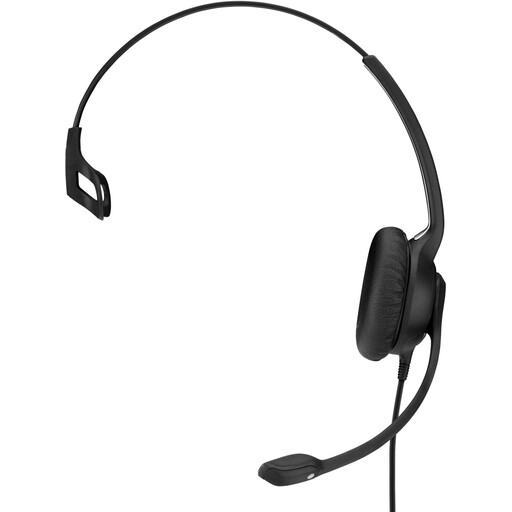 No image available
A wired headset with a microphone and headphones for a computer setup with USB.
The product description mentions USB 2.0, a 2.9 m cable and an adjustable microphone boom. Check that your recording equipment supports the connection.
Not always: the RDI lists frequencies that can be used without a licence under certain conditions, as well as bands that require one. Check the frequency and transmission power of the exact system; not all listed frequencies are available at every location. The RDI provides the Microphone Bands app for this purpose.
Not as a standard direct XLR connection: the PGA31 has a TA4F connector for compatible Shure bodypacks. For wired use, Shure describes a separate inline preamp and a mixer that supplies phantom power.
For the SM35, Shure recommends positioning the capsule at the corner of your mouth, rather than directly in front of it, to reduce plosive sounds. For other models, follow their own positioning instructions and check the result with a recording.
RØDE describes a splitter that sends the microphone and headphone signals to separate 3.5mm connections. To connect the microphone to XLR, RØDE recommends a VXLR PRO or VXLR+ to supply the required plug-in power; also check that your equipment has a suitable headphone output.
For many distance purchases from a business, you have a 14-day cooling-off period, subject to exceptions, according to the Dutch government. Check the terms and any exceptions that apply to your particular purchase.