Who is this for?

Performer in a shared recording space

You want to record your own lines clearly while others are speaking. Capsule position and polar pattern are important factors when it comes to crosstalk; Shure describes the SM35 as a cardioid headset microphone.

Performer who moves around during rehearsals

You want to maintain a consistent distance between your mouth and the microphone while moving. For wireless use, you’ll also need a compatible transmitter and receiver; the Netherlands Authority for Digital Infrastructure (RDI) notes that usable frequencies can vary by location.

Performer practising lines on a computer

You want to record and listen back without setting up separate stage equipment. Check the connection on your chosen headset and test how the recording sounds with other performers in the same room.

What should you look for?

Directional wired stage headset

Suitable if: you’re recording alongside others and have a suitable audio interface or mixing desk.

The trade-off: microphone position affects the sound; also check the connector and power requirements for the exact version.

Omnidirectional stage headset

Suitable if: you’d prefer a microphone that’s less sensitive to positioning and its connection is compatible with your recording equipment.

The trade-off: an omnidirectional capsule handles background sound differently from a directional model; the RØDE HS2 requires a 3.5mm microphone input with plug-in power for direct connection.

Wired USB computer headset

Suitable if: you mainly practise on your own using a computer and want to listen back through the same headset.

The trade-off: claims about call quality don’t prove how well a headset captures overlapping theatre dialogue; test a recording in your rehearsal space.

Wireless stage headset

Suitable if: performers need to move freely around the stage and you’re using a compatible transmitter and receiver.

The trade-off: a standalone headset microphone isn’t a complete wireless system. The RDI notes that available frequencies vary by location and that some bands require a licence.

What to consider What should you check? Who is this important for?
Crosstalk Compare the polar pattern and position by your mouth; test with performers in their actual positions. If others are speaking at the same time, I want to be able to make out my own lines clearly. Around 33% of consumers say limiting crosstalk is their main reason for buying.
Freedom of movement Check the fit and cable routing. If you’re using a wireless system, check the complete setup and which frequencies are available locally with the RDI. If I need to move around during rehearsals, I want the microphone to stay securely in place. Around 27% of consumers say freedom of movement is their top priority.
Vocal sound and articulation Listen to quiet words, loud passages and plosive sounds; don’t position the capsule directly in front of your mouth. If the sound of my voice and clear consonants are my priorities, I want to be able to assess them in the recording. Around 20% of consumers prioritise vocal reproduction.
Computer recording Check whether the exact version uses USB-A or USB-C, select the microphone input in your software and test a recording with background speech. If I want to practise and listen back on my computer, I need a simple connection. Around 20% of consumers say this is their main need.

Common selection mistakes

  • Assuming a standalone stage headset is a complete recording or wireless system

    A microphone can’t record on its own. The connection and power requirements vary by version; for wireless use, you’ll also need a compatible transmitter and receiver.

    Depending on the connection you choose, you may need extra equipment, such as a suitable interface or power supply. A wireless setup requires a compatible transmitter and receiver.

    First, note which inputs and equipment you already have, and whether you want a wired or wireless setup. Then check the connector type and system compatibility.

  • Assuming ‘noise-cancelling’ means other performers won’t be picked up

    The computer headsets mentioned are described for calls and collaboration. That doesn’t tell you how much overlapping theatre dialogue they’ll capture in your rehearsal space.

    Make a test recording with several performers speaking at once and check how clearly you can make out your own lines.

  • Choosing a wireless frequency based only on a national overview

    The RDI says that usable frequencies vary by location; some frequency bands require a licence.

    Before buying, check the system band you’ve chosen for your rehearsal venue using the information provided by the RDI.

Brands to consider

Shure

The SM35 is a stage headset microphone available in different versions to suit your connection and equipment.

  • Shure specifies a cardioid capsule and adjustable boom for the SM35.
  • The TA4F and XLR versions have different connections and system requirements; these specifications aren’t an independent recording comparison.

Audio-Technica

The wired PRO8HEx is an option for a rehearsal setup with a compatible XLR connection.

  • Audio-Technica specifies a hypercardioid dynamic capsule, adjustable boom and fixed cable with a 3-pin XLR connector for this model.
  • The wired version isn’t a USB headset; check that your recording equipment supports the connection.

RØDE

The HS2 is an omnidirectional headset microphone for those who prioritise positioning and vocal reproduction differently from maximum directionality.

  • RØDE specifies an adjustable boom and a 3.5mm TRS output.
  • RØDE says that direct connection requires a microphone input with plug-in power. The microphone mentioned isn’t a complete headset or wireless system.

Logitech

The H390 is a wired computer headset option for practising on your own and listening back.

  • Logitech lists a USB connection, in-line controls and a microphone with noise-cancelling technology for calls.
  • This description for calls doesn’t show how much overlapping theatre dialogue is filtered out in a shared room; check whether the version uses USB-A or USB-C.

Jabra

The Evolve2 30 SE is a computer headset option for recording and listening through a work computer.

  • Jabra describes the product range as having two microphones and sound-isolating ear cushions for calls.
  • There are different speaker, platform and USB versions; claims about calls aren’t an independent test with theatre dialogue and other performers.

Headsets at Joybuy

The options below are headsets with microphones for computer use or listening through a headset. Check the connection for each version and test a recording with other performers in the same room.
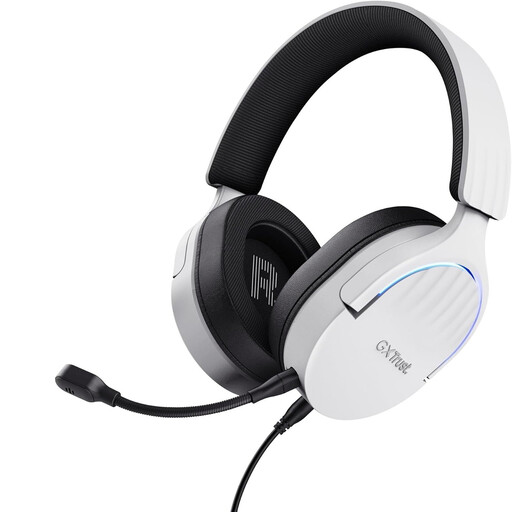
Trust GXT 490 FAYZO wired gaming headset, USB Type-A, white

Trust GXT 490 FAYZO

A wired headset option for practising and listening back on a computer.

Wired, USB Type-A, white.

View at Joybuy

Jabra Evolve2 30 SE headset

Jabra Evolve2 30 SE

A headset option for making computer recordings and listening back through the same headset; check the connection on your chosen version.

View at Joybuy
Logitech PC 960 wired USB headset

Logitech PC 960

A wired computer headset to compare if you’re recording and listening back to your lines on a computer.

Wired USB headset.

View at Joybuy

HyperX Cloud III S wireless gaming headset with detachable boom microphone

HyperX Cloud III S

A wireless headset with a microphone to consider if you also want to listen through the same headset.

Wireless gaming headset with detachable boom microphone.

View at Joybuy

Trust Ayda wired headset with USB Type-A

Trust Ayda

A wired headset option for computer use; check that the connection is compatible with your recording equipment.

Wired headset with USB Type-A.

View at Joybuy

Frequently asked questions

Can I connect any headset microphone directly to my laptop?

No, it depends on the connection and version. The Logitech H390 uses USB, the Audio-Technica PRO8HEx has a 3-pin XLR connection, and the RØDE HS2 needs a 3.5mm microphone input with plug-in power for direct connection. Check the input on your laptop or recording equipment before buying.

Where should I position the microphone during dialogue?

Start by positioning it near the corner of your mouth, not directly in front, and test it with the lines you’ll be performing. Shure’s SM35 guide recommends positioning it by the corner of the mouth and mentions using a windscreen to reduce plosive and breath noise; the best position varies by model and voice.

Do I need a licence for a wireless rehearsal microphone in the Netherlands?

Not for every system. The RDI publishes frequency bands that can be used wirelessly without a licence, but usable frequencies vary by location and some other bands require a licence. Check your chosen system band and rehearsal venue with the RDI.

What if the headset breaks sooner than expected during normal use?

According to ACM ConsuWijzer, if a product is faulty, the seller must offer a solution, depending on the circumstances, such as a repair or replacement. A manufacturer’s warranty doesn’t replace your statutory rights; what you could reasonably expect from the product is also taken into account.

Can a theatre group keep or share recordings of identifiable performers?

If an organisation processes personal data, the Dutch Data Protection Authority says it must have an appropriate legal basis. Consent is one possible legal basis, but it isn’t automatically the only one. Agree in advance on why recordings are being made and shared; whether the GDPR applies to a particular personal rehearsal recording depends on the circumstances.
