
Ensemble performer recording from a fixed position
Wants to assess several voices in the same scene without moving the recorder. Microphone direction and the acoustics of the performance space will determine what a test recording needs to reveal.


The right choice depends mainly on where the performers are standing. If voices come from all around the recorder, a wide recording angle is worth considering; if they are mostly in front of it, a more directional recording may be suitable. Also check how easy it is to find scenes again, whether the recorder can be placed securely, and whether it has enough storage and power. No microphone setting can guarantee that quiet lines will be clear in your rehearsal space, so make a test recording.
Wants to assess several voices in the same scene without moving the recorder. Microphone direction and the acoustics of the performance space will determine what a test recording needs to reveal.
Wants to find short passages and cues quickly and listen to them again. So, as well as the recording itself, look at search, repeat and playback speed features.
Leaves the recorder in one place during longer rehearsals and checks the storage, power and stability of its position beforehand.
First, compare the recording angle with the performers’ positions. Then consider playback features and check that the setup, storage and power will suit your rehearsal.
| What to consider | What should you look for? | Who should pay particular attention? |
|---|---|---|
| Recording several voices | Compare a wide recording angle with a directional one, and test a quiet line from every performance position. | If I want to assess performers from one fixed position, I also check how much room noise and reverberation are picked up; around 33% of consumers prioritise being able to hear every voice. |
| Fixed positioning and operation | Check that the recorder can stand securely and that you can operate the record button without disrupting the scene. | If you would rather not touch the recorder during a scene, consider its position and any remote controls; around 27% of consumers prioritise an undisturbed, fixed setup. |
| Finding scenes and cues again | Check whether the exact model offers repeat playback, markers, search skips or adjustable playback speed. | If I want to practise short lines again, repeat playback and quick navigation are important; around 20% of consumers prioritise targeted playback. |
| Recording a full rehearsal | Check the storage, remaining power and recording settings before the session starts. | If you do not want to interrupt the rehearsal to sort out storage or power, check both beforehand; around 20% of consumers prioritise uninterrupted recording. |
A narrower recording angle may pick up performers outside its recording axis less clearly. So, if performers move around, their changing positions matter when choosing a setting.
Make a test recording from the fixed position, capturing each performance position, before using a directional setting as your default.
Recording format and room acoustics or positioning answer different questions. Tascam describes the recording mode on the DR-05XP, while Zoom warns that reflections from a table can affect recordings made with the H1essential.
Assess how clear the voices sound from the actual recording position, then choose your preferred file format.
Storage and power requirements vary by recorder. With the Zoom H1essential, for example, you need to check that you have suitable microSD recording media and a power source; Philips says the DVT4115 has built-in storage.
Before the rehearsal, check which memory card, power source or tripod you need and what comes with your chosen model.
The DR-05XP is worth comparing when performers are positioned around a fixed recording point.
The H1essential is an option to compare for a fixed tripod setup and rehearsals where markers or playback speed could be useful.
The VoiceTracer DVT4115 is worth considering if remote operation and built-in storage are important to you.
The LS-P5 is worth considering if you want to adjust the recording angle to suit the performers’ positions.
The ICD-UX570 series is worth considering if you mainly want to listen to dialogue and repeat passages.
These Joybuy products are voice and AI recorders to compare for recording and playback during rehearsals. Make a test recording from your fixed position to check whether the voices are clear enough to assess.
 No image available
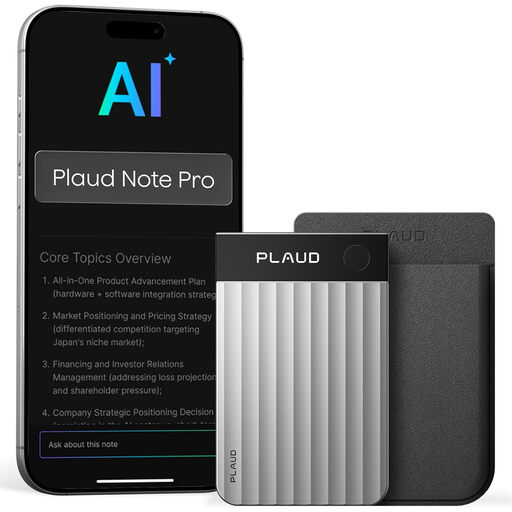
Make a test recording from your regular rehearsal position to see whether this model is suitable for your dialogue.
The product name lists the Silver variant.
 No image available
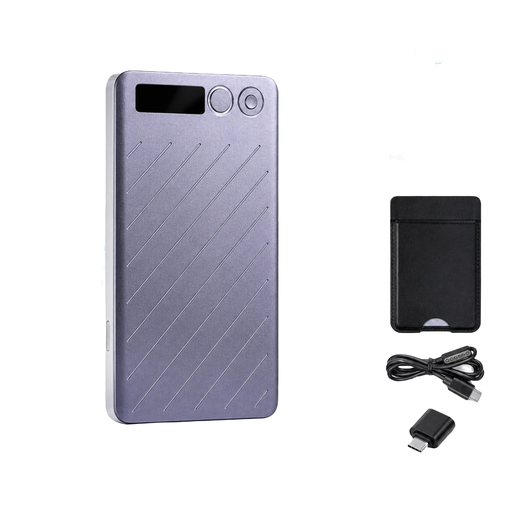
Make a test recording from the fixed performance position and listen back before choosing this model for dialogue.
The product name lists 64 GB of storage.
 No image available
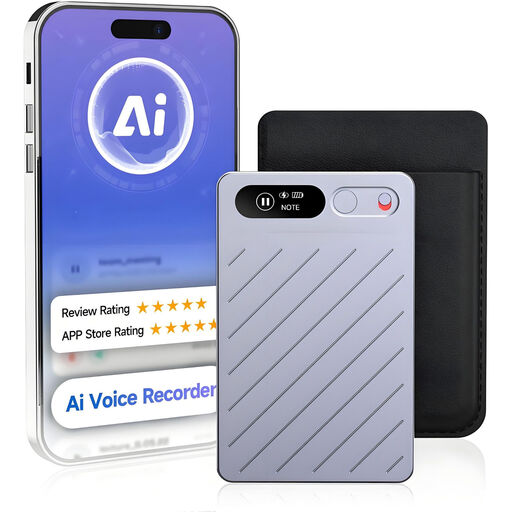
Test the recording from the position where the device will be during the rehearsal, and check whether the dialogue is clear when played back.
The product name lists 64 GB of storage, with transcription and summarisation in 118 languages.
 No image available
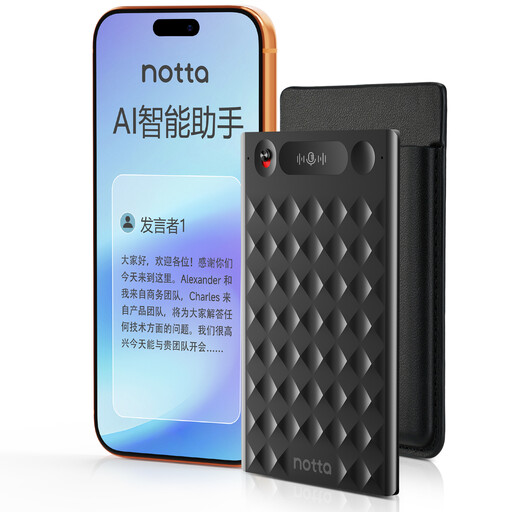
Compare this model using a test recording from the fixed position; the listed features alone do not tell you how clear voices will sound in your space.
The product name lists 32 GB of storage and a 30-hour battery life.
Place the recorder in the intended fixed position and ask performers to speak both quietly and loudly from where they will actually be standing. Compare a wide setting with a more directional one if the model offers both. Zoom warns that placing an H1essential directly on a table can result in less clear recordings because of reflections, and recommends using a tripod, for example.
Check the power and storage, make a short test recording and listen back before the scene starts. Zoom specifies suitable microSD recording media and recommends testing the card with the H1essential. Philips advises backing up recordings made with the VoiceTracer and formatting the device rather than using a computer.
Check whether you need to buy a memory card, batteries or a tripod for your chosen model, and what is actually included. According to the Dutch government, there is no fixed statutory warranty period in the Netherlands; if a product is faulty, your rights depend on what you could reasonably expect from it. The retailer is your point of contact.
A recording in which someone is recognisable may contain personal data. According to the Dutch Data Protection Authority, a theatre organisation processing such recordings must assess which GDPR legal basis applies; consent is one possible basis, but not automatically the only one. Tell the people concerned why you are recording them, and assess sharing or publishing separately. Whether a strictly personal recording falls under the household exemption depends on who makes the recording and with whom it is shared.