
Listening beside a sleeping room-mate
You want to follow conversations without using a speaker. Keep the volume in mind and check whether anyone else can hear the audio.


If you listen on your side, start with compact in-ear headphones and focus on the fit. For listening upright from a phone or laptop, closed-back Bluetooth over-ear headphones may be a better fit. For TV audio, check the connection before choosing a transmitter set. And if you want to speak, check the microphone: according to soundcore, the Sleep A20 has no microphone for calls. Noise cancelling alone doesn’t tell you how much sound your room-mate can hear, so consider the volume too and check how audible it is in the room.
You want to follow conversations without using a speaker. Keep the volume in mind and check whether anyone else can hear the audio.
You listen lying down from a phone and need a fit that stays comfortable with your ear against the pillow. soundcore designed the Sleep A20 for side sleepers.
You want speech to be easy to understand, so check the TV connection or, if you need to speak, the microphone on the exact model.
First decide whether you only want to listen or also need to speak, and whether your audio is coming from a phone, laptop or TV. Then consider the fit and how well you can hear the audio in the position you’ll be listening in.
| Concern | What to look for when buying | Who it matters most to |
|---|---|---|
| Not disturbing your room-mate | Consider the fit and volume, and check whether the audio can be heard elsewhere in the room. | I want to listen without disturbing my room-mate. This is the top priority for around 31% of consumers. |
| Comfort in bed | Try the earbuds in your usual listening position; the outer ear may press against the pillow. | When I listen on my side, I want my headphones to feel comfortable with my ear against the pillow. Comfort in bed is the top priority for around 25% of consumers. |
| Following spoken dialogue | Compare the sound with a recording you know, at a comfortable volume. | I want to follow spoken dialogue, even when voices are quiet or vary in volume. Clear speech is the top priority for around 19% of consumers. |
| Being able to speak | Check that the exact model has a microphone that works with the calling app you use. According to soundcore, the Sleep A20 has no microphone for calls. | If I want to join a live conversation, I also need to be able to speak through my headphones. This is the top concern for around 13% of consumers who prioritise being able to take part. |
| Connecting to the audio source | Check Bluetooth audio or the available TV output. For video, it’s also worth checking that the picture and wireless audio stay in sync. | I want to know in advance whether my phone, laptop or TV can connect to the headphones. Source compatibility is the main concern for around 12% of consumers. |
Active noise cancelling reduces the noise you hear, but it doesn’t tell you how much of your audio can be heard in the room.
Assess the fit and volume separately, and check whether anyone else can hear the sound in the room.
According to soundcore, the Sleep A20 has no microphone for calls, even though it can stream audio.
Before choosing a model, decide whether you only want to listen or also want to speak through the headphones.
If you want to speak, you may need another device with a microphone.
The Philips SHC5000BK/10 connects its base station to the TV with a 3.5mm cable; available outputs vary between TVs.
Check your TV’s connections and audio settings before choosing a set.
The Sleep A20 is designed for listening and sleeping on your side, when a compact fit in bed is important.
The WH-CH720N is a closed-back Bluetooth over-ear model for listening from a phone or laptop, particularly when you’re sitting upright.
The RS 120-W is designed for TV audio via its own transmitter.
The SHC5000BK/10 is an over-ear TV headphone set with a base station.
The Tune 770NC is a Bluetooth over-ear alternative for listening from mobile devices.
These wireless headphones and earbuds are options to compare for listening to conversations from a Bluetooth source. Check whether each model’s fit and any features for speaking suit the way you plan to use it.
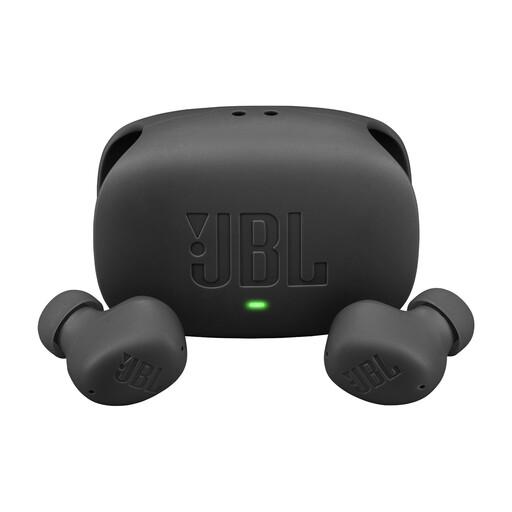 No image available
An option to compare for wireless listening to conversations. Check that the connection and any microphone features suit your audio source and whether you want to speak.
 No image available
An over-ear option to compare if you listen sitting upright and also want to be able to speak. The product name lists noise cancelling, 60 hours of battery life, fast charging and 4 microphones.
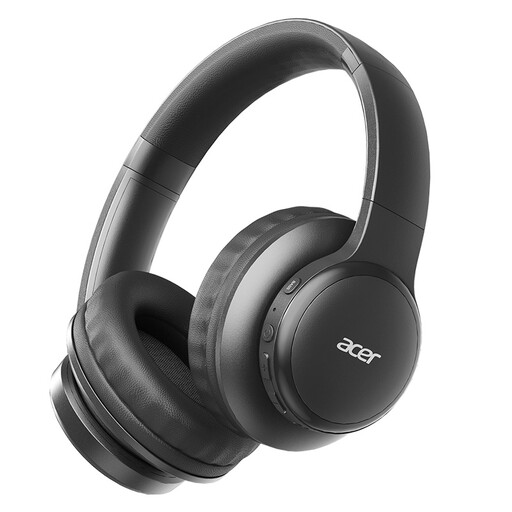 No image available
An option to compare if you want to use Bluetooth audio and be able to speak. The product name lists Bluetooth 5.3, HD voice calls and a USB-C charging port.
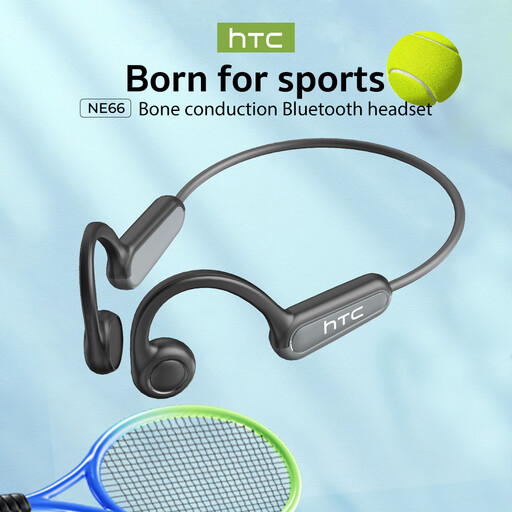 No image available
A wireless option to compare for conversations from a Bluetooth source. The product name lists Bluetooth 5.4; check that the design and controls suit listening in bed.
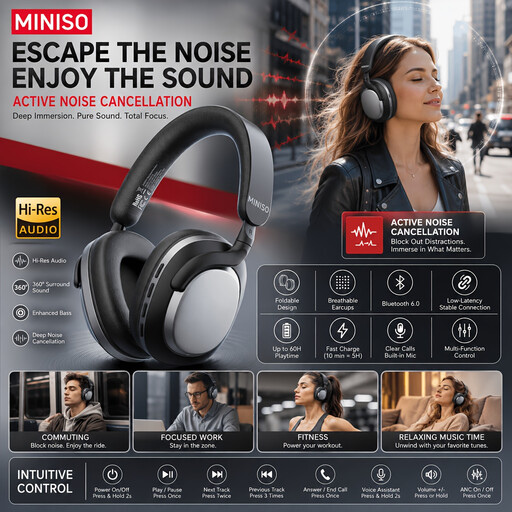 No image available
An over-ear option to compare for wireless listening. The product name lists noise cancelling and 24 hours of battery life; noise cancelling alone doesn’t tell you how much sound your room-mate can hear.
Check whether the exact model has a microphone for calls. According to soundcore, the Sleep A20 doesn’t, so don’t choose this model if you want to speak through the earbuds. It can stream Bluetooth audio if you only want to listen.
First check whether your TV supports Bluetooth audio or has a suitable audio output. Philips says the SHC5000BK/10 connects to the TV using the included 3.5mm cable via its base station.
Try the available tip sizes and check how the earbuds fit in your usual listening position. For pressure from the Sleep A20, soundcore suggests trying a different tip size or pillow; according to the manufacturer, breathable tips reduce sound isolation.
Keep the volume low and take breaks. The World Health Organization gives an average of 80 dB for up to 40 hours per week as an example within its safe listening guideline; at higher levels, the recommended time is shorter. This is health advice, not a legal volume limit for every buyer.
ACM ConsuWijzer says you generally have 14 days to change your mind after delivery when you buy a product online. Exceptions may apply, for example to hygiene products that have been unsealed. The seller is also responsible for the legal guarantee if the product doesn’t meet what you can reasonably expect under normal use.