
Vandaag of morgen in huis

Kwaliteit gegarandeerd

Welkomstaanbiedingen ontgrendelen: GRATIS bezorging | Tot 80% korting | Gratis 30 dagen JoyPlus-proefperiode
Download de app
A The North Face women’s rain jacket can be a sensible choice for showers, walks and trips in the Netherlands. But a well-known brand name doesn’t automatically mean a jacket is right for you. Focus on its construction, fit and care requirements. A jacket that looks technical at first glance may feel too warm in practice, leave too little room for layers or become less water-repellent over time.
Some jackets have only a finish that temporarily makes raindrops bead on the surface. That’s different from a membrane, laminated fabric or fully sealed seams. Check whether the product description mentions waterproof fabric, taped or sealed seams and an adjustable hood.
A DWR (Durable Water-Repellent) treatment may become less effective after frequent wear and washing. According to the Quest Jacket product description, its water-repellent finish can be renewed. That doesn’t mean every care method is suitable, so always follow the care label.
The term women’s breathable rain jacket usually refers to fabric designed to help moisture escape as vapour. How well it works also depends on your activity level, the temperature, your clothing layers and the ventilation options. A fully zipped-up jacket can still feel warm on a brisk walk.
A mesh lining, zips and well-chosen layers can make it more comfortable to wear. Under a waterproof women’s jacket, it’s better to wear several thin layers than one thick cotton jumper that holds on to moisture.
A jacket for everyday wear can have a relatively close fit. For hiking, you’ll need extra room for a fleece or lightweight insulating layer. Don’t just look at XS, S, M or L: check the chest, sleeve length and jacket length too. For example, the Quest Jacket size guide gives a chest measurement of 90–96 cm and a length of around 80–81 cm for size M.
If possible, try the jacket on with the clothes you plan to wear underneath. Make sure you can move your arms freely and that the hem doesn’t ride up when you’re wearing a rucksack.
For changeable weather in the Netherlands, fully sealed seams and an adjustable hood are practical features to look for. A jacket with a high hydrostatic head rating may suit prolonged rain, but only compare figures measured using the same method. If no technical rating is given, base your choice on the specific product description rather than words such as “stormproof” or “all-weather” alone.
A women’s windproof jacket works better when the hood, cuffs and hem fit closely. Elasticated cuffs help keep wind from getting in around your wrists. An adjustable hem can help reduce draughts from below. Zipped pockets are also handy for keeping your keys, phone or travel card secure when cycling or walking.
According to the product information, the Quest Jacket is made from 100% polyester, with a 2L DryVent construction and mesh lining. The product description says the fabric is waterproof, windproof and breathable. These are product specifications from the brand and product information supplied; how the jacket performs in practice may vary depending on the activity and weather conditions.
A fleece isn’t a rain jacket, but it can work as a mid-layer. The The North Face women’s fleece, model code NF0A8DZY, is made from 100% polyester fleece and has a full-length zip, rib-knit cuffs and a zipped pocket. Pair a layer like this with a hardshell when you need warmth as well as rain protection.
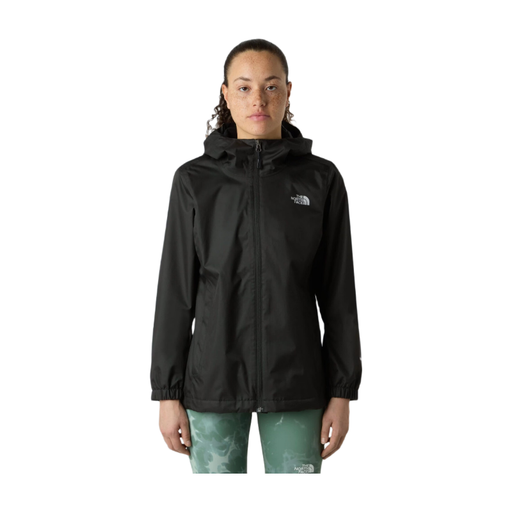
Why it suits this need: A black women’s rain jacket in size XS for everyday wear, short walks and trips when you need a compact outer layer.
The product description mentions sealed seams, an adjustable hood and elasticated cuffs. Do check that XS leaves enough room for a mid-layer.
2L DryVent according to the product information, a mesh lining and two zipped pockets.
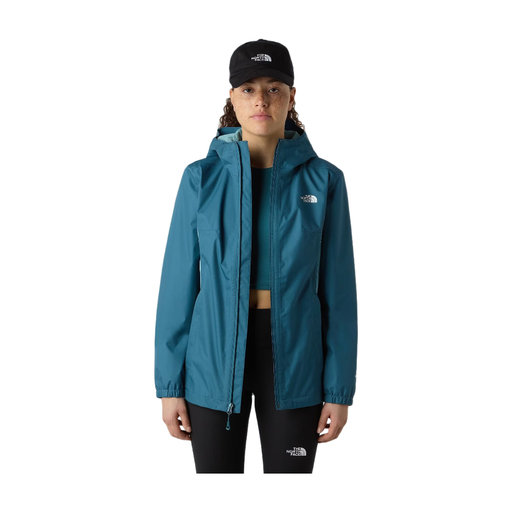
Why it suits this need: For anyone looking for a technical outer layer that can be worn on its own or as part of a compatible Triclimate system.
The description mentions a concealed hood adjustment, adjustable cuffs and a zip-in system. Check that it’s compatible with your other jacket before buying.
DryVent fabric according to the product information, suitable for wearing on its own or layering.
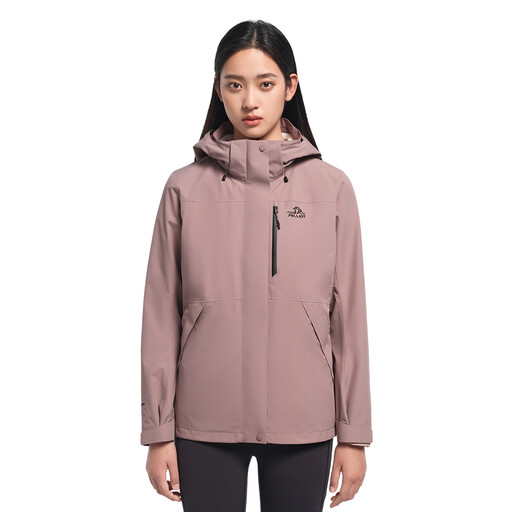
Why it suits this need: A good option for camping, trekking and commuting when you want a combination of an outer layer and warmth.
The seller mentions an adjustable hood, hem and cuffs. The technical figures quoted are brand claims, so compare them carefully with the measurement method and your intended use.
3-in-1 construction according to the product description, with an inner layer that can also be worn separately.
We’ve put together a complete, up-to-date list of products that meet these strict selection criteria and the applicable European safety regulations.
Wash a women’s hiking jacket according to the care label and fasten the zips before putting it in the washing machine. Don’t use fabric softener if the product instructions advise against it, as it can affect the performance of technical fabrics. Let your rain jacket dry completely before storing it, and don’t leave it damp in a bag for long periods.
It’s not possible to predict exactly how long a jacket will last. Frequent cycling, rubbing against a rucksack, washing and exposure to dirt can all affect its performance. Check the seams, zips, coating and hood regularly. If water no longer beads on the outer fabric, it may be worth treating the jacket with a suitable product, following the care label.
According to the product description, the Quest Jacket is designed for hiking and features 2L DryVent fabric, a mesh lining, an adjustable hood and sealed seams. Fit and clothing layers still matter during strenuous activity, as breathability varies depending on the conditions.
Measure your chest and compare it with the size guide for the specific model. For example, size M in the Quest Jacket corresponds to a chest measurement of 90–96 cm. If you plan to wear a fleece or insulating layer, check that the jacket leaves enough room to move.
Not without checking the care label first. The right temperature and drying method vary by material and model. Follow the manufacturer’s instructions to help preserve the fit, coating and water-repellent properties.
