
Vandaag of morgen in huis

Kwaliteit gegarandeerd

Welkomstaanbiedingen ontgrendelen: GRATIS bezorging | Tot 80% korting | Gratis 30 dagen JoyPlus-proefperiode
Download de app
A good outdoor jacket is an essential piece of kit. Whether you're hiking through the hills, going for a bike ride, or simply walking the dog in unpredictable weather, you want to stay dry and comfortable. A The North Face jacket for women is a popular choice for many, but the range of options can be overwhelming. Which model is right for your activities?
This article serves as a practical guide. We'll cut through the marketing jargon and focus on the specifications that truly matter. This way, we can help you make an informed decision from the various jackets The North Face has to offer.
Before we look at specific models, here are a few key points to help you choose the right women's outdoor jacket.
An effective outdoor outfit works according to the layering system. This system typically consists of three layers:
Consider what function your new jacket needs to fulfil. Are you looking for a warm mid-layer or a protective outer layer? Many The North Face jackets are designed to be combined.
There is an important distinction between water-resistant and waterproof. A water-resistant jacket can handle a light shower but will leak during persistent rain. A waterproof jacket is designed to keep you dry for extended periods.
Look for materials like DryVent, a technology used by The North Face. According to the manufacturer, this material is waterproof, windproof, and breathable. A DWR (Durable Water-Repellent) coating is an additional finish that causes water droplets to roll off the fabric.
Insulated jackets are meant to keep you warm. The filling can be either down or synthetic material. Synthetic insulation, as used in many The North Face jackets, has the significant advantage of retaining its insulating properties even when damp. This makes it a practical choice for changeable climates.
Based on functionality and specifications, we have selected three different types of jackets.
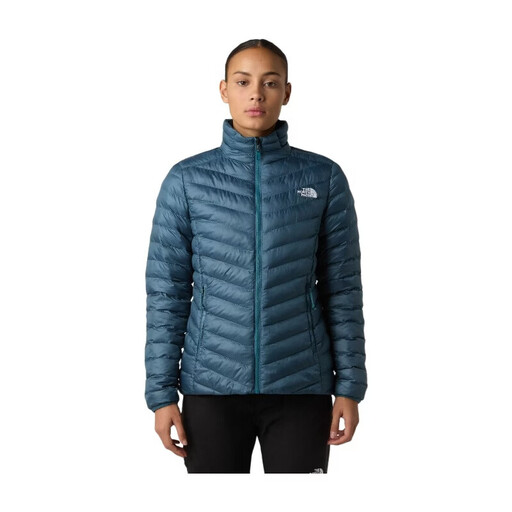
Why this model stands out: A lightweight, insulating mid-layer that packs down easily for travel.
Product Specifications:
Who is this jacket for? This is an excellent choice for the active hiker or traveller looking for a versatile and packable The North Face women's hiking jacket. Perfect as a standalone jacket on cool, dry days or as a warm mid-layer under a waterproof shell.
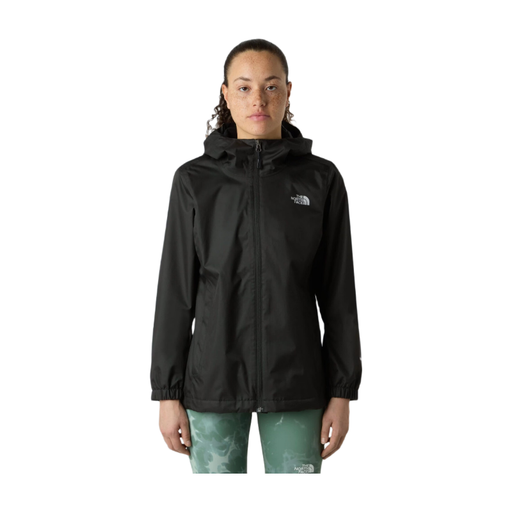
Why this model stands out: A reliable and fully waterproof shell jacket, designed for changeable weather.
Product Specifications:
Who is this jacket for? The The North Face Quest jacket is ideal for anyone seeking a no-fuss, dependable waterproof women's jacket for hiking and daily use. It's the classic outer layer that protects you from rain and wind.
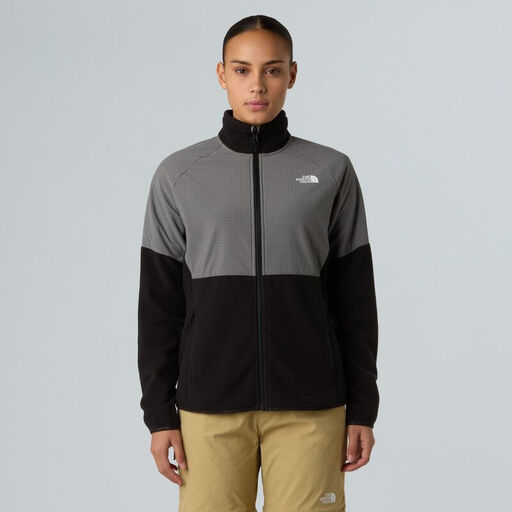
Why this model stands out: A classic and warm fleece vest that functions as a robust mid-layer.
Product Specifications:
Who is this jacket for? This The North Face fleece vest is a perfect choice for those looking for a warm and durable mid-layer for hikes or camping trips. It's also great for wearing on its own during dry, crisp days in autumn or spring.
These three models represent different functions within The North Face range. Are you looking for a different type of jacket, a different colour, or a model with slightly different specifications? More options are available to suit a wide range of activities and weather conditions.
Check out our full range of weatherproof shells and other outdoor jackets for more choices.
1. How do I know which size The North Face jacket I need? The fit can vary between models. A shell jacket often has a slightly roomier fit to accommodate a fleece or insulated jacket underneath. You will find a specific size chart on each product page. We recommend measuring your chest, waist, and hip circumference and comparing these with the chart for the most accurate choice.
2. Is every The North Face jacket waterproof? No, not all jackets are waterproof. It depends on the model and the materials used. Jackets with DryVent or GORE-TEX technology, like the Quest Jacket, are designed as a waterproof outer layer. Fleece vests and many insulated jackets are intended as mid-layers and are not waterproof, although they may have a water-repellent treatment.
3. How do I wash my The North Face jacket? Always check the care label inside the jacket first. General guidelines are: close all zips, wash the jacket inside out at a low temperature (maximum 40°C) with a mild detergent. For insulated jackets, it is sometimes recommended to dry them in a dryer on a low setting with a few clean tennis balls to keep the filling fluffy. Avoid fabric softener, as it can impair the breathable and water-repellent properties.
