
Vandaag of morgen in huis

Kwaliteit gegarandeerd

Welkomstaanbiedingen ontgrendelen: GRATIS bezorging | Tot 80% korting | Gratis 30 dagen JoyPlus-proefperiode
Download de app
A The North Face jacket can be suitable for walking, cycling, camping or everyday wear, but not every model is made for the same conditions. A fleece jacket, for example, helps keep you warm, while a DryVent jacket is primarily designed as an outer layer for rain and wind. If you focus only on the brand name, colour or an eye-catching discount, you could end up with a jacket that doesn’t suit how you use it after just a few weeks.
According to the product information, a DWR treatment helps water bead off the surface. That doesn’t automatically mean a jacket will keep you completely dry in prolonged rain. So check whether it has a waterproof membrane construction, taped seams and a suitable hood.
The product description of a DryVent jacket refers to a waterproof, windproof and breathable construction. However, care is still important: dirt, wear and incorrect washing can affect how well an outer layer performs.
A warm outdoor jacket isn’t always one thick layer. A fleece jacket traps warmth, but on its own it usually offers less protection from rain and strong winds. A down or synthetic mid-layer can be warm, but often needs a separate shell in wet weather.
A 3-in-1 jacket or Triclimate jacket is a practical choice if you want to work with different layers. Be sure to check the weight, freedom of movement and how the inner and outer layers attach to each other.
A walking jacket should have enough room for a top and, if needed, a fleece jacket. Too much room can be awkward when training or cycling; too little can restrict your movement and make layering difficult. Always check the chest, waist and arm measurements in the product specifications rather than relying on S, M or L alone.
There’s more to a waterproof jacket than just the fabric. Look out for:
These features are product specifications, not a guarantee that you’ll stay dry in every situation. Check the care instructions too, and fasten zips and hook-and-loop fastenings before washing.
Down jackets often list their fill power. The reference version, 550 fill power down, uses down insulation with this fill power, according to the product information. This figure tells you about the volume of the down, but it doesn’t determine how warm the whole jacket will be on its own. Fit, the amount of filling, wind protection and moisture all play a part too.
A fleece jacket made from 100% polyester is particularly useful as a mid-layer. Fleece is generally practical to dry after perspiration, but it isn’t a fully waterproof layer. Synthetic insulation can be an alternative if you regularly encounter damp conditions. Check the drying instructions for each model.
A standard fit suits many everyday situations, but the right size depends on your measurements and how you plan to use the jacket. Follow these steps:
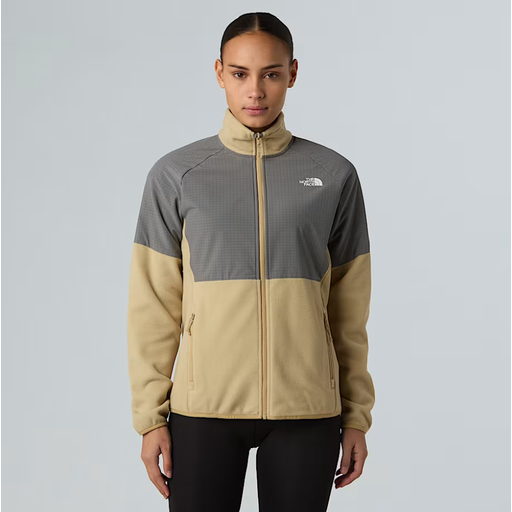
Why it suits this profile: This women's fleece jacket is a versatile mid-layer for walking, camping and everyday wear. Its standard fit makes it easy to wear with an outer layer.
The product description clearly identifies it as a mid-layer, so you won’t mistake this fleece for a rain jacket.
100% polyester fleece, full-length zip, zipped pockets and compatibility with Triclimate layers.

Why it suits this profile: This men's jacket is designed for changeable weather and offers several ways to wear it. According to the product description, the outer layer and down inner layer can be worn separately or together.
The 3-in-1 design means you don’t need a separate jacket for every type of weather, provided the fit and warmth suit how you plan to use it.
Triclimate system, 550 fill power down insulation, taped outer seams and underarm ventilation zips.

Why it suits this profile: This men's jacket is designed for training and outdoor activities where a lightweight protective layer is useful. Its standard fit and zipped pockets make it well suited to active use.
The specifications mention DryVent, sealed seams and a DWR finish. This makes it clear that it’s a protective outer layer, not an insulated winter jacket.
DryVent outer layer, 100% recycled polyester according to the product information, hood, and zipped chest and hand pockets.
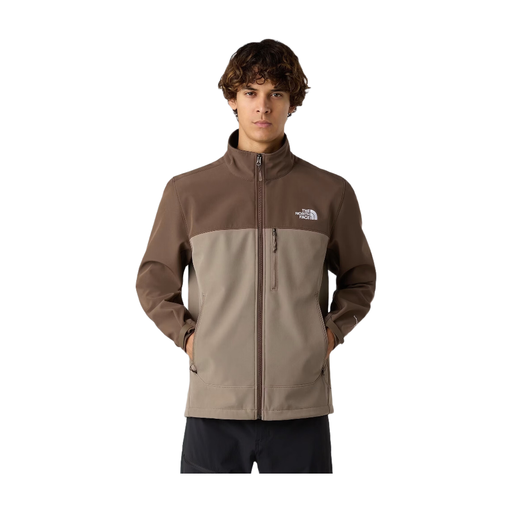
Why it suits this profile: This windproof jacket is suitable for commuting, getting around town and light outdoor activities in spring and autumn.
The product information presents this model as a windproof jacket with a fleece back, not as a fully waterproof jacket. This makes it easier to choose the right layer for the weather.
93% polyester and 7% elastane, adjustable hem, secure zipped pockets and a soft fleece back.
We’ve put together a complete, up-to-date list of products that meet these strict selection criteria and the applicable European safety regulations.
A jacket’s lifespan depends on more than the fabric; how you care for it matters too. Wash it according to the label and don’t use bleach unless the instructions say it’s safe to do so. Fasten zips and hook-and-loop fastenings before washing. According to the product information, a fleece jacket can be air-dried; some insulated jackets, on the other hand, need to be tumble-dried on a low heat setting. Don’t use high heat without checking the label first.
An outer layer with a DWR finish may need its water-repellent treatment reactivated or refreshed. Always follow the manufacturer’s instructions.
Look for a 3-in-1 jacket, a Triclimate system or a DryVent outer layer with room for a fleece jacket underneath. Insulation matters for a warm walk; in the rain, seams, the hood and care are just as important.
No, a fleece jacket is primarily an insulating mid-layer. Wear it with a waterproof jacket if you need protection from the rain.
Measure your chest, waist, hips and arm length, then compare those measurements with the size chart for the specific model. Allow for the layer you’ll wear underneath. A standard fit can be comfortable for layering, but the fit varies between models.
