
Vandaag of morgen in huis

Kwaliteit gegarandeerd

Welkomstaanbiedingen ontgrendelen: GRATIS bezorging | Tot 80% korting | Gratis 30 dagen JoyPlus-proefperiode
Download de app
A jacket may look technical in a product photo, yet disappoint in practice. When choosing The North Face jackets, it is not just the colour or brand name that matters. For walking, cycling, running, camping and everyday use, the material, fit and layering system determine whether the jacket is truly right for your needs.
A Durable Water-Repellent finish, often abbreviated to DWR, helps rainwater bead on the surface. This does not automatically mean that a jacket will keep out prolonged rain completely. Check whether the product description also mentions a membrane, taped seams and a waterproof construction.
Some The North Face jackets mention DryVent. According to the brand’s product description, this refers to a waterproof, windproof and breathable fabric. Also look for details such as fully taped seams, an adjustable hood and a drawcord at the hem.
An insulated jacket can be comfortable during a cold walk, but may become too warm when running or on an intensive hike. A fleece jacket or lightweight mid-layer often works better under a breathable shell. For changing conditions, a 3-in-1 jacket, such as a Triclimate system, is practical because the layers can be worn separately or together.
A jacket that is too tight leaves little room for a fleece jacket or thermal layer. A jacket that is too loose can let in draughts and make movement less comfortable. Do not rely on the letter size alone. Measure your chest, waist and hips, then compare them with the size chart for the specific model.
A The North Face jacket size M may fit differently depending on whether it is a women’s jacket, men’s jacket or a different model. The same applies to a The North Face jacket size XL. Always check the measurements on the product page before ordering.
For a rain jacket or hiking jacket, these points are relevant:
A waterproof jacket is not automatically warm. A shell mainly protects against precipitation and wind; add a fleece or insulated jacket in lower temperatures.
Walking, running and climbing create heat and moisture on the inside. A mesh lining, ventilation zips or a breathable membrane can improve comfort. The product description of a DryVent jacket generally mentions breathability, but its exact performance also depends on exertion, clothing layers and weather conditions.
So do not expect a jacket to feel completely dry on the inside in every situation. Choose a model with ventilation options if you also want to use the jacket for intensive activities.
Pay attention to the composition and care label. The models available include 100% polyester, recycled polyester, polyester-elastane and polyester fleece. Recycled material says something about the source of the fibres, but not automatically about durability or fit.
Care affects how well a jacket performs. Wash it according to the label, close the zips beforehand and use a mild detergent. Some models should not be tumble-dried; with others, a gentle warm programme may help reactivate the DWR finish, but only if the care label allows it. If water repellency decreases, reproofing may be necessary.

Why it suits this profile: This men’s jacket is designed for outdoor running and training. Its standard fit and practical pockets make it suitable for anyone looking for a single protective jacket for sport and everyday use.
The product description mentions a sealed DryVent construction and a standard fit. However, check the size chart and care label before ordering.
100% recycled polyester according to the product information; hood, chest pocket and zipped hand pockets.

Why it suits this profile: Anyone wanting one flexible system for different weather conditions may wish to consider this Triclimate model. The outer layer and insulated inner jacket can be worn separately or together.
The layered design means you do not need a separate jacket for every season. Before buying, check that the warmth and fit suit your activity.
3-in-1 design; product information mentions GORE-TEX layers, 550 fill power down insulation and underarm ventilation zips.
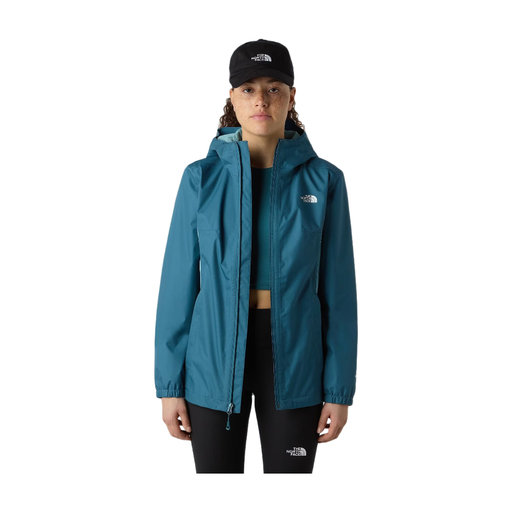
Why it suits this profile: This women’s jacket is designed as a technical layer for hiking and wet, windy conditions. It can be worn on its own or zipped into a compatible Triclimate system.
The product description mentions a concealed hood adjustment, adjustable cuffs and a system for combining it with other layers.
DryVent is described in the product information as waterproof, windproof and breathable; available in size XL with corresponding chest, waist and hip measurements.
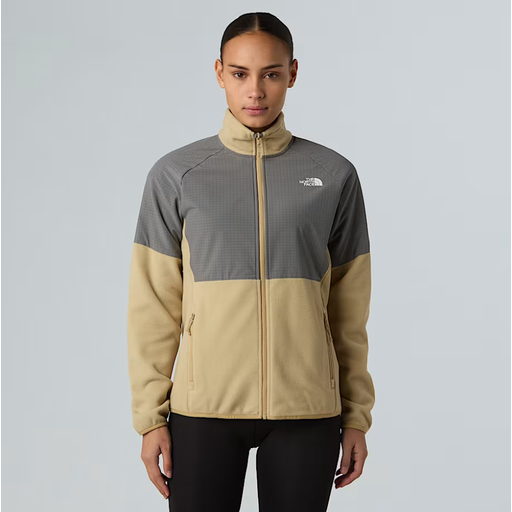
Why it suits this profile: This fleece jacket works as a warm mid-layer for walking, climbing and camping. Its full-zip design makes it easy to adjust your temperature.
This is not a rain jacket, but a clearly defined mid-layer. That way, you avoid buying a fleece with expectations suited to a waterproof shell.
100% polyester fleece according to the product information; zipped pocket and ribbed cuffs and hem.
We have put together a complete, up-to-date list of products that fully meet these strict selection criteria and the applicable European safety regulations.
Look for a model with waterproof outer fabric, sealed seams, an adjustable hood and cuffs. According to the brand’s product description, a DryVent jacket can offer waterproof, windproof and breathable performance. The actual protection also depends on care, wear and the intensity of the rain.
Always follow the label inside the jacket. This usually means washing at a maximum of 40 degrees with similar colours, closing the zips and using a mild detergent. Do not use bleach. Preferably air-dry the jacket unless the label allows a gentle tumble-drying programme. With a shell, periodic reproofing can help maintain the water-repellent finish.
Measure your chest, waist, hips and arm length, then compare these measurements with the chart for the selected model. Allow room for an extra layer if you plan to wear the jacket over a fleece or insulated jacket. A standard fit is not the same as a relaxed fit, so always check the product specifications for each women’s or men’s jacket.
