
Vandaag of morgen in huis

Kwaliteit gegarandeerd

Welkomstaanbiedingen ontgrendelen: GRATIS bezorging | Tot 80% korting | Gratis 30 dagen JoyPlus-proefperiode
Download de app
A jacket can look technical without being right for the way you’ll use it. The North Face jackets range from windbreakers and fleeces to rain jackets, insulated jackets and 3-in-1 styles. If you focus only on colour, the logo or an attractive price tag, you could end up with a jacket that’s too warm for everyday wear, doesn’t leave enough room for layers or isn’t suitable for prolonged rain.
So, look out for these three common pitfalls:
For conditions in the Netherlands, a waterproof jacket is particularly useful if you cycle, walk or spend long periods outdoors in changeable weather. Check the product description for:
A water-repellent coating helps rain roll off the fabric for a while, but it isn’t the same as a fully waterproof construction. According to the product description, the Quest jacket has 2L DryVent fabric, sealed seams, a DWR finish and a mesh lining. This makes this type of jacket suitable as an outer layer, although the level of protection will depend on how you use and care for it, as well as the condition of the coating.
A fleece jacket is usually designed as a warm mid-layer. According to the product information, the The North Face women’s jacket NF0A8DZY is made from 100% polyester fleece and has a standard fit. It’s designed to be worn under a waterproof outer layer, or on its own in dry, mild weather.
An insulated jacket uses synthetic fill or down to trap warmth. According to the product description, the women’s jacket NF0A8DW6 has lightweight synthetic insulation and can be zipped into another jacket. A shell, such as a DryVent jacket, is designed primarily to protect you from rain and wind. For cold, wet days, combining fleece or insulation with a shell is often more practical than wearing one heavy jacket.
Don’t compare S, M or L across different models alone. Sizing can vary by model and intended wearer. Instead, measure:
A The North Face women’s jacket won’t necessarily have the same cut as a The North Face men’s jacket. Also check whether the description specifies “standard fit” or another fit. For a walking jacket, freedom of movement, cuffs and an adjustable hem matter more than a very slim silhouette.
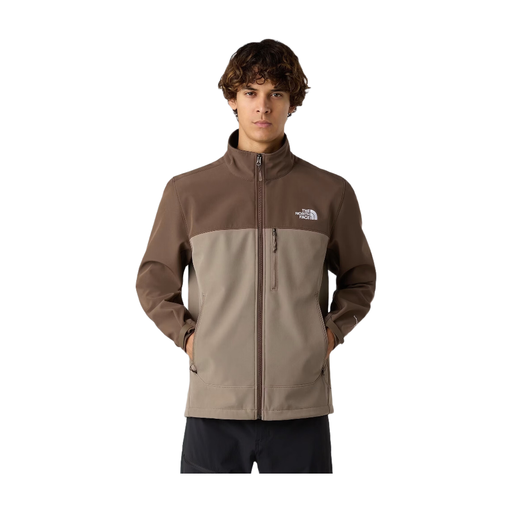
Why it suits this profile: This windbreaker is suitable for everyday wear, walks around town and mild spring activities where protection from the wind is the main priority.
The product description mentions wind protection, but doesn’t claim that this is a fully waterproof rain jacket. That makes its intended use clearer.
93% polyester and 7% elastane, a fleece back, zipped chest and hand pockets, and an adjustable hem.

Why it suits this profile: The Triclimate 3-in-1 jacket is designed for anyone looking for one system to handle a range of conditions while walking and enjoying outdoor activities.
The two layers can be worn separately or together, so you don’t have to wear a heavy insulated jacket in milder weather.
A versatile layering system, adjustable hood, underarm zips, taped seams and an inner jacket with 550 fill power down, according to the product description.

Why it suits this profile: This The North Face women’s jacket is designed for hiking and changeable conditions where a standalone outer layer is important.
The description specifically mentions DryVent, sealed seams, a hood and an adjustable hem. That’s more useful than a general claim about outdoor protection.
Waterproof, windproof and breathable 2L DryVent fabric, according to the product description, plus a mesh lining, two zipped pockets and adjustable cuffs.
We’ve put together a full, up-to-date list of products that meet these strict selection criteria and the applicable European safety regulations.
A fleece jacket is mainly designed as a warm mid-layer and generally won’t provide full protection from rain. In wet weather, wear a waterproof outer layer, such as a DryVent jacket, over your fleece. Always check the specific product description and care label.
Fasten zips and hook-and-loop closures before washing, and use a mild detergent in line with the product label. Avoid bleach and follow the drying instructions. For some models, the manufacturer says the DWR finish can be reactivated or reapplied; only do this if the label allows it.
It depends on the season and how active you’ll be. A windproof jacket may be enough for mild, dry days. In rainy weather, a waterproof walking jacket with a hood and sealed seams is more practical. For cold and changeable conditions, a Triclimate jacket or a combination of fleece and shell gives you more flexibility.
