
Vandaag of morgen in huis

Kwaliteit gegarandeerd

Welkomstaanbiedingen ontgrendelen: GRATIS bezorging | Tot 80% korting | Gratis 30 dagen JoyPlus-proefperiode
Download de app
An outdoor jacket should suit the weather, your activity and the layers you wear underneath. If you focus only on the brand name, colour or an attractive discount, you could still end up with a jacket that isn’t practical. This applies to women’s and men’s outdoor jackets, as well as styles for hiking, travelling or everyday wear.
The North Face jackets come in several types: lightweight waterproof jackets, windproof jackets, fleece jackets, winter jackets and 3-in-1 jackets. The differences aren’t just about appearance. Pay particular attention to the construction, sizing and care instructions.
A coating that makes raindrops roll off the fabric doesn’t automatically make a jacket fully waterproof. Check whether the product description mentions waterproof fabric, taped or sealed seams and an adjustable hood. Without these details, rain may get in through the seams, zips or neckline.
A water-repellent DWR finish can also become less effective over time. According to the product information for some styles, you may need to reproof the jacket or use a suitable treatment. Always follow the care label.
A thick winter jacket isn’t always practical for walking, hiking or running. Heat and moisture can build up while you’re exercising. A breathable shell worn with a fleece jacket or insulating layer gives you more flexibility.
A fleece jacket helps retain warmth, but on its own it usually won’t provide full protection from prolonged rain. According to the product description, a DryVent jacket is designed to be a protective outer layer. How suitable it is in practice depends on the fit, ventilation, level of exertion and weather conditions.
Sizing can vary between styles and intended wearers. Measure your chest, waist, hips and arm length, then compare your measurements with the size guide on the product page. Remember to allow room for a fleece or insulating layer underneath the jacket.
A jacket that feels tight across the shoulders can restrict your movement. One that’s too roomy may let in the wind and feel less comfortable when cycling or walking. If you’re looking for a jacket for hiking, check the sleeve and hem length too.
Look for terms such as DryVent, a waterproof and windproof outer layer and fully sealed seams. DryVent is a product technology from The North Face. According to the product descriptions for the styles in this selection, the fabric is designed to combine protection from rain and wind with breathability. This is a claim made in the product information; your experience may vary depending on your activity and the conditions.
Also look for:
A fleece jacket is usually suitable as a mid-layer. Fleece made from 100% polyester is lightweight, easy to layer and suitable for walking, camping and travelling. Wear a shell over it for better protection from rain and wind.
A 3-in-1 jacket consists of an outer layer and an inner layer, which you can wear separately or together. This is handy in changeable Dutch weather, but check that both layers fit well and that their connection system is compatible. A separate winter jacket may be more practical if you’re mainly looking for maximum warmth in the city.
Check the fibre content, lining and care instructions. Many styles in this selection use polyester; some specify recycled polyester or a PFC-free DWR finish. This tells you something about the materials, but it doesn’t in itself guarantee a longer lifespan.
Wash a technical jacket according to the care label, fasten the zips and use a suitable mild detergent if recommended. Avoid bleach. Using the wrong drying method can affect the fit, coating or insulation.
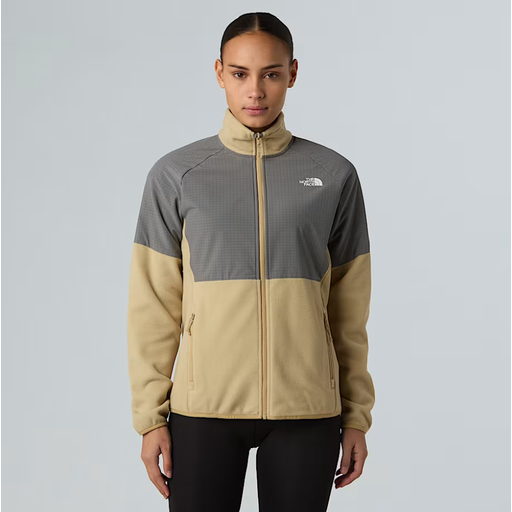
Why it suits this profile: This fleece jacket is an accessible mid-layer for walking, camping and everyday wear. Its regular fit leaves room for an outer layer over the top.
The product description identifies fleece as a mid-layer and recommends pairing it with a breathable, waterproof shell. This means the fleece isn’t relied on for complete protection from rain.
100% polyester fleece, full-length zip, rib-knit cuffs and hem, and a zipped pocket.

Why it suits this profile: This Triclimate 3-in-1 jacket is a good match for anyone looking for one system for changeable conditions while travelling, walking and spending time outdoors day to day.
According to the product information, you can wear the layers separately or together. So you won’t need a different jacket for every type of weather.
Outer layer with taped seams, adjustable cuffs and hem, plus an inner layer filled with 550 fill power down, according to the product description.

Why it suits this profile: According to the product description, this The North Face Quest jacket is designed as a shell for hiking and changeable conditions.
The description specifies a 2L DryVent outer layer, mesh lining and fully sealed seams. This makes the key features to check in a rain jacket clear.
Adjustable hood, elasticated cuffs, drawcord at the hem and two zipped pockets.
We’ve put together a complete, up-to-date list of products that meet these strict selection criteria and the applicable European safety regulations.
It depends on the style. For prolonged rain, choose a jacket whose product description specifies a waterproof outer layer, sealed seams and an adjustable hood. A fleece jacket or lightweight windbreaker isn’t automatically suitable for this.
Its lifespan depends on how it’s used, friction, washing and care. Check the seams, zips and outer finish regularly. Follow the care label, and only re-treat a DWR finish if the product information allows it. Wear and tear may show sooner with intensive hiking or camping than with everyday commuting.
When you’re active, it’s best to wear several thin layers: a breathable base layer, a fleece jacket if needed, and the shell over the top. This lets you adjust warmth and ventilation without having to buy another jacket.
