
Vandaag of morgen in huis

Kwaliteit gegarandeerd

Welkomstaanbiedingen ontgrendelen: GRATIS bezorging | Tot 80% korting | Gratis 30 dagen JoyPlus-proefperiode
Download de app
A The North Face jacket can be suitable for hiking, travelling, running or everyday wear, but not every model is designed for the same conditions. A fleece jacket, for example, protects against the cold, while a waterproof jacket is primarily intended as an outer layer in rainy weather. If you focus only on colour, the brand name or a general term such as “all-weather”, you could end up buying a jacket that is not well suited to how you actually plan to use it.
When comparing jackets, pay particular attention to these three common pitfalls:
For British weather, an adjustable hood, covered zips and well-finished seams are important. Look for terms such as seam-sealed or taped seams. These indicate that, according to the product description, the seams have been sealed.
For a DryVent jacket, the product information usually lists features such as waterproofing, windproofing and breathability. Do not automatically assume that every model has these features: always check the specific product page. For example, the Quest models are stated to have a 2L DryVent outer fabric with fully sealed seams and a DWR finish.
A DWR coating may become less effective over time due to washing, dirt and use. According to the manufacturer's care information, reproofing may be necessary. Always follow the washing instructions on the care label.
A fleece jacket is usually a mid-layer. According to the product description, models NF0A8DZY are made from 100% polyester fleece and feature a full-length zip and zipped pockets. They can be combined with suitable Triclimate systems.
A fleece jacket is not designed to provide complete rain protection. For a walk along the coast or a camping weekend, combining a fleece with a waterproof outer layer can offer more flexibility than wearing one thick jacket.
A 3-in-1 jacket consists of an outer layer and an inner layer that can be worn separately or together. Model NF0A84FC is described as a Triclimate system with a protective outer layer and a down inner jacket with 550 fill power. As the filling is of animal origin, it is worth checking the material and sourcing information on the product page if this is important to you.
“True to size” does not mean that every jacket fits in the same way. Compare your chest, waist, hip and sleeve measurements with a jacket you already find comfortable.
Pay attention to these points:
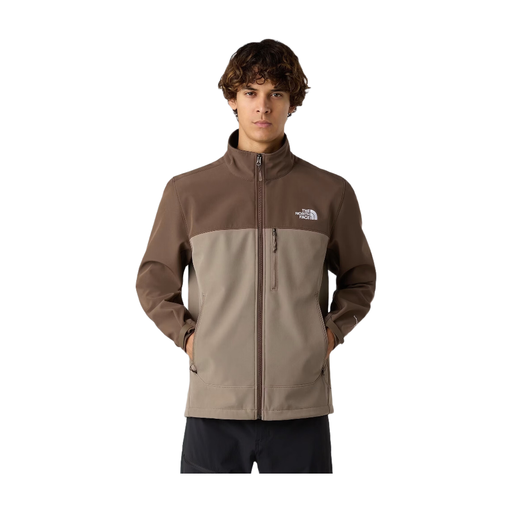
Why it suits this profile: According to the product description, this windproof jacket is intended for spring activities and everyday wear. The fleece backing can provide extra comfort without the need for a heavy winter coat.
The product information mentions wind protection, zipped pockets and an adjustable hem. This makes its features clearer than a general claim that it is suitable for every type of weather.
93% polyester and 7% elastane; fleece backing; zipped chest and hand pockets; adjustable cuffs and hem.

Why it suits this profile: If you want to use one system in changeable conditions, you can wear the outer and inner layers separately or together.
The product description specifies the separate layers, ventilation zips, adjustable cuffs and taped outer seams. However, check that the fit leaves enough room to wear the layers together.
Triclimate 3-in-1 construction; 550 fill power down according to the product information; underarm ventilation; adjustable hood and hem.

Why it suits this profile: According to the product description, this women's jacket is designed as a hiking shell for wet and windy conditions, with a focus on the hood, cuffs and breathability.
The product information specifies 2L DryVent, sealed seams, a mesh lining and an adjustable hood. This allows you to compare its rain protection in concrete terms.
Waterproof, windproof and breathable DryVent outer fabric according to the product description; mesh lining; adjustable hem; zipped pockets.
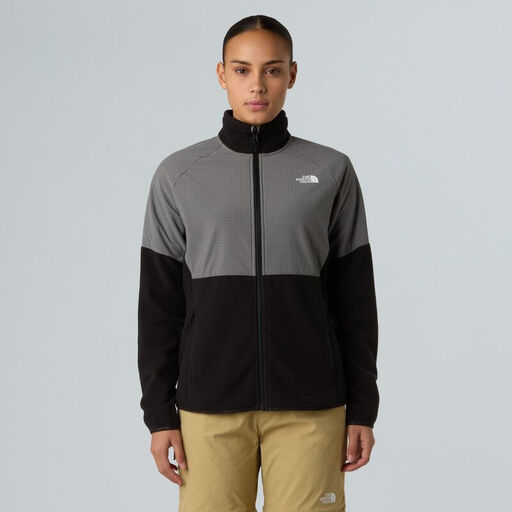
Why it suits this profile: This fleece jacket works as a warm mid-layer for hiking, climbing or camping and, according to the product description, can be combined with suitable Triclimate jackets.
Its role as a mid-layer is clearly described. This helps you avoid using the fleece as a standalone waterproof jacket.
100% polyester fleece; full-length zip; zipped pockets; suitable as an insulating layer within a layering system.
We have put together a complete, up-to-date list of products that fully meet these strict selection criteria and the applicable European safety regulations.
The lifespan of an outdoor jacket depends on more than just the fabric. Fasten zips and hook-and-loop closures before washing, use a mild detergent and check the care label. According to the product information, many models in this selection can be washed at a maximum of 40 °C and should be air-dried.
Do not use bleach and do not iron directly over seams, logos or a DWR coating. With a waterproof jacket, reproofing may be necessary when water no longer beads on the surface. A fleece jacket and a synthetically insulated jacket have different drying instructions. Always follow the guidance for the specific model.
That varies from model to model. A jacket with DryVent and fully sealed seams is described as waterproof in the product information. A windproof jacket or fleece jacket does not automatically offer the same level of rain protection. Check the outer fabric, seams, hood and zip construction.
For hiking in changeable weather, a waterproof hiking jacket with an adjustable hood and hem is practical. In cold weather, you can wear a fleece jacket or insulating mid-layer underneath. On dry, windy days, a lighter windproof jacket may be sufficient.
Measure your chest, waist and hips at the widest points and compare these measurements with the size guide for the model. Allow for layering. Men's and women's jackets have different size guides, even when the letter size appears to be the same.
