
Vandaag of morgen in huis

Kwaliteit gegarandeerd

Welkomstaanbiedingen ontgrendelen: GRATIS bezorging | Tot 80% korting | Gratis 30 dagen JoyPlus-proefperiode
Download de app
For many, a The North Face jacket is a symbol of adventure and durability. But with an abundance of models, technologies, and price points, making the right choice is harder than it seems. Many buyers fall into the trap of marketing jargon or purchase a jacket that doesn't suit their actual needs, resulting in an expensive mistake that ends up gathering dust in the closet.
As a Joybuy Product Recommendation Officer, I cut through the noise and provide you with practical guidance. We won't focus on the hype, but on the specifications that truly matter. Let's avoid the two most common pitfalls.
Before you choose a model, it's important to understand three technical aspects. These determine whether a jacket is suitable for your goals.
The North Face often uses DryVent technology. This is a multi-layered fabric designed to be waterproof, windproof, and breathable.
An insulated jacket provides warmth, but the type of fill makes a significant difference.
The North Face is renowned for its layering system. This is often more effective than a single, thick jacket.
Below are some popular choices, linked to specific user profiles. These aren't "winners," but objective matches based on their specifications.
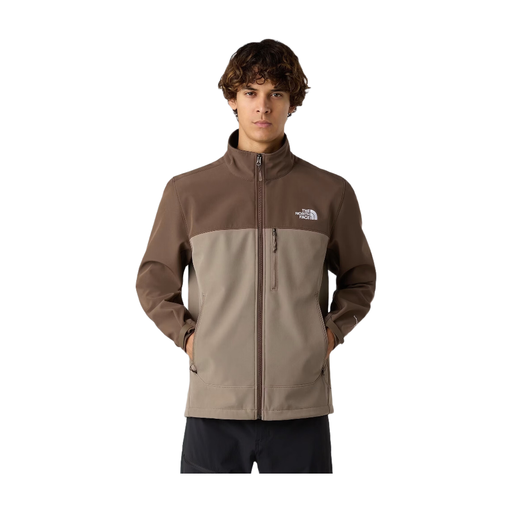
Why This Fits Their Persona: Ideal for those seeking a stylish, functional jacket for commuting and weekend outings. This windproof jacket offers protection from harsh winds without the bulk of a full winter jacket.
This jacket isn't over-engineered. It focuses on one core task: wind protection. This way, you don't pay for extreme waterproofing or insulation you don't need in the city.
The soft fleece lining on the inside ensures comfort. It's a classic windproof jacket that combines functionality with a modern style.

Why This Fits Their Persona: For those who regularly venture into nature and want to be prepared for unpredictable weather. This 3-in-1 system offers the flexibility needed for long hikes.
This Triclimate jacket is the direct solution to the 'one-size-fits-all' pitfall. Instead of one compromise, you get three specific options: a rain jacket, an insulated jacket, or a complete winter coat.
Combines a protective outer shell with a warm down inner jacket. Features technical details like an adjustable hood, underarm ventilation zips, and taped seams.
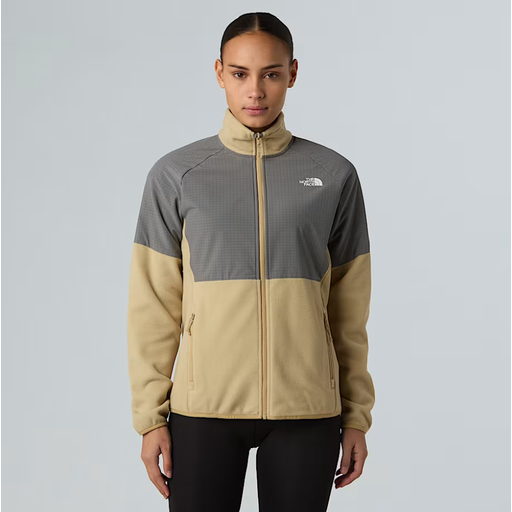
Why This Fits Their Persona: Perfect for the user who already owns a good waterproof outer layer and is looking for a high-quality, warm mid-layer. This women's The North Face jacket is a classic fleece that perfectly fulfils that role.
This is a specialised piece of apparel. It doesn't try to be everything at once. It provides warmth and breathability—exactly what a mid-layer should do—avoiding the pitfall of a bulky, non-breathable all-in-one jacket.
Made from 100% polyester The North Face fleece for warmth without the weight. Fully compatible with Triclimate outer jackets for a complete system.
We have compiled a complete, real-time list of products that fully satisfy these strict selection criteria and UK safety regulations.
Always check the care label first. As a general rule: close all zips and Velcro fasteners. Wash the jacket inside out at a low temperature (maximum 40°C) with a mild, liquid detergent. Do not use fabric softener, powder detergent, or bleach. To reactivate the durable water-repellent (DWR) layer, you can tumble dry the jacket on a low setting for 20 minutes (if the label permits).
A fleece is a mid-layer, designed for insulation and breathability. It is typically not windproof or waterproof. An insulated jacket is an outer layer that provides both insulation (down or synthetic) and a degree of weather protection. You wear a fleece under a shell, whereas an insulated jacket is often worn as a standalone piece.
For many people, yes. The weather can change from sunny to a cold downpour in a single day. A Triclimate jacket gives you the flexibility to adapt. On a cool autumn day, you wear just the inner jacket. During a summer shower, you use only the waterproof shell. And in winter, you zip them together for a complete, warm, and dry coat. It's like buying three jackets for the price of one.
