
Vandaag of morgen in huis

Kwaliteit gegarandeerd

Welkomstaanbiedingen ontgrendelen: GRATIS bezorging | Tot 80% korting | Gratis 30 dagen JoyPlus-proefperiode
Download de app
Written by Joybuy, Product Recommendation Officer Date: 2026-07-20
The weather demands apparel that can withstand the elements. Whether you're an avid hiker, hitting the slopes, or simply want to get from A to B dry and comfortable, reliable outdoor clothing is essential. The North Face is a brand many know, but its wide range of products can be overwhelming. Which jacket suits your activity? And what do all those technical terms mean?
This article is intended as a practical guide. We'll help you make the right choices within The North Face's apparel collection, so you can invest in an item that truly fits your needs. We focus on product specifications and functionality, without the marketing jargon.
Before making a choice, it's helpful to understand a few basic principles. This will help you better interpret the specifications of a The North Face jacket or pair of trousers.
Much of The North Face's waterproof outdoor clothing uses DryVent technology. This is a fabric constructed with multiple layers. According to The North Face, the outer layer is treated with a durable water-repellent (DWR) finish that causes water droplets to bead up and roll off. The inner layer is designed to transport water vapour (sweat) from the inside to the outside. The result is a fabric that is waterproof, windproof, and breathable. This keeps you dry from the outside and helps prevent overheating during exertion. Also, look for the term sealed seams; this means the stitching has been sealed to prevent water from leaking through the needle holes.
Fit is crucial for comfort and functionality. The North Face women's and The North Face men's clothing often has a specific cut. A 'standard fit' (regular fit) typically offers enough room to wear a fleece or sweater underneath, ideal for hikes in cold weather. A 'slim fit' is cut closer to the body and is often intended for more active pursuits where freedom of movement is important and you're wearing fewer layers. Always check the size chart and the fit description for the specific product.
Consider what you will primarily use the clothing for. For a winter sports enthusiast, underarm ventilation zips and a powder skirt in the trousers are essential. For a hiker, a well-adjustable hood and easily accessible pockets are more important. Details like a soft chin guard, elasticated cuffs, or an adjustable hem cord may seem small, but they make a big difference in comfort during a long day outdoors.
Based on functionality and specifications, we've highlighted a few popular choices that provide a good overview of what The North Face has to offer.
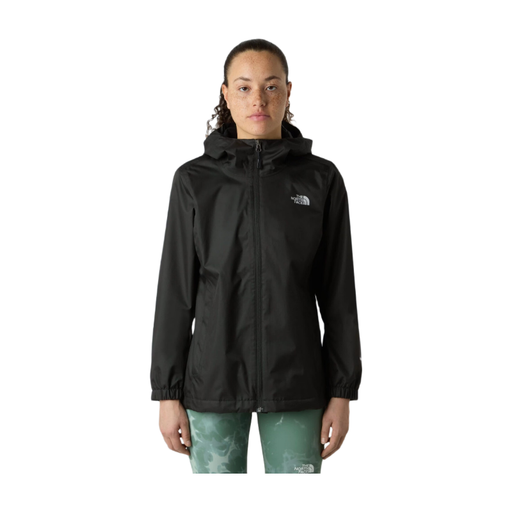
Why it stands out: The Quest jacket is a versatile shell designed for reliable protection against the elements. It's a functional jacket without unnecessary frills, focused on performance and comfort during hikes.
Benefits:
Who is it for? For the hiker or cyclist seeking a reliable, lightweight, and waterproof jacket for use in spring, summer, and autumn. Also highly suitable for daily use in changeable weather.
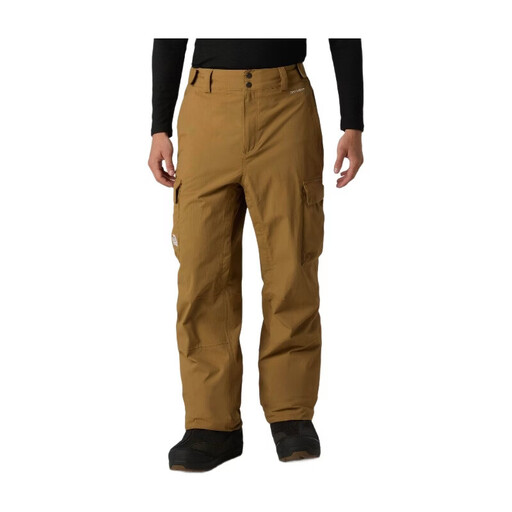
Why it stands out: This The North Face trouser is specifically designed with winter sports in mind. The combination of waterproof protection and functional details makes it ideal for the slopes.
Benefits:
Who is it for? For skiers and snowboarders who need robust, waterproof trousers equipped with the necessary features for a day in the snow.
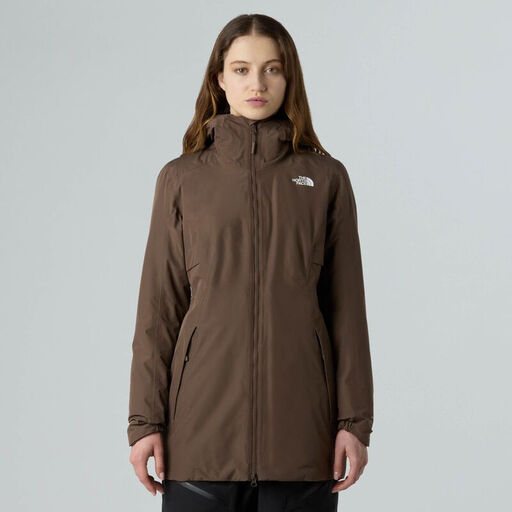
Why it stands out: This parka combines the waterproof properties of a shell jacket with the warmth of synthetic insulation. The longer cut offers extra protection and warmth, ideal for cold and wet days.
Benefits:
Who is it for? For women looking for a warm and waterproof jacket for daily use during cold, wet winters, or for leisurely walks in nature.
Good apparel is the foundation, but the right equipment completes your outdoor experience. For additional training tools to help you stay fit for your adventures, take a look at our selection.
Check out our collection of exercise resistance mats here.
Products with DryVent technology and sealed seams are designed to be waterproof. The waterproofness is further supported by a DWR coating. It's good to know that this coating can wear off over time and with use. You can often reactivate the water-repellent effect by following the instructions on the care label, for example, by tumble drying the jacket on a low setting or ironing it (with a cloth in between).
Generally, The North Face clothing is 'true to size'. However, it is always advisable to consult the specific size chart for the product. Also, pay attention to the described fit (e.g., 'standard' or 'slim') and consider whether you plan to wear thick layers underneath. When in doubt, it may be wise to consider a size larger if you wear a lot of layers.
Always check the care label inside the jacket first. The general guideline is: close all zips and hook-and-loop closures, turn the jacket inside out, and wash at a low temperature (maximum 40°C) with a mild detergent. Do not use fabric softener, as this can impair the breathable properties of the fabric. To maintain the DWR coating, you can tumble dry the jacket on a low, warm setting after washing (if the label permits).
