
Vandaag of morgen in huis

Kwaliteit gegarandeerd

Welkomstaanbiedingen ontgrendelen: GRATIS bezorging | Tot 80% korting | Gratis 30 dagen JoyPlus-proefperiode
Download de app
Thai sauces and curry pastes make it easy to flavour curries, stir-fries, noodles, marinades and dips at home. However, not every bottle or jar is suitable for every dish. A sweet chilli sauce, for example, can’t replace fish sauce, while a curry paste often needs extra coconut milk and vegetables.
The right choice starts not with flashy claims on the label, but with use, ingredients, allergens and volume. Below are the key points to consider for home cooks, vegans and professional kitchens.
Words like “Thai”, “curry” or “authentic” don’t automatically indicate how a product tastes or what it’s suitable for. Always check the ingredients list and usage instructions. A pad thai sauce, for instance, often contains sweet and salty components, whereas tamarind paste tastes mainly sour and fruity.
Also pay attention to the country of production. For example, the Sunlee Thai Fried Noodle Sauce states that the product is made in Thailand. The Sunlee Panang curry paste lists China as the country of production. This alone doesn’t say anything about its usefulness, but it does help you assess product information correctly.
A 725 ml bottle or a 4.5 litre catering pack may seem appealing if you cook regularly. However, once opened, a sauce must be properly sealed and stored according to the packaging. Only buy a large size if you genuinely use the sauce frequently. For occasional curries, a 225 g jar or 300 ml bottle can be more practical.
A vegan curry paste can still contain soya, peanuts, sesame or nuts. The Sunlee Vegan Yellow Curry Paste is described as vegan and gluten-free, but lists soya, peanuts, sesame and nuts as allergens. Always check the current label, especially when cooking for guests or catering.
Don’t just compare the brand or the front of the pack. Look at the full ingredients list and the nutritional values per 100 ml or 100 g. Sauces can contain relatively high amounts of sugar or salt. For instance, the product information for Inproba Sweet Chilli Sauce shows 42 g of sugar and 3.5 g of salt per 100 ml. The Sunlee Thai Fried Noodle Sauce lists 40 g of sugar and 11.65 g of salt per 100 g.
This doesn’t make these products unsuitable, but it helps you adjust the quantity in a dish. With a salty fish sauce or oyster sauce, only add extra salt at the end.
Choose the volume based on how often you cook:
Store opened products in a cool place if the packaging advises it. The Koh Thai red curry paste, for example, states that refrigeration after opening can extend its shelf life. Always check the best-before information on the packaging; this can vary between batches.
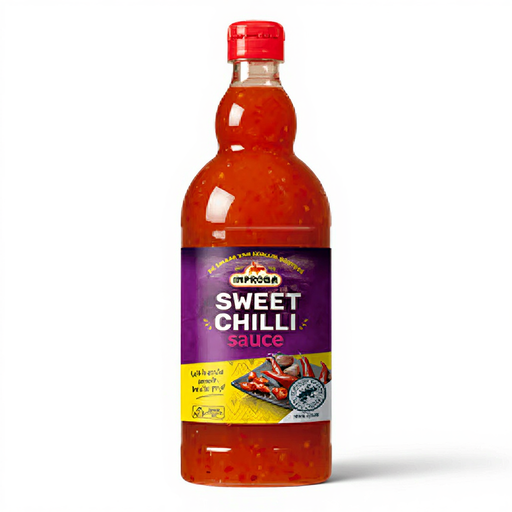
Why this fits the profile: The large bottle is useful as a dip, marinade or addition to stir-fries. That makes one product versatile enough for multiple meals.
The product description mentions specific uses rather than just one dish. Do check whether 850 ml suits your consumption.
None of the 14 major EU allergens are listed in the product information; 850 ml volume.
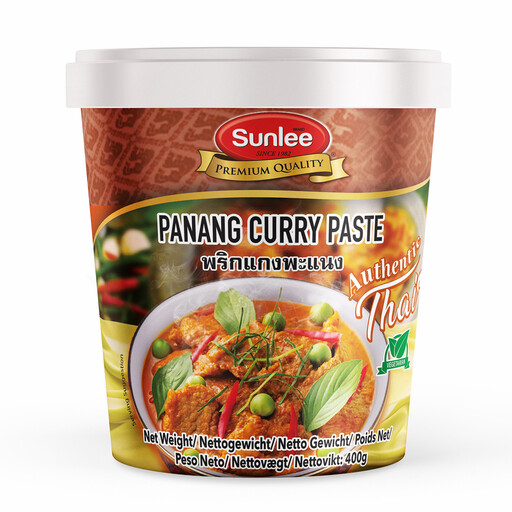
Why this fits the profile: According to the product information, the jar contains dried chilli, lemongrass, galangal, kaffir lime and coriander seed for curries, stir-fries, soups and marinades.
The uses and ingredients are clearly described. According to the product information, the paste is vegan; soya is listed as an allergen.
400 g volume; vegan according to the product description; no artificial colours or preservatives according to the stated specifications.
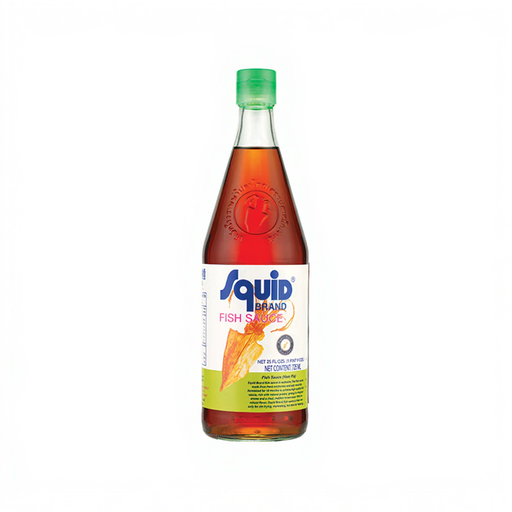
Why this fits the profile: The bottle is aimed at frequent use in stir-fries, soups, marinades and dips. The product information states 77% anchovy.
The label clearly states the main ingredient and its use. The product contains fish and is therefore not suitable for vegan dishes.
725 ml volume; ingredients based on anchovy, salt and sugar; suitable for multiple cooking methods.
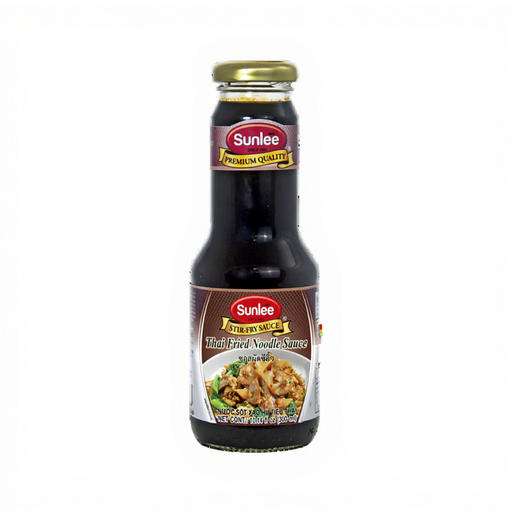
Why this fits the profile: According to the product description, the sauce is intended for pad thai and other fried noodle dishes. You add it directly to the noodles.
The use is specific, so you don’t buy a general stir-fry sauce for a dish that needs a different flavour balance.
300 ml volume; made in Thailand according to the product information; contains soya and wheat, so allergen checks are still needed.
We’ve put together a full, up-to-date list of products that fully meet these strict selection criteria and comply with current European safety regulations.
Choose a sauce that is specifically sold for fried noodles or pad thai, such as the Sunlee Thai Fried Noodle Sauce. If you prefer to build the flavour yourself, you can also combine fish sauce, tamarind paste and sugar. Add extra ingredients gradually, because ready-made pad thai sauce may already be salty and sweet.
Always follow the instructions on the label. Some curry pastes recommend refrigeration after opening. Seal the jar tightly, use clean utensils and check the stated best-before information. An opened paste that you only use occasionally needs more attention than a jar that’s used weekly.
This varies by brand. Some sweet chilli sauces list none of the 14 major EU allergens and contain no fish, but always check the current ingredients list. For a vegan curry or stir-fry, you also need to be careful with fish sauce and oyster sauce; these are not plant-based. Vegan curry paste, tamarind paste and a suitable Thai dressing can then be more practical.
