
Vandaag of morgen in huis

Kwaliteit gegarandeerd

Welkomstaanbiedingen ontgrendelen: GRATIS bezorging | Tot 80% korting | Gratis 30 dagen JoyPlus-proefperiode
Download de app
Thai cooking is all about balance: sweet, sour, salty, spicy and savoury. With the right Thai sauces and curry pastes, you can quickly make curry, Pad Thai, stir-fries, marinades or dips at home. But there’s a huge range to choose from, and many of the packs look alike. It’s easy to end up with a sauce that’s too sweet, a curry paste with hidden allergens or a large pack you’ll barely use.
This guide will help you compare ingredients, packaging, uses and storage information, so you can make a more informed choice between Thai curry paste, Thai chilli sauce, Thai fish sauce, Thai stir-fry sauce and other Asian sauces.
Words such as “authentic”, “traditional” or “Thai style” don’t guarantee a particular flavour. So check the ingredients list, country of origin and suggested use. For example, a red curry paste may contain shrimp paste, while a green curry paste may be entirely plant-based.
When a product makes a claim about its flavour or traditional preparation, bear in mind that this is how the brand describes it in the product information. Treat it as product information, not as an independently established fact.
A 1 kg pack may seem appealing for a large family, meal prep or catering, but opened curry paste often needs to be kept in the fridge. If you only make Thai curry once a month, a smaller jar may be more practical. So compare more than just the price: check the quantity, how long it keeps after opening and how much you use per dish.
Thai sweet chilli sauce often contains a lot of sugar. Some products can also be relatively high in salt, particularly fish sauce, soy sauce, stir-fry sauce and curry paste. Check the nutritional information per 100 ml or 100 grams, and taste a small amount first. You can always add more sauce; it’s harder to correct a dish that’s too sweet or salty.
Always check the full ingredients list, even if the front of the pack says “vegan” or “vegetarian”. Look out for:
One example of a plant-based option is Sunlee Vegan Green Curry Paste 400g. According to the listed ingredients, this curry paste contains green chilli, lemongrass, garlic, shallot, galangal, kaffir lime peel and spices, among other ingredients. Always check the current packaging before buying.
A Thai spice paste is usually a concentrated base to combine with coconut milk, vegetables, tofu, meat or fish. Thai stir-fry sauce or noodle sauce is often ready to use as it is. Chilli sauce works as a dip, topping or marinade, while tamarind paste adds a tangy, fruity depth.
Think about how you cook before choosing:
Glass jars are handy for pastes, but a squeeze bottle is more practical for sauces you use regularly. After opening, follow the instructions on the label. Many products need to be refrigerated and used within a certain period. The packaging is the definitive source for the best-before date, storage after opening and any warnings.
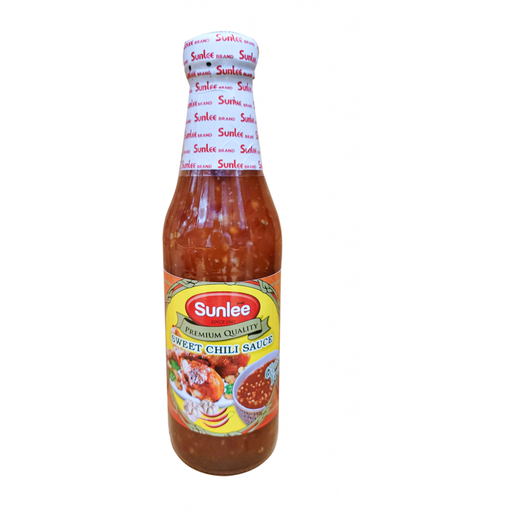
Why it suits this profile: A handy starting point for dips, spring rolls, marinades and simple stir-fries. The 300 ml bottle is a manageable size for household use.
Its uses are varied and clear. According to the product information, the sauce contains sugar, red chilli, garlic and vinegar, among other ingredients, so check that its sweet flavour profile will suit your dish.
300 ml, suitable as a dip and marinade, and, according to the product information, free from the 14 major EU allergens.
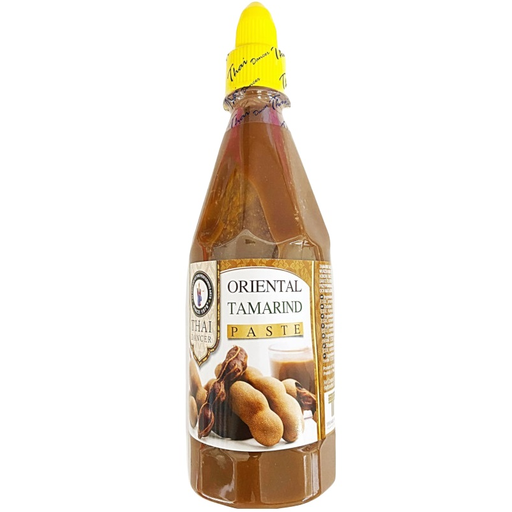
Why it suits this profile: A good choice for home cooks who care about balanced flavours and regularly make curries, sauces, marinades or dips.
According to the product information, it has a simple composition: tamarind pulp and water. This makes it easy to add just the right amount of tang, without adding a complete sauce to your dish.
435 ml, suitable for curries, dips, sauces, marinades and drinks, and, according to the product information, free from artificial colours, flavours and preservatives.
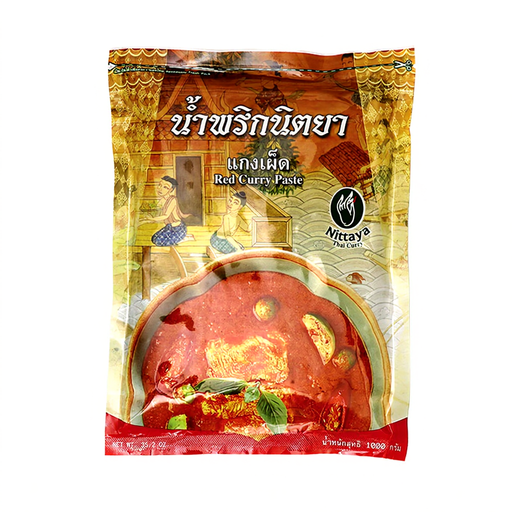
Why it suits this profile: A large pack for frequent home cooks, meal prep, professional kitchens or catering businesses that make red curry regularly.
The quantity is suited to frequent use, so you won’t need lots of smaller packs. The ingredients list includes shrimp paste, among other ingredients, so this isn’t suitable for vegans or anyone with a shellfish allergy.
1 kg, and, according to the product description, suitable for curries, soups, marinades and stir-fries. Refrigerate after opening, following the instructions provided.
We’ve put together a complete, up-to-date list of products that meet these strict selection criteria and the applicable European safety requirements.
Don’t judge by the colour of the curry; check the ingredients instead. Shrimp paste, fish sauce and dried shrimp are commonly found in Thai curry pastes. According to the product information, Sunlee Vegan Green Curry Paste 400g is made with plant-based ingredients and contains none of the 14 major EU allergens. Check the current packaging every time you buy.
It varies by product. Store opened pastes and sauces according to the label; this often means keeping them tightly sealed in the fridge. Products such as tamarind paste, sriracha sauce and chilli paste have different instructions. Follow the best-before date and after-opening guidance on the packaging.
Thai sweet chilli sauce is usually sweet, mildly spicy and suitable as a dip or glaze. Sriracha sauce generally has a more pronounced chilli and garlic flavour, and is used as a topping, marinade or seasoning. Sriracha mayo also contains mayonnaise and egg, and often mustard. So choose according to how you’ll use it, the level of heat you want and the allergens it contains, rather than relying on the product name alone.
