
Livraison le jour même et le lendemain

Qualité garantie

Débloquez vos offres de bienvenue: Livraison GRATUITE | Jusqu'à -80 % | 30 jours d'essai gratuits à JoyPlus
Téléchargez l'application
A bag of Thai jasmine rice may seem straightforward to choose at first glance. However, there are clear differences in origin, grain, packaging and intended use. The wrong choice can result in rice that becomes too sticky, has little aroma or sits open in the cupboard for months.
This buying guide helps consumers, large families, restaurants and caterers compare product information sensibly. We focus primarily on verifiable details, such as ingredients, country of origin, net weight and storage advice.
Words such as “premium”, “AAA” or “authentic” do not tell you enough on their own. Always check:
The name Thai Hom Mali rice may sound appealing, but the ingredients list and origin stated on the packaging remain the deciding factors.
A bag of 18 kg jasmine rice, 20 kg jasmine rice or even 20+1 kg may be appealing for a restaurant or large family. For a household that only eats rice a few times a month, however, such a bag takes up a lot of space and its aroma may gradually fade after opening.
So do not compare only the price per pack. Also consider:
Thai jasmine rice is generally an aromatic long-grain rice with a soft texture. Sushi rice is usually short-grain rice that sticks together more firmly after cooking. The two types are not directly interchangeable.
Thai jasmine rice is usually a better choice for curry, stir-fries and steamed rice. For sushi, onigiri and nigiri, look for a product labelled sushi rice, Japonica or short grain.
A simple ingredients list is useful. Products such as Sunlee Thai Hom Mali Jasmine Rice 18KG state 100% Thai Hom Mali Jasmine Rice according to the product information. Other products may say “100% white jasmine rice” or simply “jasmine rice”. This difference can matter if you are specifically looking for rice from Thailand.
Also check the country information. Not every aromatic long-grain rice comes from Thailand. Vietnamese ST25 rice can also be aromatic, but it is not Thai jasmine rice. Chinese jasmine rice is likewise not the same as Thai Hom Mali rice.
For everyday meals, curries and stir-fries, you will usually want:
The exact result also depends on rinsing, the water ratio, cooking method and resting time. Therefore, follow the instructions on the packaging rather than using one general ratio for every brand.
Choose the weight according to how much you use:
A reusable bag, such as the one listed for Sunlee THM Jasmine Rice 5kg, can be useful for storage. Once opened, an airtight food container is still advisable.
Rice is naturally gluten-free. However, if you have an allergy or intolerance, always check the label. According to the product information, several products in this range state that they contain none of the 14 major EU allergens. Check the current packaging each time you buy, as information on a website may differ from the physical label.
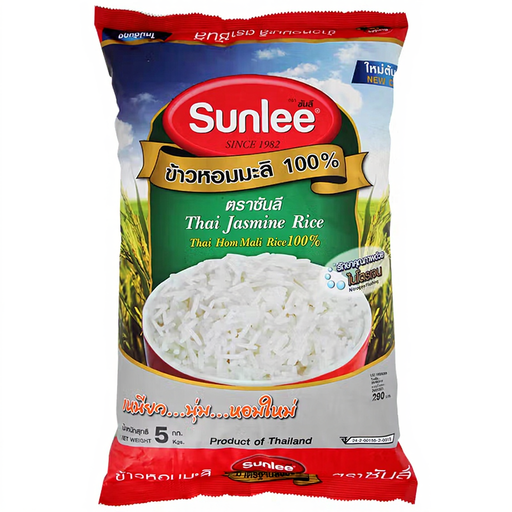
Why it suits this profile: The 5 kg size is manageable for anyone who wants to try Thai jasmine rice without buying a catering-sized pack straight away.
The product information states long grain, origin Thailand and a 5 kg pack size. This makes the difference between it, sushi rice and larger packs clearer.
100% long grain jasmine rice according to the product information, supplied in a reusable bag and suitable for everyday Asian dishes.
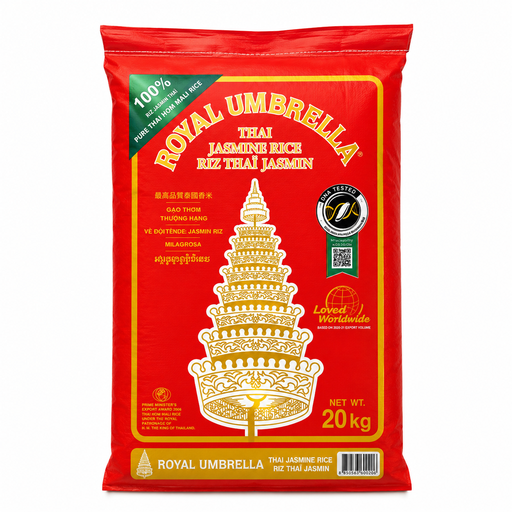
Why it suits this profile: This large pack is aimed at buyers who value the Thai Hom Mali designation and a soft, aromatic rice texture.
The product description states 100% Thai Hom Mali Jasmine Rice, country of origin Thailand and a 20 kg size. Check these details on the label when your order arrives.
100% Thai Hom Mali according to the product information, with long grains and a soft, light texture when cooked, ideal for curries and grilled dishes.
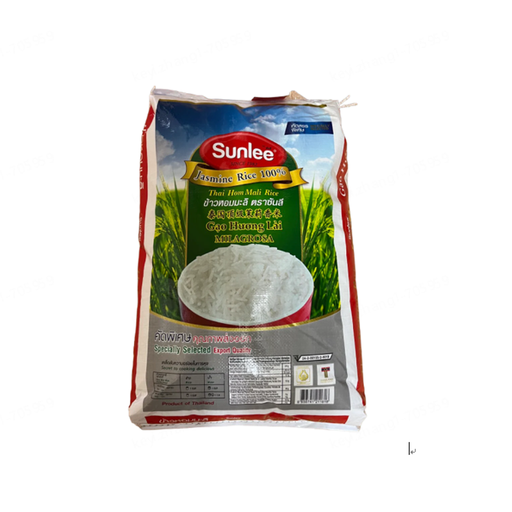
Why it suits this profile: The 18 kg bag is a good fit for restaurants, caterers and large families that prepare rice regularly.
The product clearly states the weight, rice type and uses such as steamed rice, fried rice and Asian dishes.
Large 18 kg pack, 100% Thai Hom Mali according to the product information, and suitable for vegetarian and vegan dishes.
We have put together a complete, up-to-date list of products that fully meet these strict selection criteria and the applicable European safety regulations.
Store an opened bag in a cool, dry place, away from sunlight, heat and moisture. Seal the packaging securely or transfer the rice to a clean, airtight container. Do not use a product if its packaging is damaged.
Rinse the rice according to the instructions on the label. Rinsing can remove excess starch, but the correct amount of water varies by brand and cooking method. Leave the rice to rest for a few minutes after cooking before fluffing it up. This helps the grains stay more intact when served with curry, stir-fries and rice bowls.
According to the product information, several of the varieties mentioned are listed as gluten-free or free from the major EU allergens. Rice itself is naturally gluten-free. If you have coeliac disease or a severe allergy, always check the current ingredients list and any cross-contamination information on the packaging.
For regular use, 5 kg is often a practical starting size. Large families that eat rice several times a week may want to consider 10 kg. An 18 kg or 20 kg pack is mainly worthwhile when the rice will be used quickly and you have enough dry storage space.
You can technically do so, but the result will differ from sushi rice. Thai jasmine rice is long grain and generally stays looser. For sushi, it is better to choose a product labelled short grain, Japonica or sushi rice. For curries, stir-fries and everyday meals, jasmine rice is generally the more natural choice.
