
Vandaag of morgen in huis

Kwaliteit gegarandeerd

Welkomstaanbiedingen ontgrendelen: GRATIS bezorging | Tot 80% korting | Gratis 30 dagen JoyPlus-proefperiode
Download de app
Thai instant noodles are handy for a quick lunch, a late-night snack or a simple meal on busy days. However, not every packet is suitable for every situation. A serving of 55 or 60 grams can be too small for a full meal, while a bulk pack is impractical if you only eat noodles occasionally.
Terms like “authentic flavour”, “creamy” and “shrimp flavour” also don’t tell the whole story. So before you buy Thai noodles, be sure to check the serving size, preparation method and allergens.
With products featuring prawns, chicken or Tom Yum, the name often refers to the flavour profile. That doesn’t automatically mean there’s a large amount of chicken or prawns inside. The ingredients list may, for example, show a small percentage of prawn powder. If you’re expecting real pieces of protein, you could end up disappointed.
A box of 24 or 30 sachets may look appealing, but check the price per serving and the best-before date. A bulk pack of instant noodles is best suited to families, offices, student houses or business buyers who use the product regularly.
A vegetable flavour isn’t automatically vegetarian. Always check the full ingredients list and allergen information. Some flavour mixes may contain animal-based flavourings, fish ingredients or shellfish. The product packaging is the definitive source; online information can change.
Individual sachets of 50 to 60 grams are suitable as a snack or light meal. Variants of around 70 to 90 grams generally offer more substance. A cup or bowl is practical when you don’t have a pan and bowl to hand, whereas a sachet usually takes up less packaging volume.
Also pay attention to the difference between wheat noodles, rice noodles and flat rice noodles:
Most instant noodles are ready in 3 to 5 minutes. Do check whether you only need hot water or whether you need to boil them first. With some products, the seasoning powder, oil and chilli paste are added separately. This gives you more control over the flavour, but also requires a bowl and possibly a pan.
Follow the instructions on the packet. Use hot water carefully and only cover a bowl when the preparation instructions say to do so.
Many Thai instant noodles contain wheat, soya, milk, egg, fish, prawns or other shellfish. Some variants also list celery or sesame. So read the label, especially if you have an allergy or intolerance.
Also compare the nutritional values per 100 grams and per serving. The amount of salt indicated varies from product to product. If you add extra soy sauce, fish sauce or ready-made stock, you’ll increase the total salt content further. The nutritional information on the packaging takes precedence if online data differs.
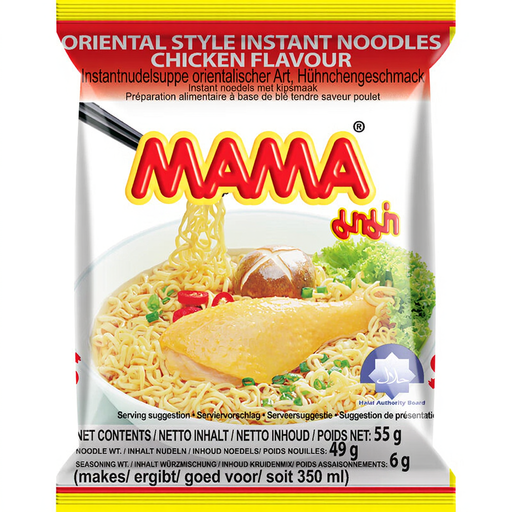
Why this fits the profile: A single 55g sachet is a handy way to try a classic chicken flavour without ordering a whole box straight away.
The packaging makes the serving size clear. Do check the current allergen information before purchase: according to the product data, this item contains wheat and soya.
55g per sachet, chicken seasoning and preparation with boiling water in around 3 to 4 minutes.
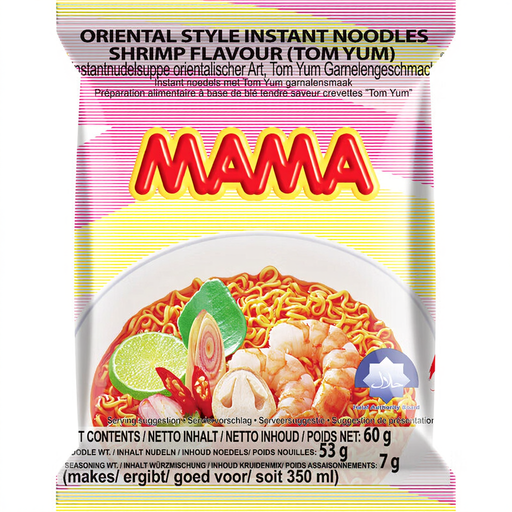
Why this fits the profile: If you’re after a distinctive Thai flavour, you get a serving with a creamy Tom Yum taste, seasoning mix and chilli paste.
The flavour components are packed separately, so you can adjust the amount of chilli paste. The product data lists wheat, soya, milk and prawns among others.
60g per serving, preparation in around 3 to 4 minutes and a combination of seasoning mix and chilli paste.
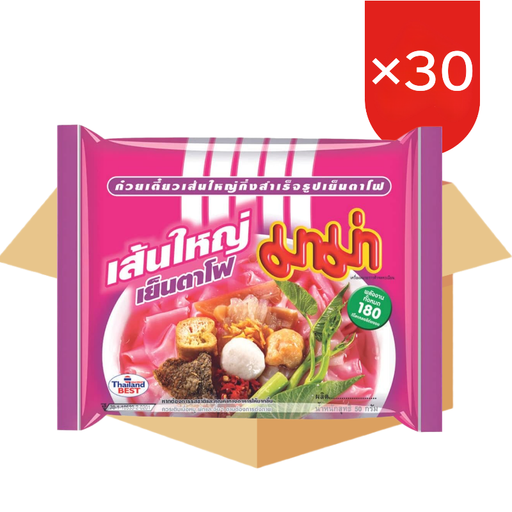
Why this fits the profile: This box of 30 servings is suitable for frequent users, offices, catering-style stock or families who eat Asian noodles regularly.
The contents aren’t hidden in a bulk pack: 30 individual 50g sachets are clearly stated. Check the best-before date before stocking up.
Flat rice noodles, Yentafo flavour and a preparation method where the noodles are boiled for 2 to 3 minutes.
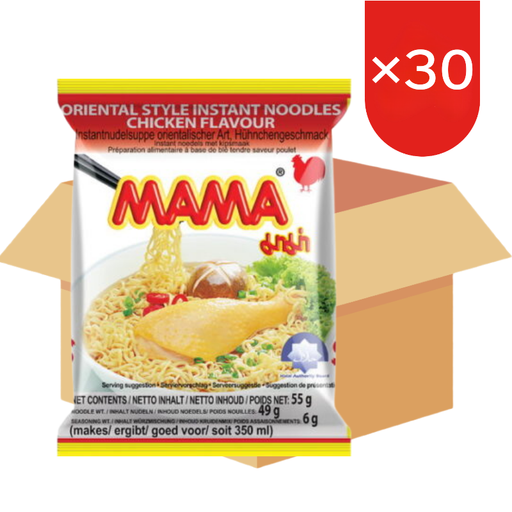
Why this fits the profile: The box contains 30 individual servings and is therefore suitable for shared use, stock management and a quick meal at work.
The individual sachets make consumption easy to plan. Do check whether the flavour and allergens suit all users; according to the product information, this variant contains wheat and soya.
30 servings of 55g, a savoury chicken base and preparation with boiling water in around 3 to 4 minutes.
We’ve put together a full, up-to-date list of products that fully meet these strict selection criteria and comply with current European safety regulations.
Instant noodles are usually a basic product. You can supplement them with ingredients that suit your preferences:
A product with rice noodles can be an alternative for those who prefer a smoother texture. If you’re specifically looking for vegetarian instant noodles, you should also check whether the packaging carries a reliable vegetarian label and what possible traces are mentioned.
This varies by product. With many sachets, you put the noodles and seasoning in a heatproof bowl, add boiling water and leave everything to stand for 3 to 5 minutes. Other variants need to be boiled for 2 to 3 minutes. Always follow the instructions on the packet.
The best-before date is on the packaging. Store unopened products in a cool, dry place away from direct sunlight. Don’t use a sachet if the packaging is damaged. Once opened, according to the product information, it’s best to prepare and consume the product straight away.
Not necessarily. Compare the total price with the number of sachets and calculate the price per serving. A bulk pack of instant noodles can be practical for regular use, but individual packets are a wiser choice if you want to try different flavours first.
