
Vandaag of morgen in huis

Kwaliteit gegarandeerd

Welkomstaanbiedingen ontgrendelen: GRATIS bezorging | Tot 80% korting | Gratis 30 dagen JoyPlus-proefperiode
Download de app
Thai curry paste makes it easy to prepare curry, soup or a stir-fry at home. Yet the range in shops and online often looks more similar than it actually is. A red curry paste, for example, may contain prawns, while a product with a similar colour is completely plant-based. Pack sizes also vary widely in terms of weight, salt content, heat level and ease of use.
As a Joybuy Product Recommendation Officer, I focus on verifiable information on the label: ingredients, allergens, weight, storage instructions and intended use. This way, you avoid buying a large jar that doesn't suit how often you cook, or choosing a vegan curry paste that unexpectedly contains soya, peanuts or sesame.
Red curry paste, green curry paste and yellow curry paste each have their own spice base, but colour is not a reliable indicator of heat. The product description from Koh Thai describes green curry paste as hotter than the red variety. Also check the type of chilli used, the recommended quantity and the preparation instructions.
Panang curry paste is generally suitable for a richer curry with coconut milk. Massaman curry paste often contains spices such as cumin, cinnamon, cloves and cardamom. This gives a different flavour profile to a fresh green curry. If you pick a random jar without comparing, you could end up with a dish that doesn't match the recipe you had in mind.
Brands may describe their recipe as traditional or authentic, but that says nothing about allergens or nutritional values. According to the product information for Nittaya Red Curry Paste, the paste contains shrimp paste and therefore crustaceans. The green variety from Nittaya also contains shrimp paste.
If you cook vegetarian or vegan food, you must check the label. The Sunlee Vegan Yellow Curry Paste and Sunlee Vegan Massaman Curry Paste are described as vegan in their product descriptions. Fairtrade Thai Green Curry Paste is described as plant-based and, according to the information provided, contains none of the 14 major EU allergens. Always check the current packaging, especially if you have an allergy.
A 400 g jar or a 1 kg pack may look appealing for bulk use, but once opened, curry paste usually needs to be stored in the fridge. Nittaya Green Curry Paste 1 kg is therefore best suited to households that cook Thai food regularly, meal prep or use a professional kitchen.
For occasional cooking, a small pack such as Nittaya Red Curry Paste 50g is more practical. An opened product then won't sit unused for as long. Also pay attention to the recommended dosage: a product may seem cheap per meal, but a high salt content could mean it's not suitable for adding freely.
Check the ingredients list before you put a Thai spice paste in your basket. Pay particular attention to:
Sunlee Thai Panang Curry Paste 400 g is described as vegan according to the product information, but it does contain soya and may contain peanuts and sesame. 'Vegan' therefore doesn't automatically mean free from all allergens.
Choose the paste based on the dish you want to make:
A small pack of 50 to 225 g is practical for a household that likes variety. 400 g jars are more convenient if you make several dishes a month. For catering or bulk use, Nittaya Green Curry Paste 1 kg may be more appealing.
After opening, check the instructions on the packaging. The product information provided advises that several products be kept tightly sealed and refrigerated. Do not use any packaging that is damaged and check the best-before information on the label.
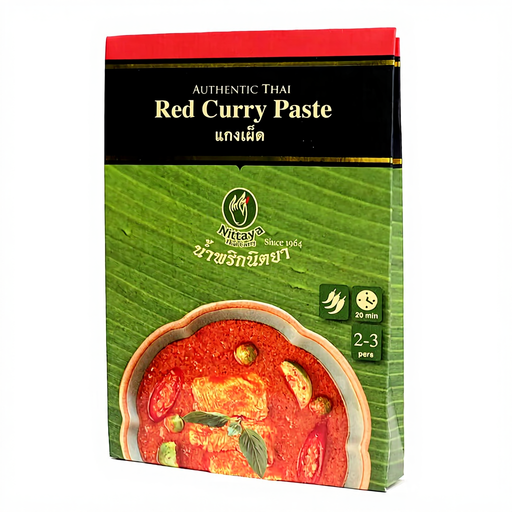
Why it fits this profile: The small pack is handy if you want to try Thai curry for the first time or only cook it occasionally.
You don't have to buy a large jar before you know how much you'll use. Do check that the product contains prawns and crustaceans.
50 g; can be used for curry, soup, marinade and stir-fries; ingredients list includes red chilli, lemongrass and galangal.
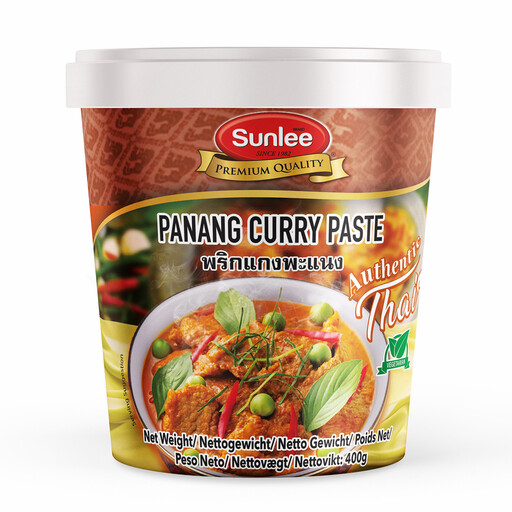
Why it fits this profile: The 400 g pack and its wide range of uses suit home cooks who make different Thai dishes more often.
The product information explicitly mentions uses for curry, soup, marinade and stir-fries. Check before purchase for the presence of soya, peanuts and sesame.
400 g; described as vegan according to the product description; contains, among other things, chilli, lemongrass, galangal, kaffir lime and coriander seed.
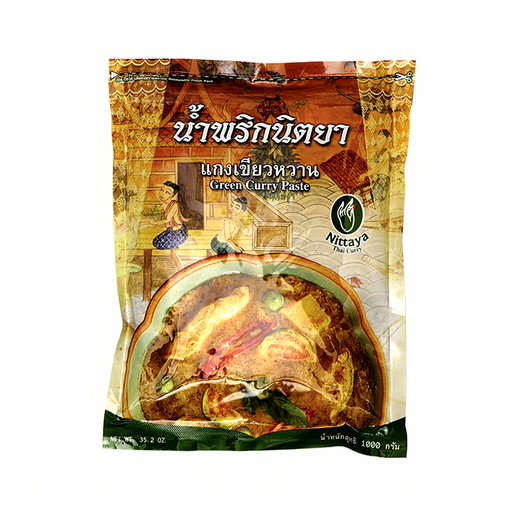
Why it fits this profile: A kilo is aimed at frequent cooking, meal prep, catering or households that prepare large portions.
The large pack avoids multiple small purchases, but only makes sense if you use the paste regularly. The product contains shrimp paste.
1 kg; green chilli, lemongrass, garlic, shallot and galangal; suitable for curry preparations on a larger scale.
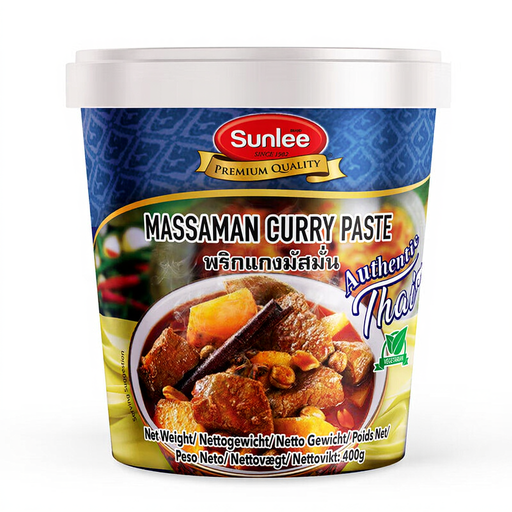
Why it fits this profile: The paste is described as vegan according to the product description and can be combined with coconut milk, vegetables, tofu or plant-based proteins.
You don't have to guess whether it contains shrimp paste. Do check the current packaging and the stated soya allergy information.
400 g; spices such as chilli, lemongrass, galangal, cinnamon, cloves and cardamom; usable for curry, soup, marinade and stews.
We've put together a full, up-to-date list of products that fully meet these strict selection criteria and current European safety regulations.
A small pack of red curry paste is practical to start with. You can gradually build up the amount with coconut milk, vegetables, tofu, chicken or fish. Check the heat level and allergens beforehand. A tom yum paste is more suitable if you specifically want to make soup rather than a classic curry.
Always follow the instructions on the packaging. For many products, this means: seal tightly and refrigerate. Use a clean spoon to limit cross-contamination and pay attention to smell, colour and best-before information. The date and any 'use within' instruction on the label are your guide.
No. Red curry paste, green curry paste and panang curry paste often contain shrimp paste or fish. Only choose a vegan curry paste when vegan status is clearly stated on the packaging, and also check for soya, peanuts, sesame and other allergens. Products such as Sunlee Vegan Yellow Curry Paste and Sunlee Vegan Massaman Curry Paste are described as vegan according to the product information provided.
