
Vandaag of morgen in huis

Kwaliteit gegarandeerd

Welkomstaanbiedingen ontgrendelen: GRATIS bezorging | Tot 80% korting | Gratis 30 dagen JoyPlus-proefperiode
Download de app
Thai curry paste makes it easy to prepare curry, soup, marinade or a stir-fry at home. However, not every jar is suitable for every dish. A green curry paste can be considerably hotter than a yellow variety, while a large pack can be impractical if you only make Thai curry occasionally.
When comparing, don’t just look for words like “authentic” or “traditional”. Instead, check the ingredients, allergens, net weight and recommended cooking method. This way, you’ll avoid buying a product that’s too salty, too spicy or not suited to your diet.
Green curry paste is often associated with a fresh flavour, but green chillies can actually deliver a noticeable kick. Red curry paste usually contains dried red chillies and can be equally hot. Yellow curry paste often includes turmeric and spices, and is frequently described as milder in product descriptions. Always check the cooking instructions and start with a smaller amount.
Some Thai curry pastes contain shrimp paste, fish sauce or shellfish. This applies, for example, to various red and green varieties. Other products are completely plant-based. So don’t just look at the front of the packaging – also check the full ingredients list and allergen information.
A 400 g jar or a 1 kg bag can be practical for families, meal preppers or professional kitchens. For occasional use, however, a pack of 50 g to 95 g may be more suitable. Once opened, curry paste should generally be stored tightly sealed and often refrigerated, according to the product information. Buying a large pack to save per portion works less well if some of it goes unused.
So the colour is a first clue, not a guarantee of flavour. The order of ingredients shows which components are present in relatively larger amounts.
If you’re planning a vegan dish, pay extra attention to shrimp paste, fish sauce and shellfish. Some products also list soya, peanuts, sesame or nuts as allergens. A product free from the 14 major EU allergens can be simpler for certain households, but always check the current label before each purchase.
For example, Sunlee Thai Panang Curry Paste contains soya according to the product information, and may contain peanuts and sesame. Nittaya Red Curry Paste contains shrimp and shellfish. The Fairtrade Thai Green Curry Paste (70 g) is made with plant-based ingredients according to the product information provided, and contains none of the 14 major EU allergens.
A usage guide of around two tablespoons for two people helps you compare packs. Small jars are handy for trying a variety first. For regular cooking, 225 g, 400 g or 1 kg may be more practical.
Also compare the nutritional values per 100 g. Salt content varies widely between products. A curry paste with 14 g of salt per 100 g calls for restrained use and possibly less extra fish sauce, soy sauce or salt in the dish.
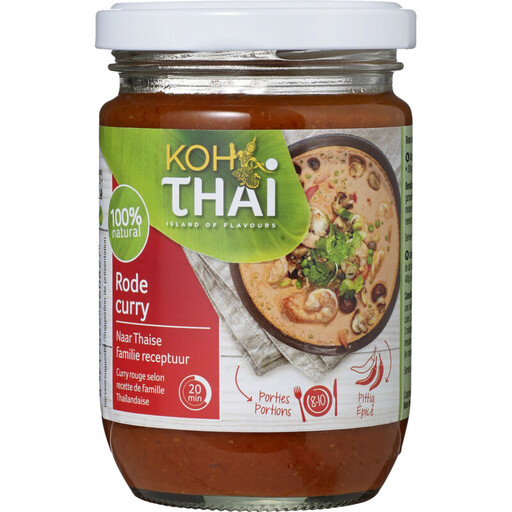
Why this fits the profile: The 225 g pack gives you room to make several curries without buying a bulk pack straight away. According to the product information, the paste is gluten-free and contains none of the 14 major EU allergens.
The net weight is medium-sized and the usage guide mentions around two tablespoons for two people. This helps you adjust the quantity more easily.
225 g, red chilli as a base and suitable for curry, soup and marinade according to the product information.
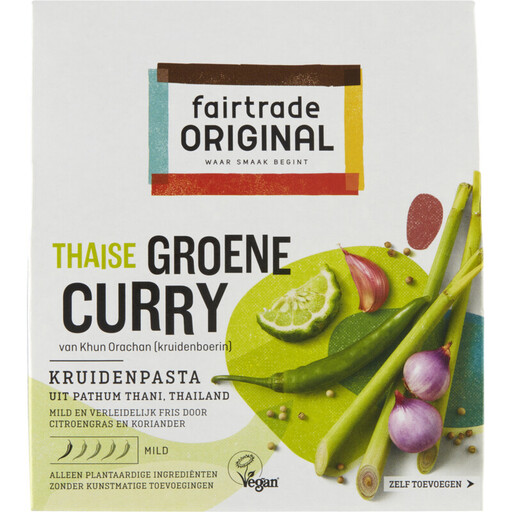
Why this fits the profile: This small pack is ideal for anyone who values ingredients and origin, and wants to try a green variety first.
The 70 g net weight limits waste if you don’t make Thai curry often. Always check the current preparation information on the label.
According to the product information: plant-based ingredients, no artificial additives, and prepared and packed in Thailand.
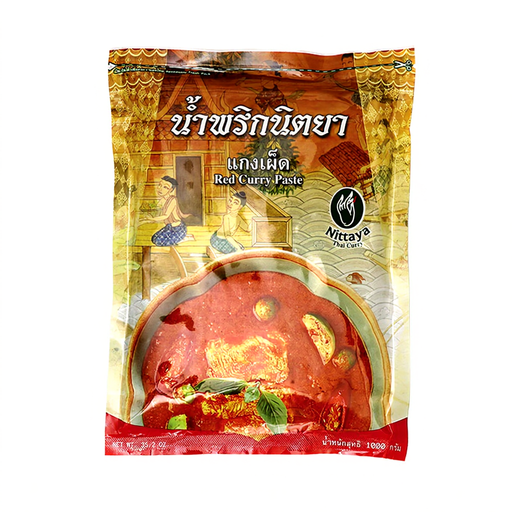
Why this fits the profile: The 1 kg pack suits high-volume use, meal prep, professional kitchens and households that cook red curry regularly.
The large net weight reduces the need for many small packs, but is only practical if you use enough and store it refrigerated after opening.
1 kg, red chilli as the main ingredient and suitable for curry, soup, marinade and stir-fries according to the product information.
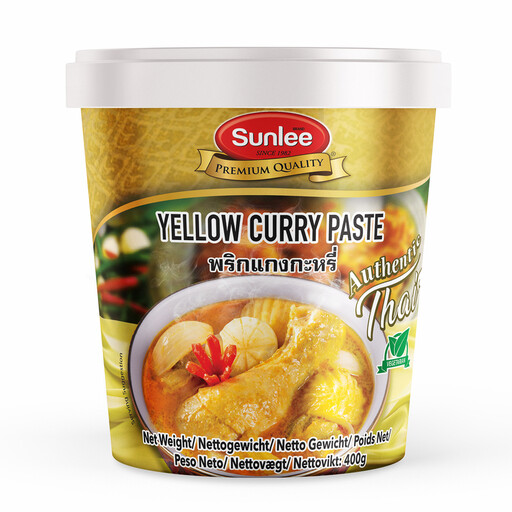
Why this fits the profile: According to the product information, this yellow curry paste is vegan, gluten-free and suitable for vegetarian and vegan dishes.
The product information explicitly states vegan suitability. Still check the packaging if you need to consider allergies or cross-contamination.
400 g, yellow curry with turmeric and suitable for cooking with coconut milk, tofu or vegetables according to the product description.
We’ve put together a full, up-to-date list of products that fully meet these strict selection criteria and comply with current European safety regulations.
A simple base consists of curry paste, coconut milk, vegetables and a protein source such as tofu, chicken, fish or pulses.
With a hot curry paste, start with less than the recommended amount. You can always add more paste later, but thinning out a sauce that’s too spicy requires more ingredients.
Most green, red, yellow and Panang curry pastes are designed to be cooked with coconut milk. Check the pack for the exact ratio. Some products, for example, recommend 50 g of paste with 400 g of coconut milk.
This varies by product. Store an opened pack tightly sealed and follow the instructions on the label. For many products, refrigeration after opening is recommended. Pay attention to smell, colour, texture and the stated shelf-life information.
Choose a product that clearly states vegan or plant-based suitability and check the ingredients list. Avoid pastes containing shrimp paste, fish sauce, fish or other animal-derived ingredients.
