
Tennis fans on a wide sofa
You watch with others from seats off-centre and want everyone to have a clear view of the court. The Consumentenbond identifies a wide viewing angle as an advantage when several people are watching sport together.


For watching tennis from seats off-centre, OLED is a sensible place to start. An LCD TV with an IPS panel is also worth comparing if you’re happy to accept the potential loss of contrast compared with VA. Also compare the viewing angle, reflections and motion handling of the exact model: a high stated refresh rate alone doesn’t guarantee smooth-looking tennis.
You watch with others from seats off-centre and want everyone to have a clear view of the court. The Consumentenbond identifies a wide viewing angle as an advantage when several people are watching sport together.
You’re mainly interested in how the TV handles the fast-moving ball and tracking camera, not just its stated refresh rate. The Consumentenbond points out that a TV signal is usually 50 Hz; interpolated frames can make motion look smoother, but can also cause picture artefacts.
You often watch while light from the windows falls on the screen. According to the Consumentenbond, LCD TVs can often be very bright, which can be useful in a light room; assess reflections separately too.
Start with the seating and light in your room, then compare how the specific TV handles fast-moving action.
| What to consider | What should you check? | Who is this important for? |
|---|---|---|
| Picture from the seats at the sides | Check independent viewing-angle measurements for the exact model and compare the picture from the furthest seat. | If I’m watching from the end of the sofa, I want colours and contrast to remain clear. That’s why around 36% of consumers put viewing angle first. |
| Rallies and camera movement | Compare motion-handling tests and try different motion settings with a sports broadcast. | When I’m following fast rallies, I want to keep the ball in view without distracting motion artefacts. Around 29% of consumers give motion handling top priority. |
| Visibility in daylight | Compare reflection measurements for the exact model and view the screen from the side seats in the daylight that reaches your room. | If daylight from the windows falls on the screen during a tennis match, I want to be able to follow it clearly from my seat. Around 21% of consumers prioritise visibility in daylight. |
| Screen size and running costs | Measure the viewing distance from your seats and compare the energy labels of the models you’re considering. | If I’m watching from further away, I want a screen size that suits the distance and to take power consumption into account too. Around 14% of consumers give screen size and running costs top priority. |
The Consumentenbond suggests around 2.4 times the screen diagonal as a comfortable starting point for viewing distance. Use this as a guide, and also check how large the court looks from the furthest seat.
These terms alone don’t tell you what the picture looks like from the end of the sofa; with LCD, the panel type also matters.
Compare the viewing angle of the exact model from the furthest seat.
Interpolated frames can make motion look smoother, but they can also create visible artefacts when the movement is difficult to predict.
Assess a sports broadcast using different motion settings.
Viewing angle and reflections are separate factors; daylight may be more distracting from a seat at the side.
Compare both test results and check how your setup relates to the windows.
A stated manufacturer’s warranty period doesn’t automatically limit your rights with the retailer.
Read the warranty terms and consider your statutory rights separately.
The OLED evo C6 range is worth considering when comparing OLED models and screen sizes. LG lists model OLED55C68LA, among others.
The S95H OLED range is an option to compare if you have a wide seating arrangement or a room where reflections may be an issue. For the 65-inch version, Samsung lists model QE65S95HFTXXN.
The OLED810/12 shown in the Netherlands combines OLED with Ambilight, making it an option if you’re also looking for that lighting feature.
The BRAVIA 8 II is a QD-OLED option to compare for picture quality and viewing angle.
These Joybuy products are OLED TVs in a range of screen sizes, for watching tennis from seats off-centre. Compare viewing angle, reflections and motion handling for each model; refresh rate alone doesn’t determine how a broadcast will look.
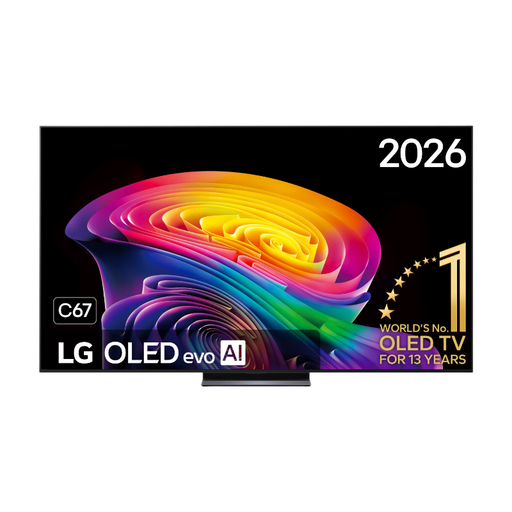 No image available
This OLED TV is worth considering when comparing models for several viewers seated off-centre; check the viewing angle of this exact model.
The product name lists an 83-inch screen diagonal, 4K, 120 Hz and VRR up to 165 Hz. The stated refresh rates don’t guarantee flawless tennis pictures.
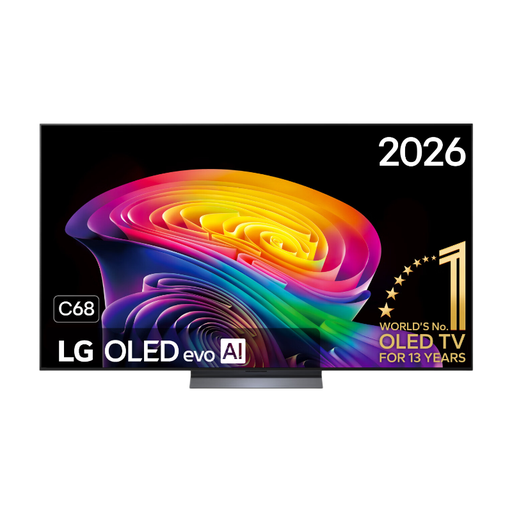 No image available
This OLED TV is an option to compare for seats off-centre; check the viewing angle and reflections for the exact model.
The product name lists a 65-inch screen diagonal, 4K, 120 Hz and VRR up to 165 Hz. The stated refresh rates alone don’t tell you how smooth a tennis broadcast will look.
No image available
This OLED TV is an option if you want to include seats off-centre in your comparison; check the viewing angle of this specific model.
The product name lists a 55-inch screen diagonal, 4K, a native refresh rate of 120 Hz and VRR up to 165 Hz. These figures don’t guarantee flawless motion handling.
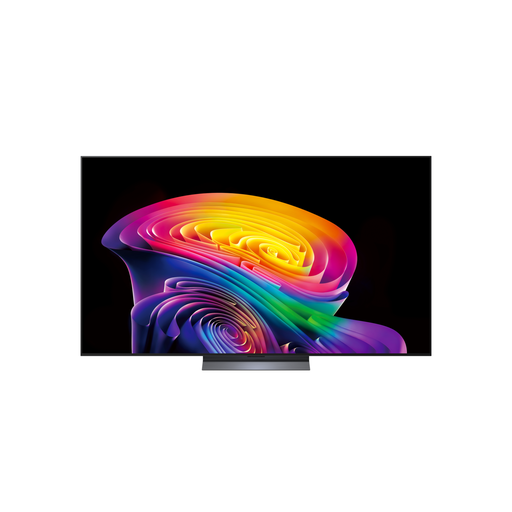 No image available
This OLED TV is an option for comparing the picture from seats off-centre; check the viewing angle of the exact model and whether the screen size suits your viewing distance.
The product name lists a 42-inch screen diagonal and 4K Ultra HD.
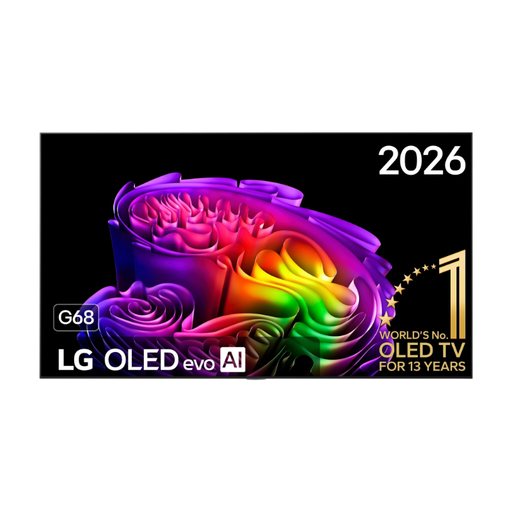 No image available
This OLED TV is an option to compare for a seating arrangement off-centre; check the viewing angle and reflections for this specific model.
The product name lists a 55-inch screen diagonal, 4K, 120 Hz and VRR up to 165 Hz. The product description mentions integrated wall mounting; a tabletop stand isn’t included.
No, not for that alone. According to the Consumentenbond, a TV signal is usually 50 Hz; the TV can generate interpolated frames, but this may cause picture artefacts when movement is difficult to predict. Compare the actual picture during sport rather than looking only at the stated refresh rate.
Measure the distance from the seats you actually use. The Consumentenbond suggests around 2.4 times the screen diagonal as a comfortable starting point; also check the model’s viewing angle from the furthest seat.
Follow the instructions for the model you’ve bought. LG advises unplugging its TVs, letting the screen cool and gently cleaning it with a soft microfibre cloth. LG advises against using alcohol, glass cleaner or spraying water directly onto the screen.
Compare the energy labels and product information for the models you’re considering. Dutch statutory consumer rights apply alongside manufacturer or retailer warranties. According to ACM ConsuWijzer, the retailer is responsible for providing an appropriate solution if a product breaks too soon under normal use.
According to ACM ConsuWijzer, a new television ordered online is generally covered by a statutory 14-day cooling-off period from delivery. Before buying, also check the terms for trying and returning a large appliance.