What should you look for when choosing?
OLED TV
A good fit if: you mainly watch in a dark room and deep blacks or a wide viewing angle are important to you.
Keep in mind: an OLED label doesn’t tell you everything about the motion processing of the specific model. Image retention is also worth considering if you leave static images, such as scoreboards, on screen for long periods. A 2017 Consumers' Association test covered models available at the time and doesn’t provide a risk percentage for current TVs.
LCD TV with local dimming
A good fit if: you also often watch in daylight or place a lot of importance on price and screen size.
Keep in mind: blacks may look less deep, and the backlighting may be uneven. QLED or mini-LED alone doesn’t prove how well a specific model addresses these issues.
Once you’ve chosen a screen technology, compare it with the motion test for the exact model, your viewing distance and the broadcasts you usually watch.
| What to consider |
What should you check? |
Who should pay particular attention? |
| Following the ball and movement |
Compare motion blur and response time for the exact model, and watch representative tennis footage if possible. RTINGS and the Consumers' Association both highlight motion as a factor to consider for sport. |
If I want to keep track of the ball and fast camera movements, I look beyond the Hz figure on the box. Around 36% of consumers prioritise motion clarity. |
| Contrast in the dark |
Compare black levels and any light bleed on the specific TV, not just the panel type. The Consumers' Association describes the differences between OLED and LCD backlighting. |
For evening matches, I want deep blacks and as little distracting light around dark images as possible. Around 29% of consumers give dark-room contrast top priority. |
| Screen size and seating |
Measure the distance between your seat and the screen, and check the picture from seats to the side. The Consumers' Association cites around 2.4 times the screen diagonal as a finding from its own viewing-distance research; this is a guide, not a fixed rule. |
If I watch with others from different seats, I want a screen size that suits the distance and still looks comfortable from the side. Around 21% of consumers prioritise screen size and viewing angle. |
| Weighing up running costs |
Compare the EU energy labels for the specific models and check the warranty terms. The manufacturer's warranty does not replace your statutory rights against the retailer. |
When weighing up the purchase price, energy use and support together, I want to compare the details of the exact models side by side. Around 14% of consumers prioritise the total cost of ownership. |
TVs at Joybuy
This selection includes OLED TVs to compare if you’re looking for deep blacks in a dark room, plus a QD-Mini LED TV as an LCD alternative. The refresh rates listed are product specifications, not independent measurements of tennis picture quality.
 No image available
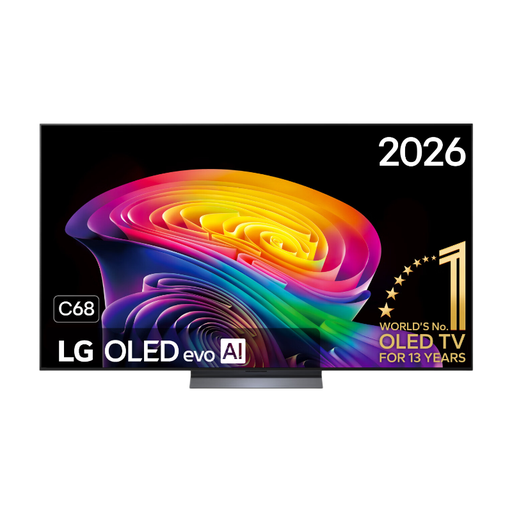
LG OLED65C68LA OLED evo 65-inch 4K Smart TV
The OLED panel makes this a model worth comparing if deep blacks matter to you. Check that the 65-inch size suits your viewing distance.
Specifications: 4K; α11 AI Processor 4K Gen3; 120 Hz; VRR up to 165 Hz.
View at Joybuy
No image available
LG OLED55C68LA OLED evo 55-inch 4K Smart TV
This 55-inch OLED model is worth comparing if deep blacks matter to you and you want to match the screen size to your viewing distance.
Specifications: 4K; α11 AI Processor 4K Gen3; 120 Hz native; VRR up to 165 Hz.
View at Joybuy
 No image available
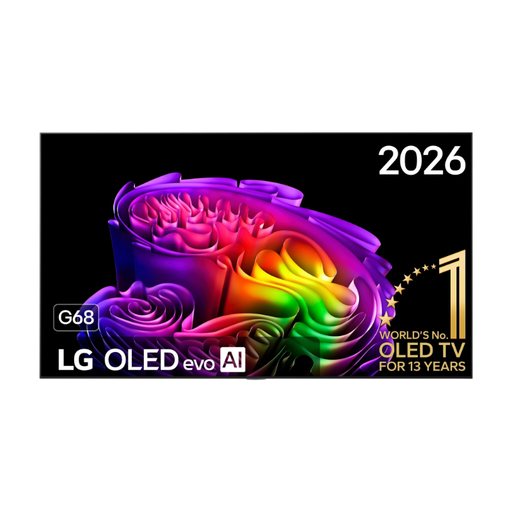
LG OLED55G68LW OLED evo 55-inch 4K Smart TV
The OLED panel makes this model worth comparing if deep blacks matter to you. Also check that the intended wall mounting suits your set-up.
Specifications: 4K; α11 Gen3 AI Processor; 120 Hz; VRR up to 165 Hz. This version is designed for wall mounting; a table stand is not included.
View at Joybuy
 No image available
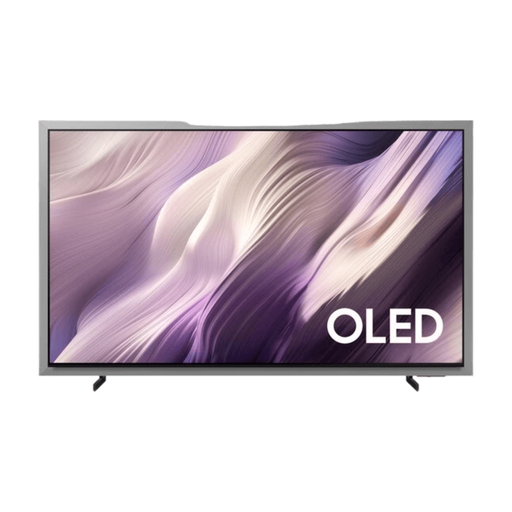
Samsung QE55S99HATXXN QD-OLED TV, 55 inches (2026)
A 55-inch QD-OLED model to compare if you want to weigh up OLED technology against your viewing distance and the motion in tennis footage.
Specifications: QD-OLED; 55 inches; 2026.
View at Joybuy
 No image available
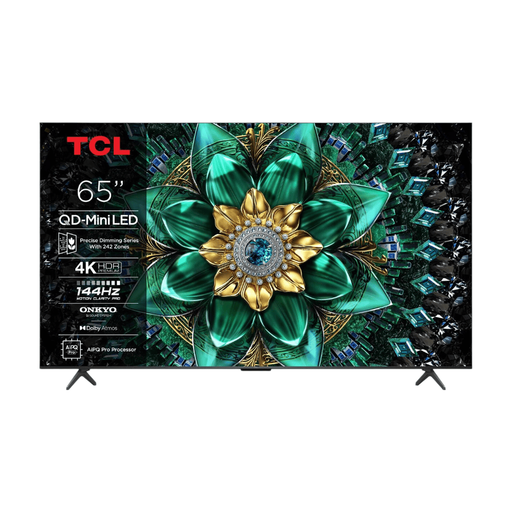
TCL 65Q6C QD-Mini LED TV, 65 inches, 4K
This QD-Mini LED model is an LCD alternative to compare if you also watch in conditions other than a dark room. Check the black levels of the exact TV.
Specifications: 4K; 1000 nits; energy class F.
View at Joybuy
Frequently asked questions
Does a 4K TV make every tennis broadcast look sharper?
No, not automatically. According to the Consumers' Association, the level of detail also depends on how the footage was recorded and broadcast. So check the picture source as well as the screen resolution.
How should you set up your TV for watching tennis in a dark room?
Adjust the picture settings to suit the lighting conditions you usually watch in. The Consumers' Association recommends trying different picture modes and assessing brightness and contrast in your normal viewing environment.
Where can you compare TV power consumption?
Compare the EU energy labels for the exact models, and take screen size and viewing conditions into account too. The European Commission explains the energy label scale for electronic displays.
Is the statutory guarantee on a TV in the Netherlands always exactly two years?
No. According to ACM ConsuWijzer, the statutory guarantee depends on what you could reasonably expect from the product under normal use. If a fault means it doesn’t meet those expectations, contact the retailer; a separate manufacturer’s warranty doesn’t change this.
Can you unpack a TV bought online to assess it?
For an online purchase, ACM ConsuWijzer says you generally have a statutory 14-day cooling-off period after delivery, and you’re allowed to unpack and try the product. Check ACM ConsuWijzer’s terms before using it further or returning it.


