What should you look for?
Start by considering the light in the room and where people will sit. The Consumentenbond highlights motion, viewing angle and visibility in ambient light as things to consider. Then compare models based on the features that matter for your set-up.
OLED
A good fit if: you usually watch in dim lighting, films matter to you and people also sit at an angle to the screen.
Trade-off: brightness needs extra consideration in rooms with lots of direct light. With OLED, it’s also worth following the usage advice if the same image is displayed for a long time.
Mini LED LCD
A good fit if: you watch during the day and brightness matters in your room.
Trade-off: black levels, viewing angle and reflections vary by model, so compare these as well as brightness.
Other LCD or QLED TVs
A good fit if: you want to weigh up screen size and other model features against OLED or Mini LED.
Trade-off: QLED is also LCD. The label alone doesn’t tell you how a model handles fast-moving tennis.
| What to consider |
What to look for when buying |
Who it matters more to |
| Smooth tennis action |
Check the native panel refresh rate of the exact model and compare reviews of its motion handling. |
If I want to follow fast rallies and camera pans clearly, I look beyond the hertz figure alone. Around 26% of consumers prioritise motion handling. |
| Contrast in a dark room |
Compare black levels and viewing angle in a set-up similar to your viewing room. |
If you watch tennis and films in a darkened room, you may value deep blacks and picture quality from different seats. Around 21% of consumers give contrast top priority. |
| Visibility in daylight |
Consider where the windows are and compare reflections and visibility in ambient light for the exact model. |
If I often watch during the day, I want to know how the screen handles the light in my room. Around 16% of consumers prioritise visibility in daylight. |
| Size and seating |
Measure the viewing distance and check the TV’s overall dimensions, including the stand, and its viewing angle. |
If I have a large sofa or several seats, I want the screen to suit the distance and layout. Around 21% of consumers prioritise screen size and a shared viewing angle. |
| Reception and use |
Check how you’ll receive the matches you want to watch, which connections you need and the EU energy label for the models you’re considering. |
If I want to keep using my existing equipment, I first check that it works with my TV reception source and sound system. Around 16% of consumers prioritise reception and overall running costs. |
Joybuy products for tennis and home cinema
This selection focuses on OLED TVs for home cinema, with a Mini LED model as an LCD alternative. Compare screen size and stated panel features with the light in your room, viewing distance and reception source.
 No image available
OLED77G68LW
The 77-inch version suits a large home cinema set-up where you’re considering OLED.
4K OLED; native refresh rate 120 Hz; VRR up to 165 Hz.
With a static image on screen for a long time, such as a scoreboard or channel logo, bear in mind the general OLED trade-off around potential image retention. The older Consumentenbond test referred to did not cover this model.
View at Joybuy
 No image available
LG OLED65C68LA, 65-inch
This 65-inch OLED version is an option to compare for a home cinema set-up for tennis and films.
4K OLED; native refresh rate 120 Hz; VRR up to 165 Hz; Dolby Vision and Dolby Atmos.
With a static image on screen for a long time, such as a scoreboard or channel logo, bear in mind the general OLED trade-off around potential image retention. The older Consumentenbond test referred to did not cover this model.
View at Joybuy
No image available
LG OLED55C68LA, 55-inch
This 55-inch OLED version gives you a smaller screen size to weigh up against the viewing distance in your room.
4K OLED; native refresh rate 120 Hz; VRR up to 165 Hz; Dolby Vision and Dolby Atmos.
With a static image on screen for a long time, such as a scoreboard or channel logo, bear in mind the general OLED trade-off around potential image retention. The older Consumentenbond test referred to did not cover this model.
View at Joybuy
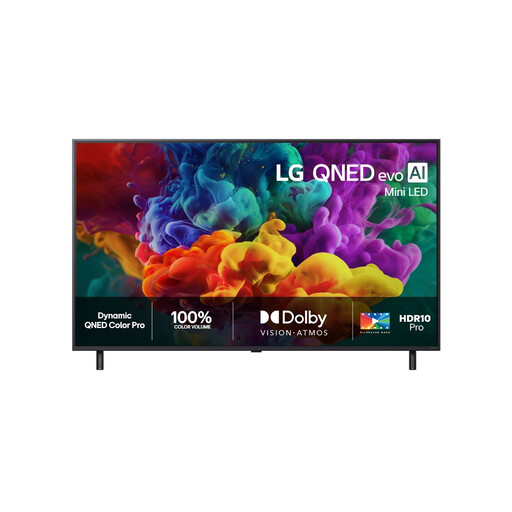 No image available
LG QNED85B6B, 86-inch Mini LED
This 86-inch Mini LED TV is a large LCD alternative to compare for a spacious home cinema.
4K Mini LED; 2,040 dimming zones; VRR up to 144 Hz.
View at Joybuy
 No image available
Samsung S85F Series GQ55S85FAU, 55-inch
This 55-inch OLED version is a screen size to compare for a home cinema set-up.
4K OLED; four HDMI connections.
With a static image on screen for a long time, such as a scoreboard or channel logo, bear in mind the general OLED trade-off around potential image retention. The older Consumentenbond test referred to did not cover this model.
View at Joybuy
Frequently asked questions
Does 120 or 144 Hz mean every tennis match is broadcast at that many frames per second?
No. The stated refresh rate is a panel feature of the specific model, not the frame rate of every broadcast or stream. Philips lists 120 Hz for the 65OLED760/12, while TCL lists a native 144 Hz for the 55C6K. Also compare motion handling and check your reception source.
Is OLED or Mini LED better for tennis and films?
OLED can suit a dim room and films where deep blacks and a wide viewing angle matter. A bright LCD or Mini LED model is also worth comparing if there’s lots of daylight. The Consumentenbond describes these as general differences, so assess reflections, viewing angle and picture quality for the exact model.
How do you choose the right TV size for your home cinema?
Measure the distance from the seats to where the screen will go, then compare it with the model’s screen size and viewing angle. Also check the overall dimensions, including the stand, to make sure the TV will fit in the intended space.
What should you bear in mind when watching an OLED TV for a long time?
Avoid leaving the same static image on screen for longer than necessary, and check the manual for the exact model. An older Consumentenbond test found temporary image retention after displaying a fixed logo for a long time, but it doesn’t set a fixed safe viewing time for current models.
Can you assume a new TV will show the tennis match you want to watch?
No. Before buying, check how you’ll receive the matches you want to watch and whether that method works with your equipment and any apps you use. Choosing a TV alone doesn’t confirm that a specific match will be available through your chosen source.


