
Vandaag of morgen in huis

Kwaliteit gegarandeerd

Welkomstaanbiedingen ontgrendelen: GRATIS bezorging | Tot 80% korting | Gratis 30 dagen JoyPlus-proefperiode
Download de app
High branches blocking the sunlight, dead branches posing a hazard, or simply a tree in need of a good pruning. It's a familiar job for anyone with a garden. The temptation to grab a ladder is strong, but it's often unstable and unsafe. A telescopic lopper seems like the perfect solution. Yet, a hasty purchase often leads to frustration and wasted money.
Before you make a choice, it's wise to understand the common pitfalls. Many models promise the world but fall short in practice. These are the three main areas where things often go wrong:
To avoid a purchase you'll regret, it's important to look beyond the packaging. Pay attention to a few technical specifications that make the difference between a useful tool and a source of frustration.
There are two main types of cutting mechanisms, each with its own purpose:
The choice, therefore, depends entirely on the type of pruning you do most often. For removing dead, high branches, an anvil lopper is often the better choice.
When you're looking for pruning tools for high branches, weight is a crucial factor. A few hundred extra grams may not feel like much at arm's length, but fully extended, it makes a world of difference. A lightweight lopper, often made of aluminium, is significantly easier and safer to handle. Steel is stronger, but also much heavier. Aluminium offers a good balance between durability and a manageable weight.
The usefulness of a telescopic lopper hinges on the reliability of its extension and locking mechanism. Look for a system that is easy to operate (even with gloves on) and that clamps the poles firmly in place without wobbling. A twist-lock or click-lock system is common. Check that the mechanism feels solid and is not made of brittle plastic.
Based on these criteria, we have selected a number of products that suit different gardeners and their specific jobs.
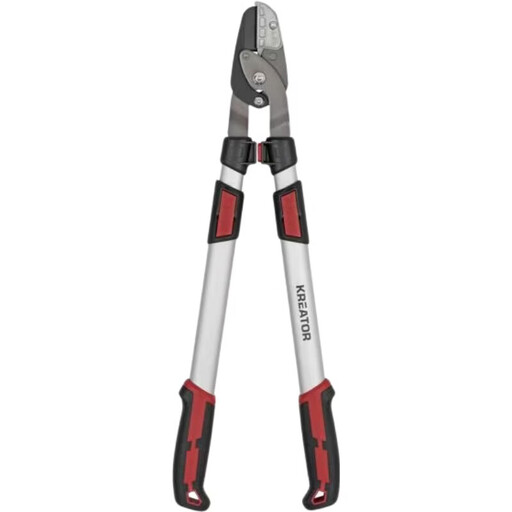
Why This Fits Their Persona: This lopper is designed for heavy-duty jobs. Perfect for the gardener who wants to safely and efficiently remove dead branches up to 40 mm thick at height without a ladder. The anvil mechanism is ideal for this type of wood.
According to Kreator, the lever system delivers up to 180% more power, which counteracts the pitfall of exaggerated cutting power claims. The aluminium construction keeps the weight manageable, ensuring it remains easy to handle even when extended.
Anvil mechanism for dead wood up to 40 mm. Extendable from 660 to 910 mm for a long reach. Blades with a non-stick coating.
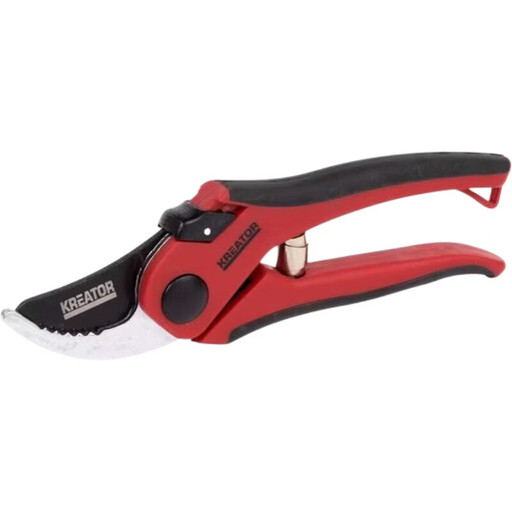
Why This Fits Their Persona: Not every job requires a long reach. For precision pruning of roses, shrubs, and young, living branches, a compact pruner that makes a clean cut is indispensable.
This is a specialised tool. It prevents the mistake of using a heavy anvil lopper for delicate pruning, which can damage the plant and is unnecessarily tiring.
Bypass mechanism for a clean cut on living wood. The upper blade has a non-stick coating to reduce friction. Sits comfortably in the hand thanks to soft-grip handles.
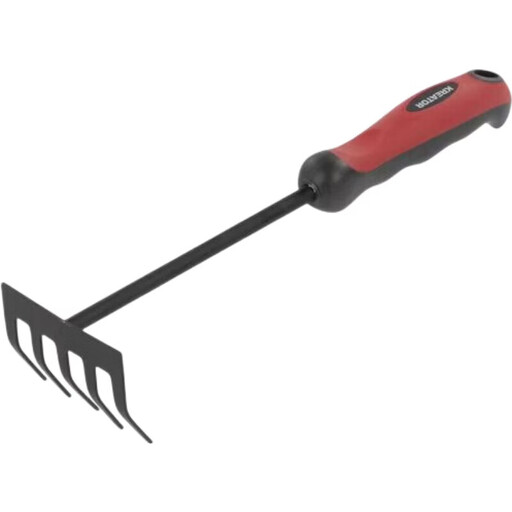
Why This Fits Their Persona: A healthy garden starts with the soil. For the gardener who also maintains flowerbeds and vegetable patches, a robust hand rake is essential for loosening soil and removing weeds.
This is a simple and purpose-built tool. It avoids the pitfall of overly complex 'all-in-one' tools that don't perform any single task well. This is simply a rake that does what a rake is supposed to do.
Made of high-quality steel with a protective coating against rust. The ergonomically shaped handle with soft grip ensures comfortable use.
We have compiled a complete, up-to-date list of products that meet these strict selection criteria and local regulations.
Proper maintenance is essential for a long lifespan. Clean the blades with a dry cloth after each use to remove resin and dirt. Occasionally lubricate the pivot point and the telescopic mechanism with a little oil. Store the lopper in a dry place to prevent rust.
A bypass lopper cuts like regular scissors and provides a clean cut, ideal for living wood. An anvil lopper crushes the branch against a metal block and is more powerful, making it better suited for hard and dead wood. Using the wrong type can damage the plant or the tool.
Yes, provided it is made from the right materials. A lightweight lopper made of high-quality aluminium is designed to offer a good balance between weight and strength. For extra power, many models, like the Kreator KRTGR40140, are equipped with a lever system that significantly reduces the required squeezing force.
