
Loose-leaf green tea enthusiast
You want control over the temperature and brewing time, and to decide whether a removable or automatic tea basket is worth the extra cleaning.


If you want to brew loose-leaf tea in the kettle, choose a tea maker with a tea basket and check how you can control the brewing time. If you mainly heat water for one or two cups, a kettle with a suitable temperature setting may be simpler. With either type, check the minimum fill level and how much cleaning is involved.
You want control over the temperature and brewing time, and to decide whether a removable or automatic tea basket is worth the extra cleaning.
You want water at a suitable temperature for a mug or your own teapot, without a lengthy brewing programme.
You’re mainly concerned with the minimum water level and easy maintenance, so the kettle suits the amount you need for your break.
First decide whether you want to brew tea in the appliance or simply heat water. Then compare the temperature settings, minimum fill level and cleaning requirements.
| What to consider | What should you check? | Who should pay particular attention? |
|---|---|---|
| Temperature for green tea | Check the individual temperature settings for the exact model. Bosch specifies 70 and 80 °C for the TWK8613P; Philips lists 80 °C for the HD9359/90, with no separate 70 °C setting. | If you brew different types of green tea, you’ll want to adjust the water temperature to suit. Around 36% of consumers prioritise temperature control. |
| Loose-leaf tea and brewing time | Check whether a tea basket is included and whether you need to time the brewing yourself or the basket is lifted automatically. Sage describes this automatic movement for the Tea Maker STM800BSS4EEU1. | If you want to brew loose-leaf tea directly in the kettle, check the basket and how the brewing time is controlled. Around 29% of consumers give this top priority. |
| Small servings | Compare the stated minimum fill level and water-level indicator with the amount you usually need; don’t assume the minimum fill level based on the maximum capacity. | If you’re making one or two cups for a break, you won’t want to heat more water than you need. Around 21% of consumers focus on suitability for small amounts. |
| Cleaning and everyday use | Check how to clean the kettle and filter, and read the instructions and stated safety features for the exact model. | If you use the appliance often, you’ll want to know how much maintenance the filter needs and which instructions to follow. Around 14% of consumers prioritise maintenance and safe everyday use. |
A temperature-controlled kettle heats water; the Bosch and Philips models reviewed here don’t come with a tea basket. You’ll need a separate infuser, tea bag or teapot for loose-leaf tea.
First decide whether you only want to heat water or also want the leaves to brew in the appliance. Check the features of the exact model.
If you’re making one or two cups, the kettle’s maximum capacity won’t tell you whether it can heat your usual small serving. Milieu Centraal also recommends checking whether the kettle can heat small amounts.
Compare the model’s minimum fill level with the amount of water you usually need for your break.
In the Netherlands, your statutory rights exist alongside any manufacturer’s warranty; the Dutch government does not specify a fixed statutory warranty period.
Check what an optional paid warranty package adds, and keep your proof of purchase in case you need to contact the seller.
A paid warranty package can be an extra expense, so compare its cover with the rights and terms that already apply.
These models illustrate the differences between brewing tea directly and heating water separately. Brand specifications apply to the models listed.
The Element BJ760DE0 combines a kettle with a removable tea basket.
The Tea Maker STM800BSS4EEU1 is designed for brewing loose-leaf tea, with an automatically moving basket.
The Styline TWK8613P is a kettle for tea that you brew separately in a mug or teapot.
The Avance HD9359/90 is a kettle with an 80°C setting for tea that you brew separately.
These Joybuy products are temperature-controlled kettles for heating water, with green tea brewed separately in a mug or teapot.
 No image available
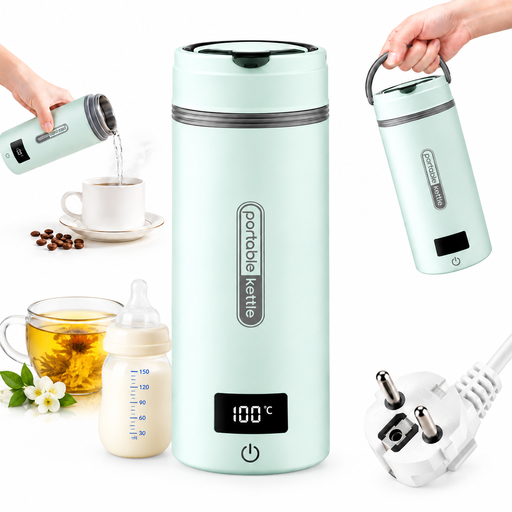
Ideal if you want to heat a small amount of water and brew your tea separately.
Capacity: 400 ml; four temperature settings and a temperature display; 304 stainless steel inner container; keep-warm function; EU plug, 220–240 V.
 No image available
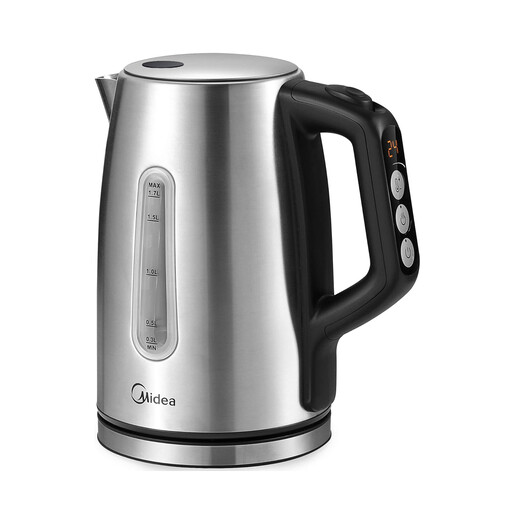
Ideal if you want to heat water for tea separately and choose from several temperature settings.
Capacity: 1.7 l; 2.200 W; six temperature settings from 40–100 °C; keep-warm function; water-level indicator; limescale filter.
 No image available
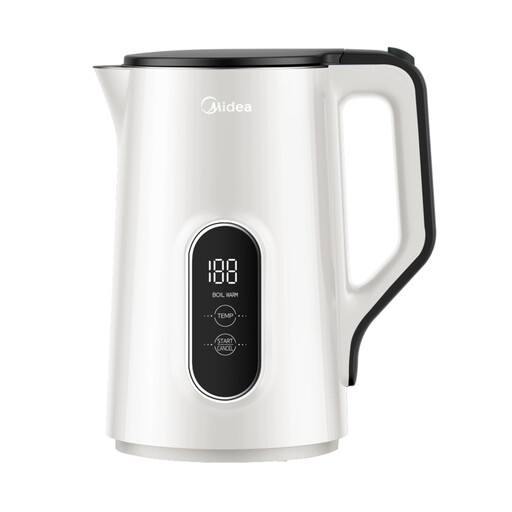
Ideal if you want to set the water temperature and brew your green tea separately.
Capacity: 1.5 l; 2.200 W; temperature control from 45–100 °C; double-walled body; digital temperature display.
 No image available
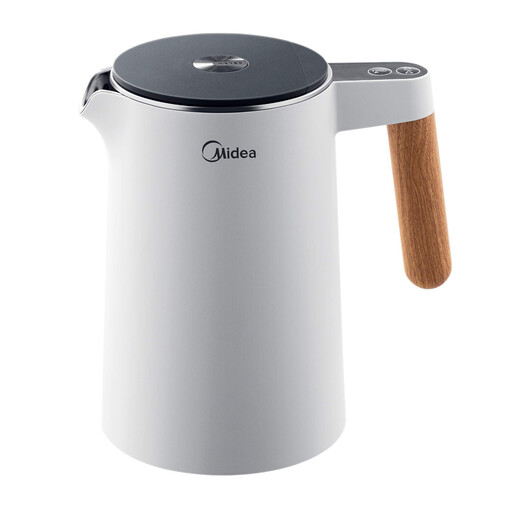
Ideal if you want to set the water temperature and brew your tea separately in a mug or teapot.
Capacity: 1.5 l; 2.200 W; seven temperature settings from 45–100 °C; keep-warm function; LED display; double-walled design.
 No image available
Ideal if you’re looking for a kettle with temperature control and plan to brew your tea separately.
No, the ideal temperature can vary from one tea to another. Teasenz gives 70–85 °C as a general guideline and notes that the type of tea affects your choice. Follow the instructions for your tea and adjust the temperature to suit your taste.
After brewing, remove the basket or filter if the model allows, and follow the cleaning instructions in the manual. Milieu Centraal recommends descaling kettles regularly; according to the organisation, a covered heating element is easier to clean than a coil.
Not necessarily: in the Netherlands, statutory rights exist alongside any manufacturer’s warranty, and there is no fixed statutory warranty period. The Dutch government says you can contact the seller if a product is faulty. Compare the terms of a paid package with the rights you already have.
Yes. Electrical appliances placed on the market in the Netherlands must meet the applicable EU requirements, including the requirement for CE marking. Ondernemersplein, the Dutch government’s business information portal, and the Netherlands Enterprise Agency explain that the marking is a declaration of conformity made by the manufacturer, not an independent safety certification. A mention on a product page does not, by itself, prove that a specific item meets all the requirements.