
Vandaag of morgen in huis

Kwaliteit gegarandeerd

Welkomstaanbiedingen ontgrendelen: GRATIS bezorging | Tot 80% korting | Gratis 30 dagen JoyPlus-proefperiode
Download de app
Buying new tea cups may seem simple, but small differences in material, capacity and care can make a big difference. A cup that looks beautiful may be too small in practice, become hot on the outside quickly or not be suitable for the dishwasher.
Marketing terms such as “handmade”, “heat-resistant” or “luxurious finish” do not always tell you enough either. Always check the product specifications carefully. This buying guide compares ceramic tea cups, Japanese tea cups, coffee cups and glass tumblers based on practical features.
A capacity of 160 ml is suitable for a smaller serving of green tea, oolong or a traditional tea-drinking occasion. For a large mug of coffee or a generous herbal tea, 260 to 480 ml is more practical.
Pay attention to the difference between the cup’s total capacity and the amount you actually pour. If you fill a cup to the brim, there is little room for stirring or carrying it safely.
Dishwasher-safe cups are convenient, but decorative prints, gold details and a textured exterior may lose their appearance over time. According to TEANAGOO’s product information, the Japanese cups are dishwasher-safe, but hand washing is recommended to preserve the texture on the outside.
With glass tumblers, it is important to look beyond the material alone. According to the product specifications, the six-piece Secret de Gourmet glass set is not suitable for the dishwasher.
Ceramic and glass can crack when exposed to a sudden change from very cold to very hot. Do not place a cold cup directly under boiling water, and do not put a hot glass on an icy-cold surface. According to the usage information for the TEANAGOO model, extreme temperature changes should be avoided, despite its stated suitability for microwave and oven use.
Also check the product information for food contact, microwave use and dishwasher use. For example, the product information for the TEANAGOO cup states that it has a lead- and cadmium-free ceramic composition. Repeat such information as provided by the manufacturer; do not turn it into a broader safety claim than the product page supports.
For a more targeted choice, you can use this guide:
Also check the diameter and height. A wide cup may not fit beneath every coffee machine. A tall glass tumbler may be less stable on a small tray.
Before buying, check the following:
A set of six is useful for a household or entertaining guests, while a set of two is better suited to a smaller household. For a tea ceremony or gift, colour, shape and presentation may matter more than maximum capacity.
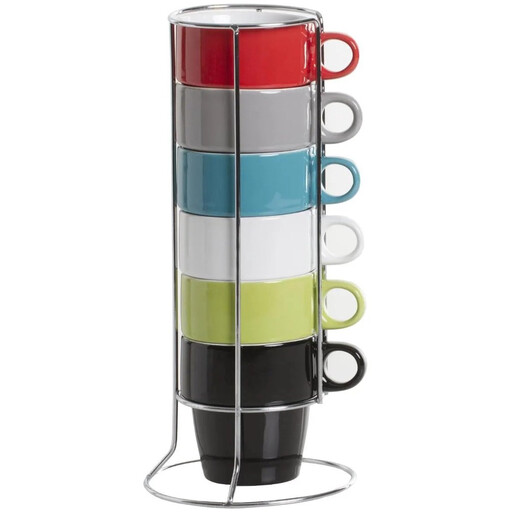
Why it suits this profile: The set contains six 260 ml ceramic mugs with handles. This is a practical size for tea, coffee and a variety of coffee drinks in a household.
The capacity is clearly stated, and the six-piece set means you do not have to combine individual cups in different sizes.
Six pieces, 260 ml, ceramic, handles, microwave- and dishwasher-safe according to the product description. Includes a metal rack.
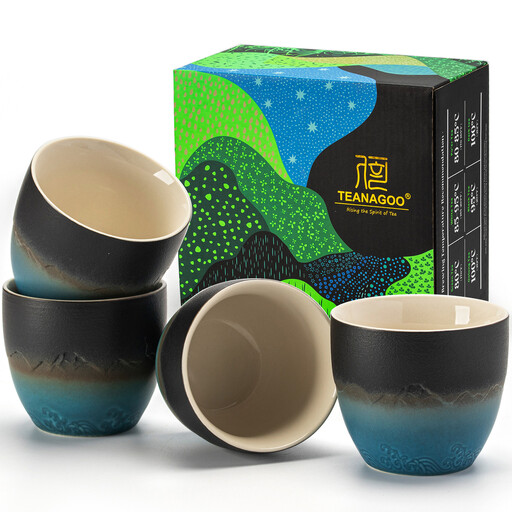
Why it suits this profile: The 160 ml capacity and handle-free design suit smaller tea services, Japanese tea and a relaxed serving occasion.
The compact capacity is clearly stated. The textured exterior does require careful care; hand washing is recommended to preserve the finish.
Four porcelain-ceramic cups, 160 ml each, glazed interior and, according to the product information, suitable for microwave and dishwasher use.
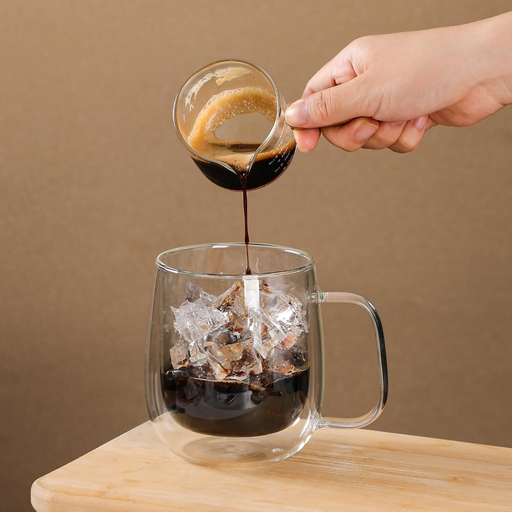
Why it suits this profile: The 350 ml capacity is suitable for large coffees, tea, latte and cold drinks. The handle is practical for regular use at home or in the office.
The product description mentions a double-walled construction and dishwasher resistance. Nevertheless, check the instructions on arrival and avoid sudden temperature changes.
Two 350 ml glass mugs, double-walled design, transparent finish, handles and, according to the product information, suitable for hot and cold drinks.
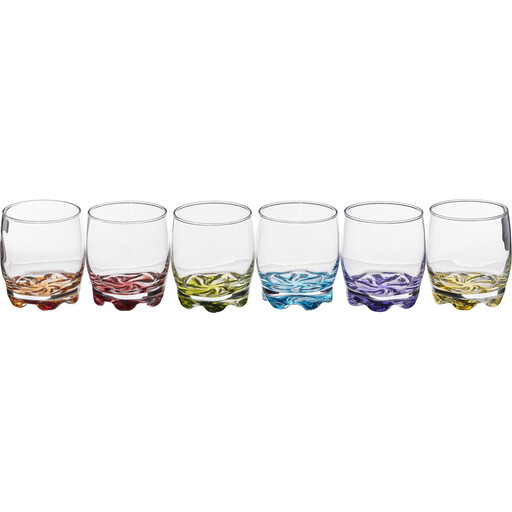
Why it suits this profile: Six transparent 310 ml drinking glasses are ideal if you are looking for one matching set for water, juice, iced tea or other cold drinks.
The capacity, dimensions and number of pieces are stated. Bear in mind that these glasses require hand washing: according to the product information, they are not dishwasher-safe.
Six glasses, 310 ml per glass, transparent material and a size suitable for everyday serving.
We have put together a complete, up-to-date list of products that fully meet these strict selection criteria and the applicable European safety regulations.
Rinse new cups before using them. Regularly check ceramic and glass for cracks, sharp edges or peeling decoration. Do not use a scouring pad on glazed surfaces, and follow the manufacturer’s care instructions.
With handle-free cups, it is a good idea to check the outside temperature before picking them up. Limescale marks may become visible on glass tumblers; drying them immediately helps to limit build-up. Store fragile sets with enough space between the cups.
For Japanese tea and smaller servings, around 160 ml is practical. For everyday tea or coffee, 200 to 300 ml is often a sensible choice. If you drink a large latte, iced tea or herbal tea, it is better to look at 300 ml or more.
It varies from product to product. According to the product specifications, some ceramic cups are dishwasher-safe, while hand washing is recommended to preserve decoration or texture. Always check the product page and care instructions.
Cups without handles are often used for Japanese tea, matcha or compact tea services. Cups with handles offer extra grip and are practical for larger or very hot drinks. The right choice depends on your drinking habits, the capacity and how you serve your drinks.
