
Vandaag of morgen in huis

Kwaliteit gegarandeerd

Welkomstaanbiedingen ontgrendelen: GRATIS bezorging | Tot 80% korting | Gratis 30 dagen JoyPlus-proefperiode
Download de app
Searching online for tea and bubble tea seems simple, but packaging can give a misleading impression. A box labelled “fruit” doesn’t always contain a caffeine-free infusion, and a bubble tea kit isn’t necessarily complete. The number of servings, preparation method and ingredients can also vary considerably.
As a Joybuy Product Recommendation Officer, I focus on information that can be verified. Keep these points in mind to avoid a disappointing purchase and choose the right fruit tea, green tea, black tea or boba tea kit.
A fruit flavour may be added to black tea. This applies, for example, to various Pickwick tea blends and peach tea made with a black tea base. If you want to avoid caffeine, check the base: rooibos, herbs or a product explicitly labelled “caffeine-free”. A fruit infusion is not the same as fruit-flavoured black tea.
With tea bags, the number of servings is usually clear. With a bubble tea mix, one cup may include powder, tapioca pearls and sometimes syrup or toppings. Check whether “three cups” or “six cups” really refers to the number of servings, and whether you need to add milk, water, ice or extra sugar.
“Matcha”, “brown sugar” and “honeydew” describe flavour profiles; they don’t guarantee a particular amount of tea or fruit. Check the ingredients list to see, for example, whether a product is made mainly from sugar, creamer, starch and flavourings. Also look out for allergens and sweeteners, especially if you’re sharing the drink with children or guests.
One example is AGF Blendy CAFE LATORY Peach Tea: this is a black tea mix supplied in seven 6.5-gram sticks, with peach ingredients and a stated caffeine content of 18 mg in the nutritional information. The individual servings are convenient, but this product is not the same as a caffeine-free peach infusion.
Tea bags usually require only hot water and a few minutes to brew. Loose-leaf Asian teas and fruit mixes may allow for several different preparations. For example, JiLiangMu Assorted Fruit Tea contains ten individual servings in a 100-gram pack. The recommended brewing time is 3 to 5 minutes in water at 85 to 100 °C.
For bubble tea, pay particular attention to:
A kit with everything individually portioned helps reduce waste. A larger pack may offer better value if you use it regularly, but you’ll need to pay more attention to storage.
Compare more than just the flavour: check the sugar, sweeteners, creamer and allergens too. The JENI Bubble Tea Cup Mix with matcha, honeydew and brown sugar lists 58 grams of carbohydrates and 34 grams of sugars per 100 grams. It also contains tapioca starch and various powders.
Always check the current packaging. Product information can change, and the nutritional values of prepared bubble tea depend on how much water, milk, ice and toppings you use. If you have an allergy, follow the label. For example, Pickwick Fruit Fusion lists liquorice; according to the product information, excessive consumption may be harmful.
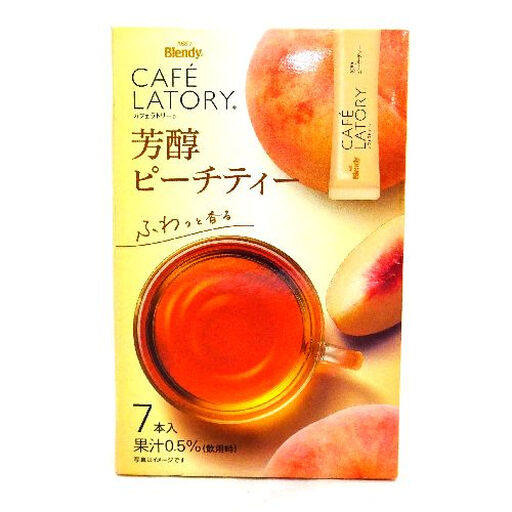
Why it suits this profile: The seven sticks are individually portioned and need very little preparation. It’s a good choice if you want to try peach tea without buying a large pack straight away.
The number of sticks and the weight per stick are stated. The product information also identifies it as black tea, so you can take the caffeine information into account.
Seven individual servings; peach flavour; easy to take with you and prepare.
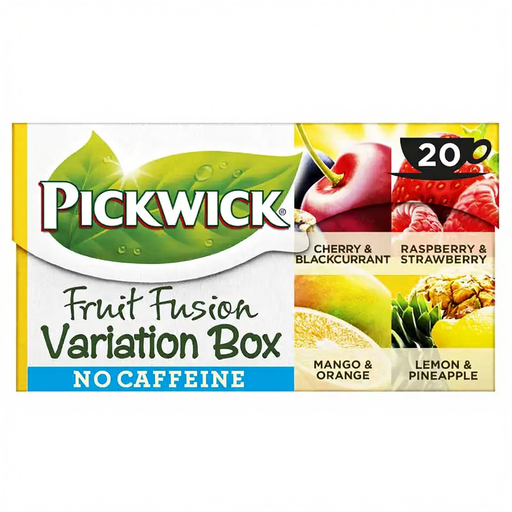
Why it suits this profile: You get four caffeine-free fruit flavours in one box. It’s a practical choice for everyday drinking, serving guests or trying different flavours without buying several boxes.
The product information explicitly says the blends are caffeine-free. It also lists the ingredients and notes that liquorice is included.
Twenty tea bags; four fruit combinations; described as caffeine-free.
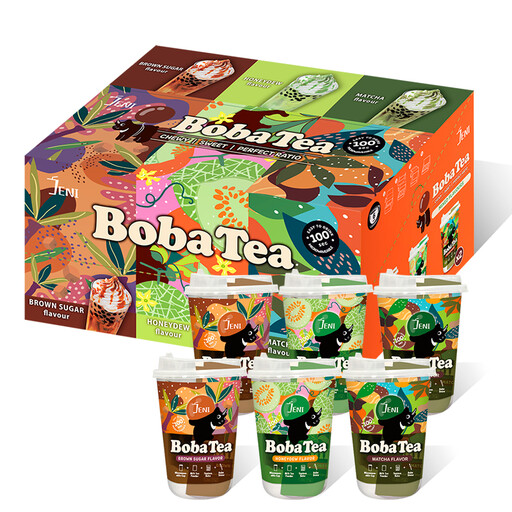
Why it suits this profile: The box contains six servings in matcha, honeydew and brown sugar flavours. It’s a good fit for a party, several drink breaks or a household with different flavour preferences.
The number of cups and the flavours are specified in advance. The ingredients list also names tapioca starch, creamer, tea components and sweeteners.
Six 85-gram servings; three flavours; tapioca included.
We’ve put together a complete, up-to-date list of products that meet these strict selection criteria and the applicable European safety regulations.
Start by checking the kit’s instructions. Usually, you add water and, if needed, milk to the powder, prepare the tapioca pearls as directed on the pack, then add ice to taste. Only use a wide straw if the opening is suitable for the size of the pearls. It’s best to store prepared bubble tea according to the packaging and drink it promptly.
Unopened tea will usually remain in good condition until the date shown on the packaging. Store it somewhere cool and dry, away from direct sunlight. Seal opened packs tightly. With bubble tea kits, treat unopened powder sachets, opened ingredients and prepared drinks separately. Always follow the specific instructions on the label.
It depends on the serving size and what you need to add yourself. Regular tea often requires just one tea bag and hot water. A bubble tea mix may include powder and tapioca pearls, but you may also need milk, ice, cups and straws. So compare the cost per serving rather than just the price per pack.
