
Vandaag of morgen in huis

Kwaliteit gegarandeerd

Welkomstaanbiedingen ontgrendelen: GRATIS bezorging | Tot 80% korting | Gratis 30 dagen JoyPlus-proefperiode
Download de app
Tea and iced tea might seem simple to pick, but the difference between products often lies in the details. Are you looking for a fruity drink to take on the go, a bulk pack for the family, or a caffeine-free tea for the evening? In that case, flavour, sugar content, tea type and pack size matter more than flashy claims on the front.
When it comes to tea and iced tea, watch out for these common pitfalls:
If you want to drink less sugar, it’s a good idea to compare the nutritional information per 100 ml. For example:
So a product labelled “sugar-free iced tea” can still contain sweeteners. Always check the ingredients list if you want to avoid certain sweeteners. With iced tea syrup, you also need to consider the dilution ratio. Slimpie uses a ratio of 1:11 and, according to the description, is suitable for up to 39 glasses. The actual amount depends on how big your glasses are and how much syrup you add.
Black tea and green tea naturally contain caffeine, unless the packaging clearly states otherwise. This applies to Pickwick Mango Fruit Tea and Pickwick Caramel Pear Tea, among others. The Pickwick products contain black tea with fruit, herbs or spices.
Rooibos tea is naturally caffeine-free. Pickwick Rooibos Harmony Mango Peach contains rooibos, orange peel, rosehip, hibiscus, peach purée and mango pieces. This makes it a good choice if you want to drink tea in the evening or are specifically looking for a caffeine-free tea.
A fruit tea or herbal infusion isn’t automatically caffeine-free either. Check whether it contains black tea, green tea or another caffeinated tea base. A variety box with several flavours can be handy, but read the ingredients for each variant if caffeine is a concern for you.
A 1.5-litre bottle is ideal for home use, lunch or keeping a stock in the fridge. A bottle or can of 250 to 500 ml is more convenient for on the go, but can work out more expensive per litre. Tea bags and a tea variety box are practical for the office or when different family members like different flavours.
With ready-to-drink beverages, also pay attention to the storage instructions. According to the product information, unopened iced tea should be stored in a cool place away from direct sunlight. Once opened, the packaging should be kept in the fridge and the drink consumed within the stated period.
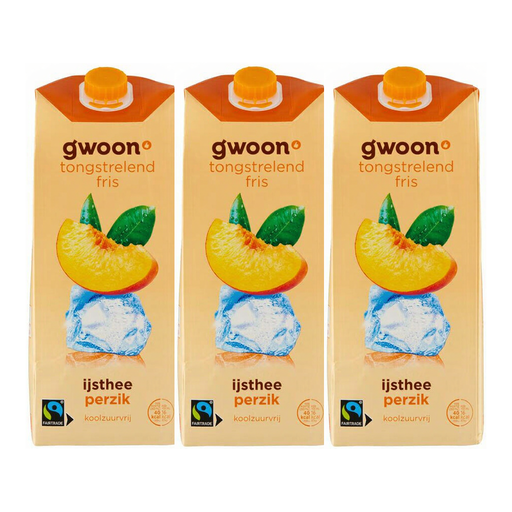
Why this fits the profile: A bulk pack of three 1.5-litre bottles is ideal for home, guests or a family that regularly drinks peach iced tea.
The nutritional information states 16 kcal and 3.8 g of sugar per 100 ml. This means you can compare the product in advance rather than relying solely on the flavour name.
1.5 litres per bottle, three per pack and a clear peach flavour. Serve chilled.
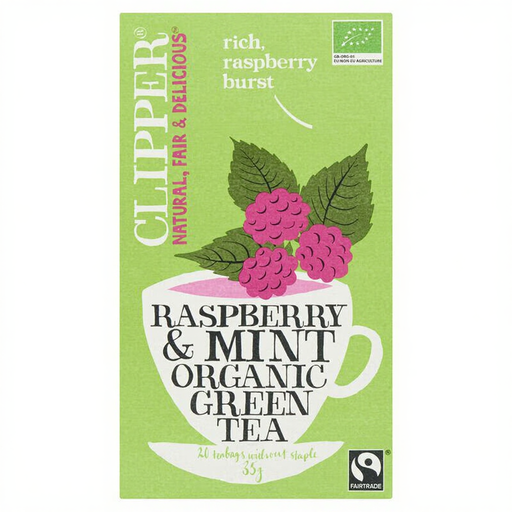
Why this fits the profile: This organic tea combines green tea with mint and raspberry flavour. According to the product information, the ingredients come from organic farming.
The ingredients and number of bags are specified: 20 bags of 1.75 g. The packaging also includes instructions for making both hot tea and iced tea.
Organic ingredients, 20 individual tea bags and a recognisable flavour combination of raspberry and mint.
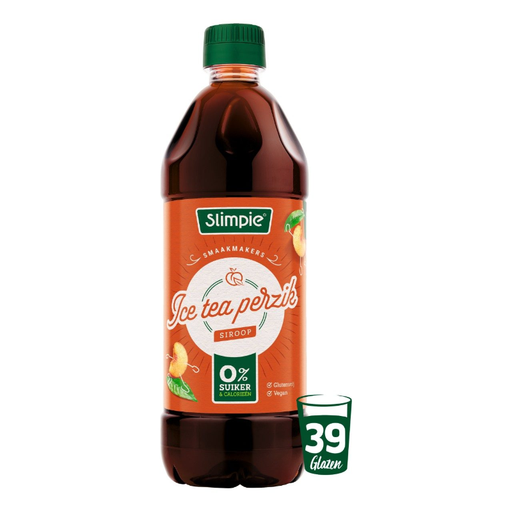
Why this fits the profile: If you make iced tea often, one bottle of syrup lets you control the strength and amount per glass yourself.
The dilution ratio of 1:11 is stated. According to the product information, the syrup is sugar-free, but it does contain sweeteners such as sucralose and cyclamate.
650 ml content, up to 39 glasses according to the product description and 0 g of sugar per 100 ml according to the nutritional information.
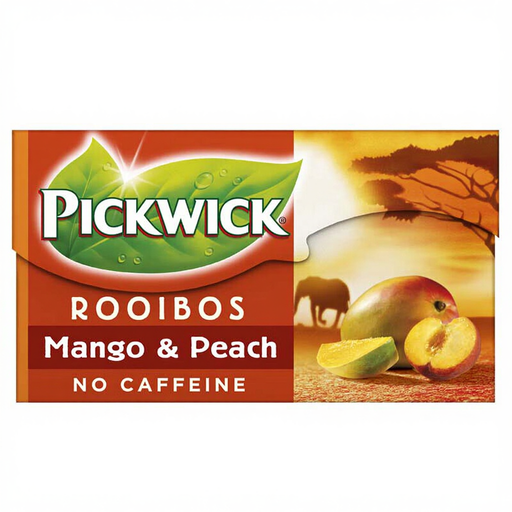
Why this fits the profile: This rooibos variant is caffeine-free according to the product description and has mango and peach flavours. That makes it suitable for different times of the day.
The product base is rooibos rather than black or green tea. This makes the choice clearer for anyone wanting to avoid caffeine.
20 bags of 2 g, caffeine-free rooibos and a fruity combination of mango and peach.
We’ve put together a full, up-to-date list of products that fully meet these strict selection criteria and comply with current European safety regulations.
That varies by brand and variant. In this selection, g’woon Peach Iced Tea states 3.8 g of sugar per 100 ml and Fuze Tea variants around 4.3 to 4.4 g. Slimpie Ice Tea Peach Syrup states 0 g of sugar per 100 ml, but contains sweeteners. Always compare the nutritional information table and the ingredients list.
No. A fruit tea can have black tea or green tea as a base and therefore contain caffeine. Pickwick Mango Fruit Tea and Pickwick Fruit Forest Fruit are examples of fruity blends with black tea. Rooibos tea and tea infusions without black or green tea are more suitable if you want to avoid caffeine.
Follow the instructions on the packaging. The product information for the drinks mentioned advises storing opened iced tea in the fridge and consuming it within the stated period. Close the bottle or packaging tightly and do not use a product if the seal is damaged at the time of purchase.
