If you work in a quiet room, wired open-back headphones are a good choice for critical comparisons. If there’s background noise or a microphone nearby, consider a closed-back model. Compare the original and edited recordings at the same listening volume and, if your software allows, listen to the removed residue too: the Audacity Manual says this can help you spot any loss of wanted sound. Having two screens doesn’t determine which connection you need, and no headphones remove tape hiss from the audio file itself.
Who is this guide for?
Audio restoration specialist in a quiet room
You compare the original and edited recording to hear whether any noise remains and whether parts of the voice or music have been affected. The Audacity Manual describes listening to the removed residue as a way to assess possible damage to wanted sound.
Editor in a noisy workspace
You want to assess subtle changes while sounds in the room are distracting, or you work near a recording microphone. RTINGS describes open-back headphones as prone to sound leakage and offering limited isolation; Sound On Sound discusses the isolation provided by closed-back models when monitoring.
Editor with long listening sessions
You often switch between versions, so you pay attention to fit, cable routing and replaceable parts. Sennheiser lists a detachable cable for the HD 490 PRO; check which parts are replaceable on each model and whether the fit feels comfortable to you.
What should you consider when choosing?
Open-back, wired
Best for: critical comparisons in a quiet room, where isolation from background noise is less important. RTINGS lists open-back models as an option for mixing and mastering.
Bear in mind: according to RTINGS, open-back models leak sound and do little to block out background noise.
Closed-back, wired
Best for: a workspace where background noise or sound leakage into a microphone is a concern. Sound On Sound describes closed-back headphones as useful for isolation when monitoring.
Bear in mind: isolation is no substitute for carefully comparing the original and edited recording.
Choose the design to suit your listening environment, then check the connection, cable routing and fit for your workspace.
| What to consider |
What to look for when buying |
Who is this important for? |
| Detail and residue |
Choose open-back or closed-back headphones to suit your room, then compare your own audio clips to hear what the processing changes. |
If I want to hear in a quiet room whether the processing affects parts of the voice or music as well as the noise, assessing detail comes first. Around 36% of consumers say this is their primary need. |
| Isolation |
Check whether the closed-back design and ear pads provide enough isolation in your workspace. |
If I work with noticeable background noise or close to a microphone, I focus on isolation and sound leakage. Around 29% of consumers say this is their primary need. |
| Fit and maintenance |
Try the headphones on if possible, and check which ear pads and cables can be replaced on that version. |
For long sessions, I want to know whether the fit will stay comfortable and how to replace worn parts. Around 21% of consumers cite long-lasting comfort and maintenance as their primary need. |
| Connection and cable |
Check the audio output, plug, any adapter, cable length and how the cable will run across your desk. |
If I switch between recordings repeatedly, I want the cable to reach my audio output without getting in the way. Around 14% of consumers prioritise the connection and cable routing. |
Common pitfalls
-
Assuming a wide frequency range means better tape hiss assessment
A headphone specification doesn’t tell you how you’ll hear residual noise or damage to your recording.
Start by choosing between open-back and closed-back headphones to suit your workspace. Then compare your own clips at the same listening volume and, if possible, listen to the removed residue too.
-
Choosing an open-back model for a noisy room or near a microphone
Open-back headphones do little to block out background noise and leak sound. As a result, your surroundings can affect how you assess what you hear.
If you need isolation, consider a closed-back model. Keep open-back headphones in mind for a quiet listening space.
-
Choosing based on the number of screens
Your screens don’t tell you which audio output is available. The output on your computer or audio interface, along with the cable routing, determines which connection suits your workspace.
Before buying, check the output, plug, any adapter and cable length. Also check where the cable connects to the headphones.
Relevant brands to compare
beyerdynamic
The DT 900 PRO X is an open-back, wired option; the DT 700 PRO X is closed-back. Your choice will depend in part on how much isolation you want.
- beyerdynamic lists a detachable cable and a nominal impedance of 48 ohms for the DT 900 PRO X.
- These features don’t show how well a model lets you assess details in your own tape recording.
Audio-Technica
The closed-back, wired ATH-M40x is worth considering if isolation and the supplied cables are important to you.
- Audio-Technica lists two detachable cables and circumaural earcups.
- The description of a flat response is a manufacturer’s claim, not an independent measurement of this model in this guide.
Sennheiser
The open-back HD 490 PRO and closed-back HD 480 PRO offer different designs within the professional studio range.
- Sennheiser lists a detachable cable for the HD 490 PRO and offers replacement ear pads.
- The design helps you decide which option to consider, but manufacturer claims about sound or comfort don’t establish how the model will sound with your recording or fit your head.
Sony
Sony describes the wired MDR-7506 as being for recording and studio use.
- Sony lists a 3 m cable.
- Check whether that length suits the distance between your listening position and audio output; Sony’s description of it as a reference headphone isn’t an independent comparison with other models.
Shure
The closed-back SRH840A is an option to compare if isolation and a replaceable cable are important to you.
- Shure lists a detachable locking cable and a circumaural, closed-back design.
- The frequency response description doesn’t prove that you’ll be able to assess subtle tape hiss more effectively with this model.
Joybuy products
This Joybuy selection includes models whose product information mentions wired listening. Check whether each model’s connection, design and fit suit your audio output and listening environment.
 No image available
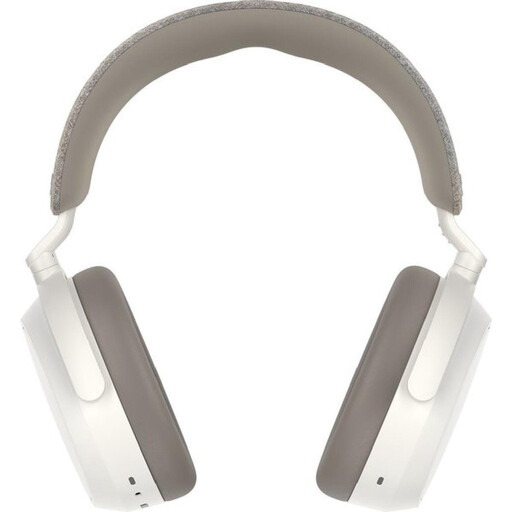
Sennheiser MOMENTUM 4 Wireless, white
The wired listening option described may be useful when comparing recordings through a headphone output; check your device’s connection.
The product information lists a supplied 3.5 mm audio cable and passive wired use. The product name mentions 60 hours of battery life; this applies to wireless use.
View at Joybuy
 No image available
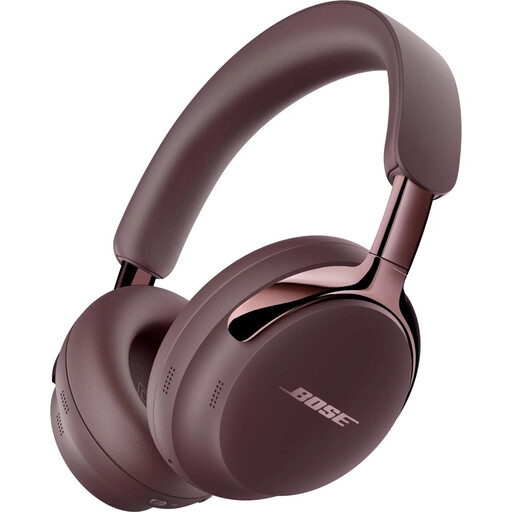
Bose QuietComfort Ultra Headphones (2nd Gen), Cherry Chocolate
The product information mentions wired use via a detachable cable; check that the connection suits the device you’re playing audio from.
The description lists USB-C and 3.5 mm connections on the detachable cable.
View at Joybuy
 No image available
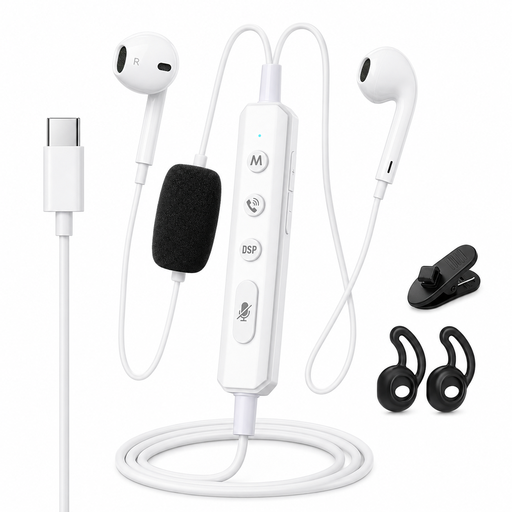
VoxorAI KM08, white
The product name describes wired headphones with a sound card for real-time monitoring and recording; check the connection and set-up for your playback device.
The product information lists a Type-C connection and a half-in-ear design.
View at Joybuy
 No image available
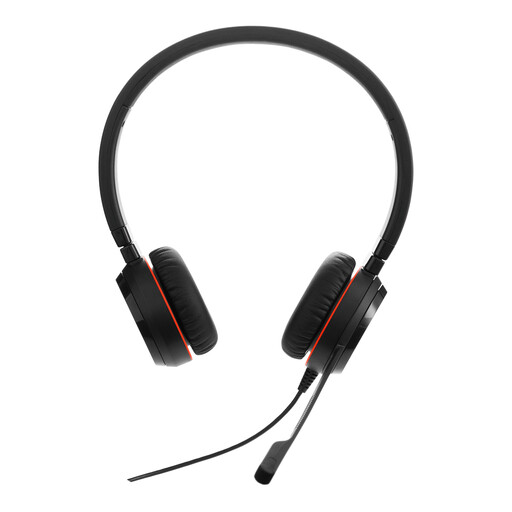
Jabra EVOLVE 30 II MS Stereo
The wired connection described may suit comparisons using a computer; check that the cable routing works for your desk.
The product information lists stereo audio, a 3.5 mm connection, a USB controller and a 0.95 m cable.
View at Joybuy
 No image available
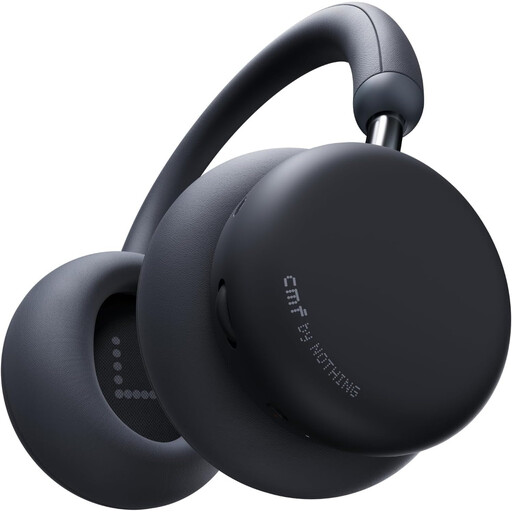
CMF by Nothing Headphone Pro, Dark Gray
The product information lists wired audio and a closed-back design; check whether the isolation and fit suit your workspace.
The description lists 40 mm drivers and a weight of 283 g. These details alone don’t establish how well you’ll be able to assess details in a recording.
View at Joybuy
Frequently asked questions
Do studio headphones remove tape hiss themselves?
No. Headphones are a listening tool here; noise reduction happens during audio processing. The Audacity Manual describes Noise Reduction as an effect and recommends listening to the removed residue as a way to assess whether wanted sound may have been affected.
Should I choose open-back or closed-back headphones to compare tape hiss?
Open-back headphones are worth considering in a quiet room; opt for a closed-back model if you want to block out background noise or work close to a microphone. According to RTINGS, open-back models leak sound and do little to block out background noise; Sound On Sound describes isolation as a relevant feature of closed-back headphones.
Do I need two headphone connections because I have two screens?
No, the number of screens doesn’t determine which audio connection you need. Check which device plays the sound, then choose a suitable plug, any adapter and cable length.
What should I check about cables and ear pads?
Check the parts for the exact model. Audio-Technica lists detachable cables for the ATH-M40x; Sennheiser offers replacement ear pads for the HD 490 PRO. Don’t assume parts are interchangeable between models.
Do I have a cooling-off period when buying online in the Netherlands?
According to the Dutch government, the cooling-off period for distance purchases is usually 14 days. Before buying, check the seller’s information and the terms and conditions that apply to your purchase.


