
Vandaag of morgen in huis

Kwaliteit gegarandeerd

Welkomstaanbiedingen ontgrendelen: GRATIS bezorging | Tot 80% korting | Gratis 30 dagen JoyPlus-proefperiode
Download de app
There are several ways to achieve a tanned look: with a self-tan product, sun cream with a bronzing effect, bronzing powder or a body bronzer. The differences between these products are significant, though. If you choose based only on the colour shown on the packaging, you could end up with a patchy finish, insufficient sun protection or a formula that doesn’t feel comfortable on your skin.
The main pitfalls to watch out for when choosing tanning products:
First, decide what kind of result you’re looking for. This helps you avoid buying a product for a different purpose than the one it was designed for.
A self-tan lotion, cream or self-tan mousse often contains dihydroxyacetone, also known as DHA. This ingredient temporarily colours the outer layer of the skin. The result usually develops gradually and fades as your skin renews itself.
A lotion is a good choice if you want to moisturise while building up your colour gradually. A mousse often feels lighter and is popular for the body. Some formulas come in light, medium and dark shades. If you’re new to self-tan, start with a lighter shade.
Self-tan products don’t contain SPF. Even if your skin looks tanned, you still need sun protection when you’re out in the sun.
A product such as SPF 30 sun cream with a bronzing effect combines UV protection with a formula that, according to the brand, supports your skin’s natural tanning process. According to the product information, NIVEA SUN Protect & Bronze products contain pro-melanin extract and no self-tan. This means they won’t give you the immediate cosmetic colour you’d get from a bronzer or self-tan lotion.
Be aware of the difference between the SPF rating and the bronzing effect. SPF 30 indicates protection against UVB radiation, according to the relevant test method, but it doesn’t replace sensible sun habits. Apply plenty of product, avoid prolonged exposure and reapply regularly.
A face bronzer, bronzing powder or body bronzer gives you instant colour and is easy to remove. Powder is practical for the face, for example on your cheekbones, temples and along your hairline. Liquid bronzing drops can be mixed with day cream or foundation.
These products generally don’t contain sun protection unless this is clearly stated on the packaging. So, if you’re using one during the day, apply a separate sun cream as well.
When choosing sun care, pick an SPF that suits your skin type, the strength of the sun and how long you’ll be exposed. Check that the product states it provides both UVA and UVB protection. SPF 30 doesn’t mean you can stay in the sun for longer.
A spray can be quick to apply, but check that you’ve covered your skin evenly. With an oily formula, it can be harder to spot areas you’ve missed. Don’t spray directly onto your face, and follow the instructions on the packaging.
Look for terms such as light, medium, dark, gradual or buildable. A gradual self-tan lotion gives you more control than a formula that delivers an intense result straight away. With powder, you can start with a light layer and build up the colour.
Test a new product on a small area of skin first. Stop using it if irritation occurs, and take note of the warnings on the label.
For an even self-tan:
Check the period after opening, often shown as a pot symbol with a number such as 6M or 12M. Don’t store cosmetics in direct sunlight or near a heat source. Before you buy, also check that the full ingredients list is available.
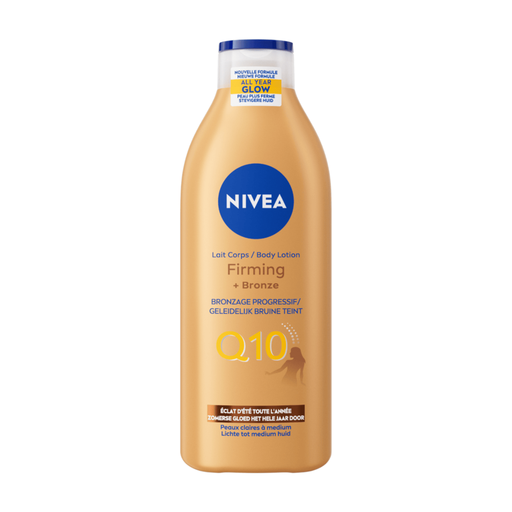
Why it suits this profile: A body lotion for everyday use that, according to the product description, gradually builds colour. This makes the intensity easier to control if you’re new to self-tan.
The instructions recommend daily application and building up the colour gradually. The formula is designed for light to medium skin tones, making it easier to judge in advance whether the intensity is right for you.
400 ml, with glycerine and DHA listed in the ingredients. The product information mentions Q10 and a gradual, natural-looking colour.
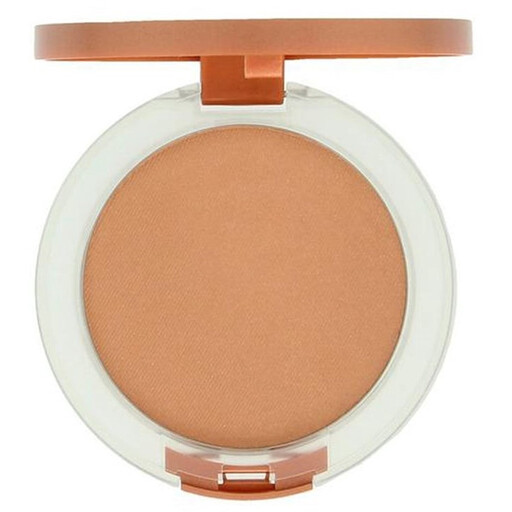
Why it suits this profile: A compact face bronzer for anyone who values instant colour and control more than a long-lasting self-tan.
The powder formula is buildable, so you can start with a small amount instead of applying a dark layer straight away.
9.6 grams, with an oil-free formula and, according to the product information, no fragrance. Shade 03 Sunblushed is designed for a light skin tone.
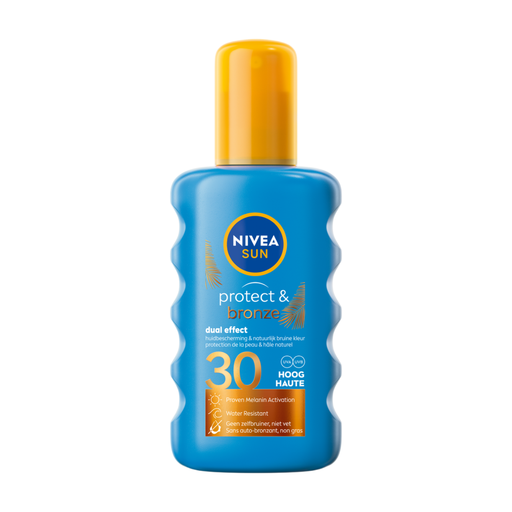
Why it suits this profile: A good choice for beach days, outdoor activities and holidays when you’re looking for a spray with SPF 30 and a bronzing effect.
According to the product information, this product contains no self-tan. This clearly distinguishes it from a product that gives your skin an immediate cosmetic colour.
200 ml, SPF 30, UVA/UVB protection according to the product description, and a water-resistant spray formula. Reapply as directed on the label.
We’ve put together a complete, up-to-date list of products that meet these strict selection criteria and current European safety requirements.
It varies depending on the formula, your skin type and your washing routine. Self-tan often lasts for a few days and fades gradually. Regular moisturising can help the colour fade evenly. Always check the instructions for the product you choose.
Yes, but use them for different purposes. Self-tan adds colour without sun exposure, while sun cream is designed to protect you from UV rays. Self-tan with SPF doesn’t replace regular application of sun cream. Apply both products as directed, and allow self-tan plenty of time to absorb.
Bronzer is handy for instant colour and can be removed when you cleanse your face. Self-tan lasts longer, but needs more preparation and careful, even application. If you only want a warm glow now and then, bronzing powder or bronzing drops may be all you need. For a gradual result on the body, a lotion or mousse may be a better fit.
