
Vandaag of morgen in huis

Kwaliteit gegarandeerd

Welkomstaanbiedingen ontgrendelen: GRATIS bezorging | Tot 80% korting | Gratis 30 dagen JoyPlus-proefperiode
Download de app
Buying tableware seems straightforward until you discover that a set is incomplete, a plate is not dishwasher-safe or a bowl is less spacious than the product photo suggests. For Dutch households, students, families and barbecue organisers, the most important factors are number of pieces, material, size and care requirements.
Pay attention to marketing terms too. “Sustainable”, “strong” or “suitable for every occasion” means little without specific details. Always check the product description and usage warnings before placing your order.
A product title may refer to a tableware set, while the packaging contains only one plate or glass. For example, the Alpina drinking glasses are described as a set of three in the name, while the product specification lists the number of items as one piece. This is exactly the kind of discrepancy you should check before buying.
So look at:
A glass set may be dishwasher-safe, while a wooden serving bowl may need to be washed by hand. Metal products are not automatically dishwasher-safe either. Also check whether a plate is suitable for use in the microwave, oven or freezer. These functions are not interchangeable.
According to the product description, the Dafuceramic plates are suitable for use in the microwave, oven, fridge, freezer and dishwasher. Other tableware may come with more limited usage instructions. Always follow the information on the product page and the underside of the product.
A product made from bamboo fibre is not automatically compostable or suitable for long-term reuse. For disposable plates and bowls, the intended use, dimensions and waste-disposal instructions are particularly important. “Sustainable bamboo tableware” is therefore no substitute for checking the actual product specifications.
When choosing tableware, look out for possible limitations, such as:
Ceramic plates and porcelain bowls are suitable for everyday use, but check whether the glaze and material are compatible with your appliances. Porcelain can have a refined appearance, while ceramic is often slightly heavier and more robust. The product description for the Secret de Gourmet Lunis states that it is made from porcelain and measures 22 cm in diameter and 8.8 cm in height.
For drinking glasses, capacity matters more than shape alone. A 22 cl glass is suitable for water or soft drinks with a meal. A 36 cl glass set offers more room for juice, soft drinks or a mixed drink. According to the product description, the Gaspard glasses are dishwasher-safe, but are not intended for hot or boiling liquids.
Stainless steel is practical for cutlery and some serving bowls. According to the product title, the Fangyuan cutlery set contains knives, forks and spoons and is described as dishwasher-safe. However, check how many complete place settings are included and whether the design is suitable for everyday use.
A large plate is not automatically more practical. Measure the available space in your kitchen cupboard and dishwasher. For bowls, pay attention to their capacity and height. A 22 cm deep salad bowl works differently from a small breakfast bowl.
For specific uses, these sizes are useful:
The Dafuceramic cereal bowls are offered as a set of four, with a capacity of 29 oz per bowl. This makes them interesting for soup, breakfast, noodles or salad, but check that their dimensions will fit in your cupboard.
If you cook every day, clear care information is particularly valuable. Dishwasher-safe tableware saves you time and effort, but place fragile glasses carefully in the dishwasher and avoid sudden temperature changes. Wooden serving bowls generally require more care than glass or stainless-steel alternatives.
For a party, picnic or barbecue, disposable tableware can be practical. Compare the diameter, number of pieces and suitability for hot or cold food. RuiBamboo plates are available in packs of 25, 50 or 100, depending on the variant. The product information mentions bamboo fibre, but this does not automatically provide information about compostability.
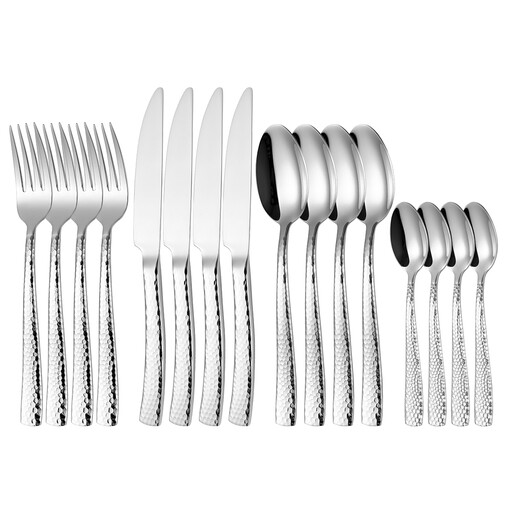
Why it suits this profile: A complete cutlery set is a simple way to kit out a student room, first home or small household without having to collect individual pieces.
The number of 16 pieces is stated in the product name. Before ordering, check the exact breakdown of knives, forks and spoons.
Stainless steel according to the product title; described as dishwasher-safe and supplied with three types of cutlery.
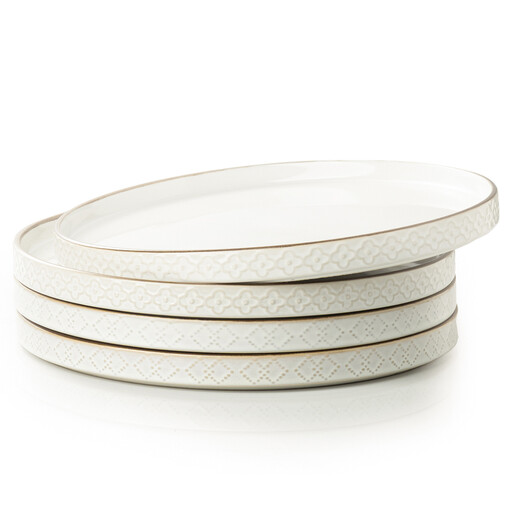
Why it suits this profile: Suitable for households looking for a coordinated set of plates for everyday meals and family dinners.
The diameter of 10.25 inches and the number of four plates are clearly stated, making it easier to assess the space needed in your cupboard and on your table.
Ceramic; according to the product description, suitable for use in the microwave, oven, fridge, freezer and dishwasher; stackable design.
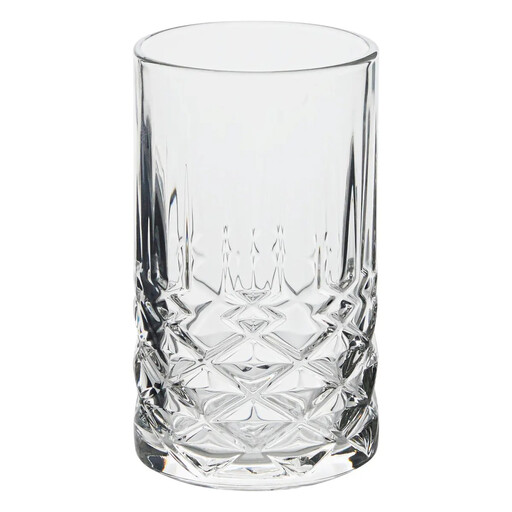
Why it suits this profile: Ideal for families, dinner parties and restaurant-style table settings where a larger capacity and matching glasses are preferred.
The 36 cl capacity and set size of four are specified. The warning against hot liquids helps prevent incorrect use.
Clear glass; 36 cl per glass; dishwasher-safe according to the product description. Not suitable for use in the microwave.
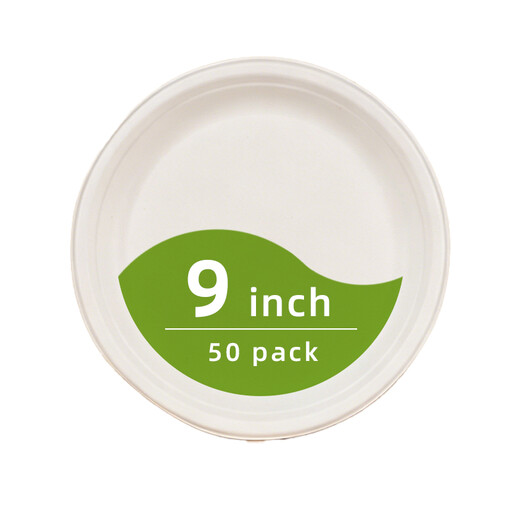
Why it suits this profile: A practical choice for birthdays, neighbourhood parties, picnics and barbecues where washing up is not a priority.
The diameter of 23 cm and pack size of 50 pieces are clearly stated. Before use, check whether very wet or heavy foods are suitable.
Pack of 50 disposable plates; suitable for cold and hot foods according to the product title.
We have put together a complete, up-to-date list of products that fully meet these strict selection criteria and the applicable European safety regulations.
For everyday use, allow for at least one complete set per person, plus a few spare pieces. For a family of four, this means four dinner plates, four bowls, four glasses and four cutlery sets, for example. If you regularly have guests, it is better to choose six or eight pieces of each type.
That depends on your preferences regarding weight, appearance and care. Ceramic and porcelain are suitable for a permanent tableware set. Glass is practical for cold drinks, but remains fragile. Stainless steel is useful for cutlery and some serving bowls. For every material, check the specific instructions for dishwasher, microwave and oven use.
No. A description such as bamboo fibre, paper or bagasse refers to the material, but does not automatically tell you how the product should be disposed of or under what conditions it will break down. Check your local waste-disposal rules and do not use any product outside its stated applications.
