Who is this buying guide for?

Photographers of glossy tableware

You photograph glazed plates or cups and want to control distracting bright reflections without flattening their shape. broncolor discusses lighting for porcelain cups, while Adobe explains diffusion in product and still-life photography.

Creators of consistent product ranges

You photograph several pieces of tableware at different times and want to keep colour temperature, light placement and camera white balance consistent. Canon Europe explains how the colour temperature of light affects the colours we see.

Users of a shared workbench

You need to move or put away your lights after use, so size, mounting and power are important. Also check that the full setup will fit in your available work and storage space.

What should you look for?

Compact rechargeable light

Choose this when: you mainly want to light details on one plate or cup and put the setup away after use.

Trade-off: a small light source gives you less scope to light a whole table softly.

One larger bi-colour panel

Choose this when: you usually photograph one tableware setup at a time and have room for the panel, mount and diffuser.

Trade-off: the panel and mount take up workbench space, so check that you can direct the light where you need it.

Two separate panels

Choose this when: you want to light a wider arrangement and have enough work and storage space.

Trade-off: two stands and power supplies need more space and preparation. Take a test shot to adjust the light distribution, too.

What to consider What should you check? Who should pay particular attention?
Reflections and light shaping Check whether you can angle the panel and whether a diffuser or suitable light-shaping accessory is available. Take a test shot of your glossiest piece of tableware. If I photograph glossy glaze, I want to be able to adjust distracting reflections without losing all the shape. Around 31% of consumers put reflection control first.
Colour consistency Compare the adjustment range of the exact version, and keep your lighting setup and camera white balance as consistent as possible between sessions. If I photograph a range of tableware, I want the colours to look consistent between shots. Around 31% of consumers give colour consistency top priority.
Space, mounting and power Measure the space available for the panel and mount. Check the stand, cable routing, mains adapter and any batteries required for the version you choose. If I share a workbench, I want to be able to move and store the light after use. Around 23% of consumers put this flexibility first.
What’s included Check whether a stand, diffuser, adapter, cable and any batteries are included with each version. If I want to set up straight away, I need to know which parts are missing. Around 15% of consumers give a complete, ready-to-use kit top priority.

Common buying mistakes

  • Focusing only on a high lux rating

    A high stated light output won’t automatically solve reflections on glaze. Light shaping, diffusion and the angle of the light all affect how the tableware looks.

    Compare the measurement conditions and first consider how you can shape and position the light. Take a test shot with the tableware you plan to photograph.

  • Assuming a small RGB light will illuminate the whole table

    A compact light such as the Ulanzi VL49 RGB is worth considering mainly for details or as an additional light. RGB modes don’t tell you how much of a table setup it can illuminate.

    Choose it for close-up detail lighting and test its coverage with your largest tableware arrangement.

    For a larger setup, you may still need a bigger panel or a suitable light-shaping accessory later on.

  • Assuming a stand and batteries are included as standard

    The NEEWER NL660 is available in different versions. Separately purchased batteries are required to run the Godox LEDP260C and amaran P60x described here on battery power.

    Check the parts list for the exact version on offer before putting your setup together.

  • Assuming a similar model name means it’s the same version

    A product name alone doesn’t always tell you exactly which version it is or what’s included.

    Check the model, specifications, power supply and packaging details in the listing separately.

Brands to consider

Godox

The LEDP260C is a larger bi-colour panel worth considering if you have room for a dedicated product photography setup.

  • Godox specifies a colour temperature of 3300–5600 K, CRI >95 and mains power for the LEDP260C.
  • For battery use, the manual lists NP-F970 batteries, which are sold separately. These specifications aren’t an independent assessment of tableware photography results.

NEEWER

The NL660 is worth considering if you’re looking for one adjustable panel or a separately listed two-panel kit.

  • NEEWER lists a colour temperature range of 3200–5600 K for the NL660.
  • Versions are available with and without a stand; batteries aren’t included with the version described. Check what’s included in the kit on offer.

amaran

The P60x is a bi-colour panel worth considering if control and light-shaping accessories are important to you.

  • Aputure specifies a colour temperature of 3200–6500 K and a 45° beam angle for the P60x.
  • The standalone version described includes a softbox and grid, but not the two NP-F batteries needed for battery use. Kit contents may vary between listings.

Ulanzi

The VL49 RGB is a compact option for close-up detail lighting or as an additional light. It won’t necessarily replace a larger diffused panel.

  • Ulanzi lists a built-in 2000 mAh battery and compact mounting options.
  • Check the colour temperature range and the exact version on offer before buying.

Lighting products at Joybuy

These Joybuy products cover different types of photography lighting, from compact fill lights to a COB studio light; not every model is an LED panel. Consider them as options for additional or portable lighting, and check that the light source’s shape suits your tableware setup. According to the Netherlands Food and Consumer Product Safety Authority, CE marking is compulsory for electrical products. Check the marking and product identity of the exact version. CE marking isn’t proof of an independent product assessment.
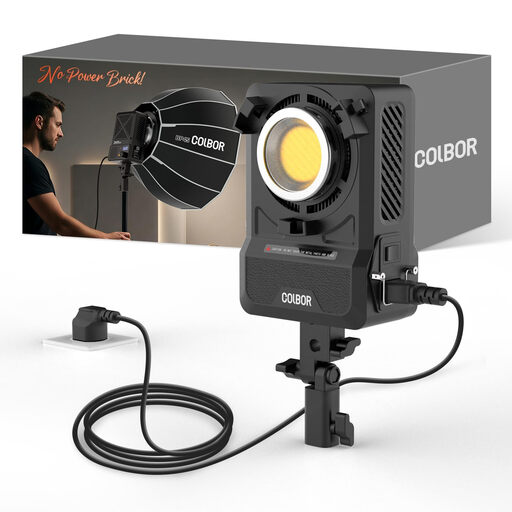
COLBOR 200W bi-colour COB studio light with Bowens mount

COLBOR 200W bi-colour COB studio light with Bowens mount

Worth considering if you’re looking for a COB studio light with a Bowens mount for your setup; this isn’t an LED panel.

The product name lists 200 W and a range of 2700–7000 K.

View at Joybuy
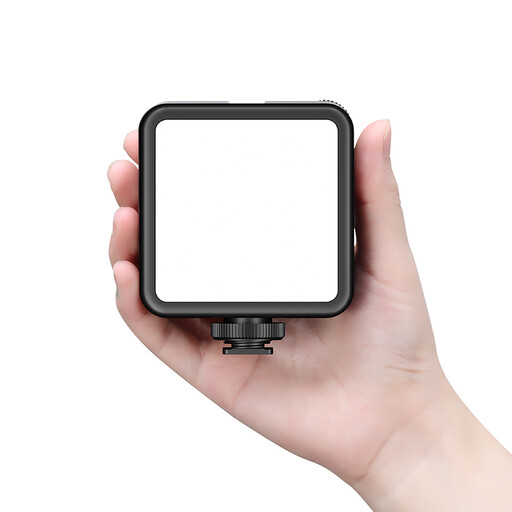
Ulanzi VL81 rechargeable LED video light

Ulanzi VL81 rechargeable LED video light

A portable camera light worth considering if you want to move or supplement your lighting; this isn’t an LED panel.

The product description lists 81 LEDs and a built-in battery.

View at Joybuy
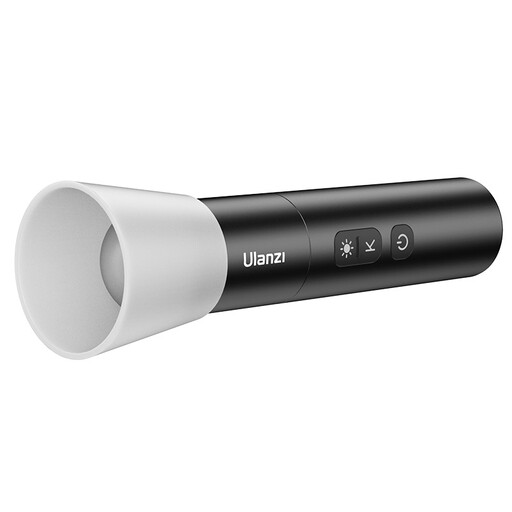
Ulanzi LM07 portable photography torch

Ulanzi LM07 portable photography torch

A portable light worth considering for a small setup where you need flexible lighting; this isn’t an LED panel.

The product name lists bi-colour, four brightness settings, a range of 2000–5500 K, a 2000 mAh battery and a weight of 187 g.

View at Joybuy
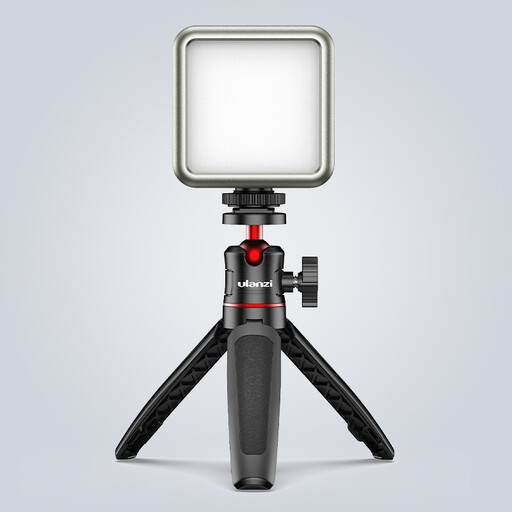
Ulanzi VL49 RGB video light with 2000 mAh battery

Ulanzi VL49 RGB video light with 2000 mAh battery

A compact light worth considering for close-up detail lighting or as an additional light. For a whole table, a larger diffused panel can give you more scope to shape the light.

The product name lists a range of 2500–9500 K and a magnet. Check the specifications for the exact version.

View at Joybuy
Ulanzi LM001 portable mini fill light

Ulanzi LM001 portable mini fill light

Worth considering if you’re looking for a small fill light that you can position flexibly on a workbench; this isn’t an LED panel.

The product name lists a 500 mAh battery. The product description mentions a magnetic base and 1/4-inch thread.

View at Joybuy

Frequently asked questions

How should you start with a glossy plate or cup?

Place one light source at an angle beside the tableware and check the reflections in a test shot. Then try diffusion and change the light angle. Soft light can reduce harsh reflections, while more directional light can emphasise shape. broncolor and Adobe discuss light shaping for porcelain and product photography respectively.

Is a high CRI rating enough to get the same tableware colour in every photo?

No. A CRI specification alone doesn’t guarantee identical colour reproduction between photo sessions. Canon Europe explains that the colour temperature of the light also affects the colours we see. Keep your setup consistent and check the camera white balance for each session.

What should you consider when setting up and packing away in a shared workspace?

Measure the space for both the light and its mount, keep cables out of the way and check whether the stand, adapter and any batteries are included with the version you choose. Follow the instructions for the exact product to use it safely.

What can you expect in the Netherlands if you return an item or it develops a fault?

For an online purchase made by a consumer from a business, you generally have 14 days to change your mind, according to the Dutch government. Consumers are also entitled to a product that works as it should; in the Netherlands, there’s no fixed statutory warranty period. If you’re buying in the name of a workshop or business, check which rules apply to that agreement.

Is CE marking compulsory for an electric LED light?

According to the Netherlands Food and Consumer Product Safety Authority, CE marking is compulsory for electrical products. Check the marking and product identity of the version you’re actually buying. CE marking isn’t proof of an independent product assessment.
