
Historical map enthusiast
You switch between old and recent maps to study changes in polders, waterways or buildings. Readable detail and plenty of screen space are important things to consider.


For historical polder maps and study texts between lectures, an 11-inch tablet is a useful starting point if you want to view map details alongside your notes. If you mostly read on the move, you may prefer a smaller model. Then choose based on the apps and pen you use, access to files without an internet connection, and the accessories you need. A Windows tablet is mainly worth considering if you need specific desktop software, but check that it’s compatible with the processor.
You switch between old and recent maps to study changes in polders, waterways or buildings. Readable detail and plenty of screen space are important things to consider.
You make notes on maps and study texts between lectures. Check which pen works with the model you choose and whether it’s included.
You use short journeys to look at maps and texts, balancing portability with screen space and internet access.
A good fit if: you already use Apple devices or want to use iPad apps for reading and annotating.
Bear in mind: check which Apple Pencil works with the iPad (A16) and whether you need to buy it separately. For mobile internet, you’ll need a separate Cellular model.
A good fit if: you want a choice of screen sizes, storage options and bundles that include a pen.
Bear in mind: check the pen, app support and model variant; a microSD slot doesn’t mean a map website will work offline.
A good fit if: your course requires a specific Windows desktop application.
Bear in mind: whether a keyboard and pen are included may depend on the bundle. If you’re considering a Windows tablet with an Arm processor, also check that your software, peripherals and drivers are compatible.
| What to consider | What should you check? | Who should pay particular attention? |
|---|---|---|
| Map details and screen space | Compare the map website and a study text on the screen size you’re considering; check how easy they are to read alongside your notes. | I want to compare map layers and small labels clearly side by side. Around 28% of consumers prioritise map readability. |
| Writing and annotating | Check pen compatibility, what’s included in the box and the annotation features in your study app. | If I’m writing notes by hand, I want to know whether the pen works with my model and is included. Around 22% of consumers put writing first. |
| Portability between lectures | Compare screen size and device weight; check the weight of the model you plan to carry. | If I often hold my tablet while I’m out and about, comfort matters more to me than having the largest possible map area. Around 22% of consumers prioritise portability. |
| Access to materials on the move | Check whether your map website needs an internet connection and test how to access your study files without a network. | I want to be able to open my materials away from campus Wi-Fi, too. Around 17% of consumers make staying connected on the move their top priority. |
| Required desktop software | Find out the exact software version you need and check that it’s compatible with the processor you’re considering. | If my course requires desktop software, I want to know first whether it’ll work on the tablet. Around 11% of consumers make required desktop software their top priority. |
A larger view of the map can be handy at a desk, but a bigger tablet may be less convenient to carry or hold for long periods.
Compare the screen and weight in the position you’ll use when reading on the move.
Support for an accessory doesn’t automatically mean it’s included in the specific box.
Check the model code, compatibility and bundle contents before choosing a version.
A compatible pen or keyboard may need to be bought separately; bundles vary by model.
Storage space doesn’t automatically make a map website available offline; a live map service may need an internet connection.
Test the map service you use, and make any study materials you need offline available separately.
On a Windows tablet with an Arm processor, compatibility differences may affect specific programmes and drivers.
Check that the exact applications and peripherals you need are compatible with the processor in your chosen tablet.
The 11-inch iPad (A16) is worth considering if you want iPadOS apps and a screen for maps and notes.
The Galaxy Tab S10 FE range is worth considering if you’re looking for an Android screen of around 11 inches and S Pen features.
The Idea Tab range offers an Android option for reading maps and writing, with models and accessories that can vary.
The Pad 7 is worth comparing if you’re looking for a larger screen to see map details.
The Surface Pro 12-inch (1st Edition) is worth considering if your studies require a Windows working environment.
These Joybuy tablets are options to compare for historical maps, study texts and note-taking. When choosing, consider the screen, pen, connectivity, and the files or apps you use.
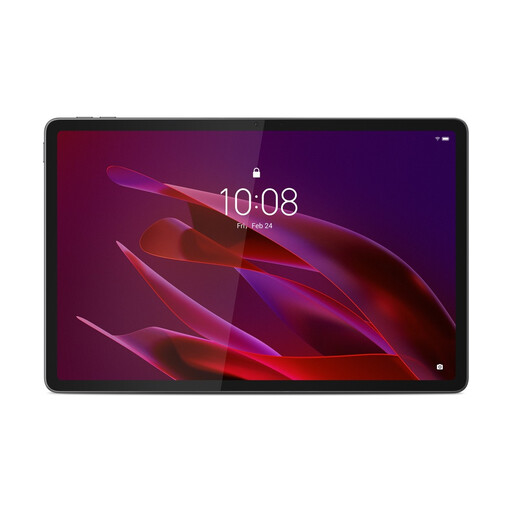 Image unavailable
An option to compare if you want to view map details and annotate with a pen.
The screen measures 11.1 inches, with 3200 × 2000 pixels. This model has 256 GB of storage and includes a Tab Pen Pro.
The stated device weight is 458 g.
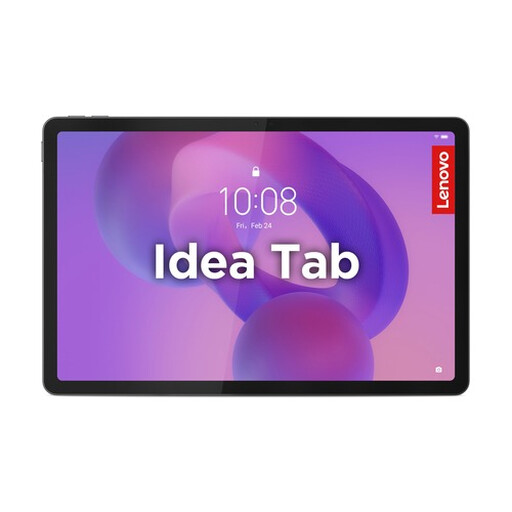 Image unavailable
This model is worth comparing if you want to view maps and make notes with a pen.
The screen measures 11 inches, with 2560 × 1600 pixels. This model has 256 GB of storage and includes a Tab Pen.
The stated device weight is 480 g. The charger isn’t included.
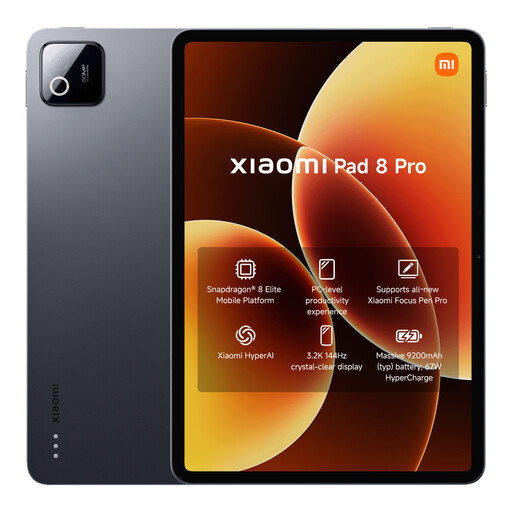 Image unavailable
Before choosing this model for your studies, compare it with the map website and annotation method you plan to use.
The product name lists 12 GB RAM and 512 GB of storage.
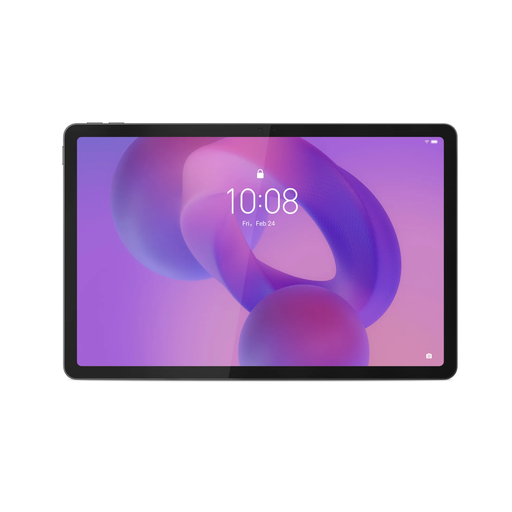 Image unavailable
This model is an option if you want to view map details and make notes with a pen.
The screen measures 11 inches, with 2560 × 1600 pixels. The tablet has 128 GB of storage and includes a Lenovo Tab Pen.
The stated device weight is 480 g. The charger isn’t included.
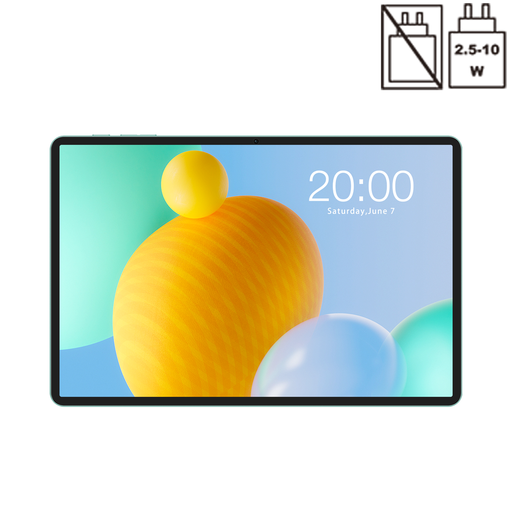 Image unavailable
An option to compare if you want to access your study materials online while you’re out and about.
The product name lists an 11-inch screen, 128 GB of storage, 4G LTE and dual SIM.
The listed 32 GB RAM consists of 6 GB RAM and 26 GB virtual RAM.
Yes. The Kadaster’s map service provides historical maps. On 10 February 2026, the Kadaster announced that maps and aerial photographs up to and including 2025 had been added. Try the tablet you’re considering to see how readable the relevant map layers are.
Only if you want to write comments or draw sketches by hand. Apple lists Pencil support for the iPad (A16), while Lenovo warns that accessories may vary by model. Check which pen is compatible and what’s included in the box.
First, find out the exact version of the programme and check that it works with the processor you’ve chosen. Microsoft says drivers must be suitable for Windows on Arm, so check the peripherals you need as well.
ACM ConsuWijzer states that the cooling-off period for an online purchase ends 14 days after the product is delivered, subject to statutory exceptions. The seller is also responsible for the legal guarantee if the product doesn’t meet what you could reasonably expect.
The European Commission states that energy labelling requirements have applied since 20 June 2025 to slate tablets covered by the rules and placed on the EU market. Tablet computers that resemble Windows devices are treated separately; not having the same label does not in itself prove a breach.