
Vandaag of morgen in huis

Kwaliteit gegarandeerd

Welkomstaanbiedingen ontgrendelen: GRATIS bezorging | Tot 80% korting | Gratis 30 dagen JoyPlus-proefperiode
Download de app
A compact refrigerator might seem like a straightforward purchase. Whether you're a student looking for a fridge for your dorm room, need an extra cooling solution for the office, or want a small fridge for the garage, the market is flooded with options. But behind the shiny doors and marketing jargon often lie the same pitfalls. Many buyers discover after a few months that their new appliance is noisy, drives up the energy bill, or simply has an impractical layout.
As a Joybuy Product Recommendation Officer, I see daily which specifications truly matter. Let's review the three most common mistakes when buying a tabletop refrigerator, so you can make a well-informed decision.
To find the right compact refrigerator, you don't need to sift through technical manuals. Focus on three clear specifications that make the difference between a bad buy and a purchase you'll enjoy for years.
Look beyond the total number of litres. The net capacity of the cooling section is what counts. A tabletop refrigerator with a freezer compartment is handy, but remember that this compartment (often 10-15 litres) comes at the expense of cooling space.
beverage cooler or office fridge: Focus on models with adjustable shelves and spacious door compartments for bottles and cartons. A freezer compartment is often unnecessary here.The term 'quiet refrigerator' is subjective. The noise level, expressed in decibels (dB), is not. For spaces where you live, sleep, or work, this is a crucial factor.
So, always check the noise level in dB on the specification sheet.
Since 2021, the energy label has been updated and now runs from A (very efficient) to G (very inefficient). An energy-efficient refrigerator will save you money in the long run.
Based on these objective criteria, we have selected a number of models that suit different user profiles.
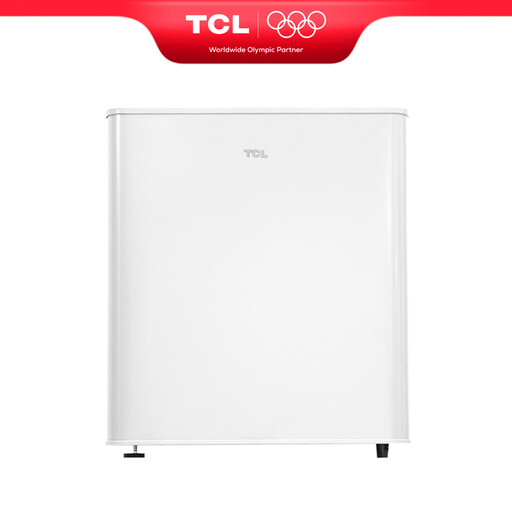
Why This Fits Their Persona: With its 45-litre capacity, this mini fridge is perfect for a student room or as an extra cooler next to your desk. It takes up minimal space and offers enough room for drinks, snacks, and a few small meals.
The noise level of 40 dB is clearly specified, so there are no surprises. Its compact size sets a realistic expectation for capacity; you know exactly what you're getting.
Extremely compact footprint that fits almost anywhere. The adjustable feet ensure stability on uneven floors, which reduces vibrations and noise.

Why This Fits Their Persona: Ideal for a one or two-person household in a small apartment. With 95 litres of cooling space and a 14-litre freezer compartment, this is a complete, compact cooling solution.
Tackles two pitfalls: the C energy label (89 kWh/year) prevents a high energy bill, and at 37 dB, it's a proven quiet refrigerator.
Very energy-efficient and quiet. The combination of a spacious fridge, a practical freezer, and low energy consumption makes this an excellent all-rounder.

Why This Fits Their Persona: With a generous capacity of 129 litres and no freezer, this model is purely focused on cooling space. Perfect for the office to store the whole team's lunches, or as a beverage cooler in the garage or garden shed.
The large, uninterrupted cooling space avoids the 'unusable litres' pitfall. The noise level of 39 dB is low enough not to be disruptive in an office environment.
Maximum cooling capacity for its size. The practical layout with two glass shelves and a vegetable drawer makes organizing groceries simple.
We have compiled a complete, up-to-date list of products that fully meet these strict selection criteria and UK safety regulations.
A truly quiet refrigerator produces less than 40 decibels (dB). Models around 37-38 dB are virtually inaudible and ideal for a bedroom or studio. A 40 dB model is comparable to a soft whisper and is not disruptive in most situations. Always check the specifications for the exact dB rating.
The difference can be significant over the lifespan of the appliance. A C-label refrigerator, like the Bella model with a consumption of 89 kWh/year, uses less electricity than an E-label model. Although the purchase price of a more energy-efficient model may be higher, the lower energy bill often leads to overall savings in the long run.
That depends entirely on your usage. A tabletop refrigerator with a freezer compartment is practical for freezing small portions, ice cubes, or a frozen meal. If you already have a separate freezer or don't need one, a model without a freezer offers significantly more cooling space. This is often a better choice for an office fridge or as a pure beverage cooler.
