
Vandaag of morgen in huis

Kwaliteit gegarandeerd

Welkomstaanbiedingen ontgrendelen: GRATIS bezorging | Tot 80% korting | Gratis 30 dagen JoyPlus-proefperiode
Download de app
A compact refrigerator seems like a simple purchase—until you get one home that constantly hums, drives up your energy bill, or lets your ice cream melt. Whether you're looking for a fridge for your dorm room, an extra model for the garage, or a portable solution for camping, the market can be overwhelming. Many models look the same at first glance, but the differences in performance and user-friendliness are significant.
As a Joybuy Product Recommendation Officer, I see where things go wrong every day. To help you avoid buyer's remorse, I'll highlight the three most common pitfalls and explain what you really need to pay attention to.
To sidestep these pitfalls, it's crucial to look beyond the sales pitches. Focus on the objective specifications that determine whether a small refrigerator is right for your situation.
Don't be deterred by a C or D label on a new refrigerator. Under the current, stricter standards, this often indicates a very energy-efficient refrigerator. A model with a C energy label consumes significantly less power than an older model with a seemingly good label.
Always check the annual energy consumption in kWh on the label. Multiply this number by your electricity rate, and you'll know exactly what the refrigerator will cost you per year. This allows for a fair comparison.
Capacity is expressed in litres, but the layout is at least as important. Do you really need a freezer compartment? If you only want to keep drinks and lunch cool, a model without a freezer is often more spacious and energy-efficient.
Are you looking for a mini fridge with a freezer to freeze meals or ice cream? Then check the star rating of the freezer compartment. Only a 4-star freezer (****) can reach -18 °C or colder and freeze fresh food. Anything less is only suitable for short-term storage of already-frozen products.
For a refrigerator for a dorm room or studio, a noise level of less than 40 dB is recommended. This is comparable to a soft whisper and is generally not perceived as disruptive.
For mobile use, such as in a camper, truck, or boat, a standard tabletop model is unsuitable. You'll need a 12V camping fridge or a compressor cooler. These are built to withstand shocks, operate on a 12V or 24V connection, and often provide much more powerful cooling and freezing capabilities, regardless of the ambient temperature.
Based on these objective criteria, we have selected a few models that suit different user profiles.
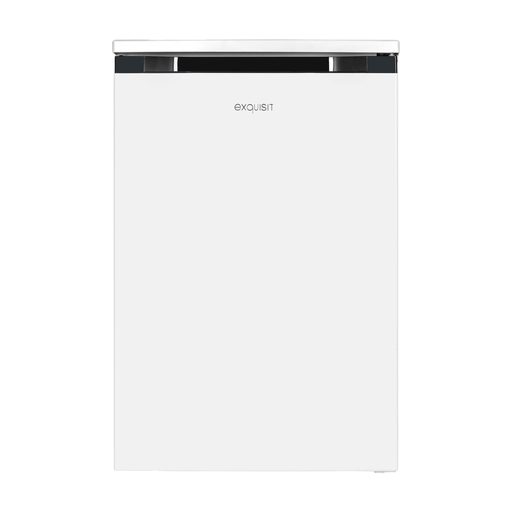
Why This Fits Their Persona: Ideal for a dorm room or first apartment. This model is compact, has a practical layout, and is very quiet at 37 dB, so it won't be a disturbance in a small living space.
The C energy label is highly efficient under the new standards, and the 37 dB noise level prevents the noise annoyance. The freezer compartment is suitable for storing frozen products.
A good balance between low energy consumption (87 kWh/year), a quiet design, and a usable total capacity of 120 litres (107L cooling, 13L freezing).
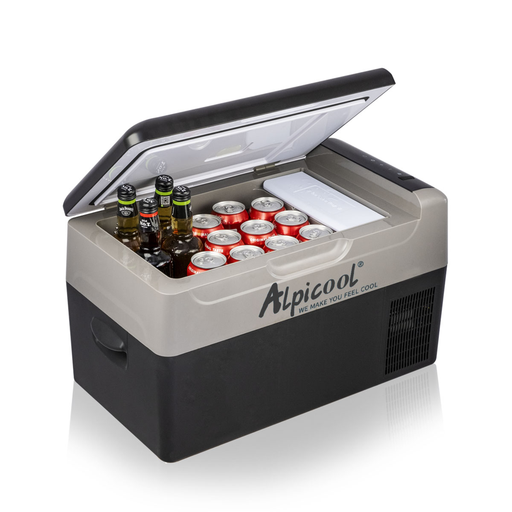
Why This Fits Their Persona: Perfect for campers, truck drivers, or boat owners. This model runs on 12V/24V, is shock-resistant, and can both cool and freeze down to -20°C, which is essential for life on the road.
This isn't a mini-fridge, but a powerful compressor cooler. Its freezing capability is genuine, not symbolic, completely avoiding the 'useless freezer compartment' pitfall.
Robust, portable, and a powerful cooling range (-20℃ to 20℃). The battery protection feature prevents your vehicle's battery from being drained.
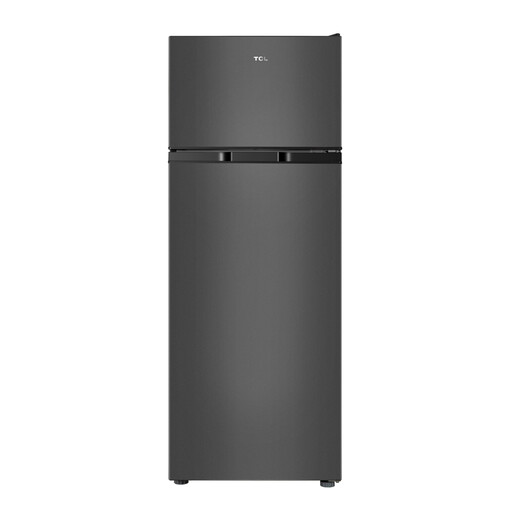
Why This Fits Their Persona: For singles or couples in an apartment with a small kitchen. This model offers the capacity of a full-fledged fridge-freezer (207L) in a compact, small freestanding refrigerator that is 55 cm wide.
The separate 40-litre freezer is a proper freezer, unlike the disappointing freezer compartments in many tabletop models. You can genuinely freeze meals and other products in it.
Offers much more storage space than a standard tabletop model without taking up a lot of floor space. Features like Power Cool & Freeze ensure rapid cooling.
We have compiled a complete, up-to-date list of products that fully meet these strict selection criteria and Dutch safety regulations.
Consumption depends on the size, energy class, and usage. An energy-efficient refrigerator with a C label, like the Exquisit KS16-4-051CW, uses about 87 kWh per year. At an electricity price of €0.30 per kWh, that amounts to about €26 per year. A model with an E or F label can easily cost double that. Always check the annual kWh consumption on the energy label.
Not every refrigerator is suitable for this. It depends on the climate class, which indicates the ambient temperatures at which the appliance functions correctly. The most common classes are:
A refrigerator with only climate class N or ST may have problems in a shed or garage where the temperature drops below 16 °C in winter. For such a space, choose a model that also includes the SN climate class.
A tabletop refrigerator uses a compressor system designed for a stable, stationary environment and runs on 230V. A compressor cooler is specifically built for mobile use. Its compressor is shock-resistant and can operate at an incline. Furthermore, they run on 12V/24V (car, truck) and often on 230V as well, and they have much more powerful cooling and freezing capabilities that are not dependent on the ambient temperature.
