
Vandaag of morgen in huis

Kwaliteit gegarandeerd

Welkomstaanbiedingen ontgrendelen: GRATIS bezorging | Tot 80% korting | Gratis 30 dagen JoyPlus-proefperiode
Download de app
A tabletop refrigerator is a perfect solution for those with limited space or anyone needing extra cooling capacity. It's ideal for a dorm room, a small apartment, the office, or a workshop. However, the search can feel like navigating a minefield. Many models look alike, and marketing jargon makes it difficult to make an informed choice. The result? You overpay for an appliance that becomes an annoyance, consumes too much power, or needs replacing after just a year.
As a Joybuy Product Recommendation Officer, I see where things go wrong every day. To help you avoid buyer's remorse, I've outlined the three most common pitfalls.
To sidestep these pitfalls, you need to look beyond the sales pitches. Focus on the specifications that truly matter.
Since 2021, the energy label requirements have become stricter. A model that was previously A++ might now have a D or E label. An energy-efficient tabletop refrigerator is not only better for the environment but also for your bank account.
The noise level, expressed in decibels (dB), is crucial for your living comfort, especially in a small space. Are you looking for a quiet tabletop refrigerator for your studio or a refrigerator for a dorm room? Pay close attention to these values:
Net capacity is more important than gross capacity. Critically examine the layout. Are the shelves adjustable? Is there a vegetable drawer? Can a 1.5-litre bottle fit in the door?
A tabletop refrigerator with a freezer compartment is convenient for storing a frozen pizza or some ice cubes. However, remember that a freezer compartment takes up space that could otherwise be used for cooling. If you don't need freezer space, choose a model without one for maximum refrigeration capacity.
Based on these objective criteria, we have selected several models that suit different user profiles.

Why This Fits Their Persona: This refrigerator is a smart all-rounder. It's compact, has a 14-litre freezer for a pizza or ice cream, and is whisper-quiet at 37 dB. Ideal for a dorm room where you live, sleep, and study.
With a C energy label and a noise level of 37 dB, this model bypasses the pitfalls of high energy costs and noise pollution. The layout is practical for daily use.
The combination of a C-energy label, a very low noise level, and a freezer compartment makes this an excellent choice for those seeking efficiency and functionality.
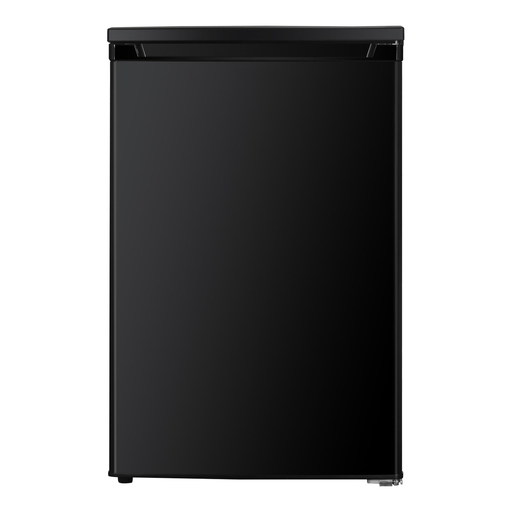
Why This Fits Their Persona: For those who see a refrigerator not just as a functional appliance, but as part of their interior design. This sleek, black model fits perfectly in a modern kitchen or office. With 126 litres, it offers plenty of cooling space without a freezer compartment.
The generous capacity is well-utilised thanks to a practical layout with 3 shelves and a vegetable drawer. The 39 dB noise level is quiet enough for most environments.
Offers a large cooling capacity of 126 litres in a stylish black design. The reversible door provides flexibility in placement.
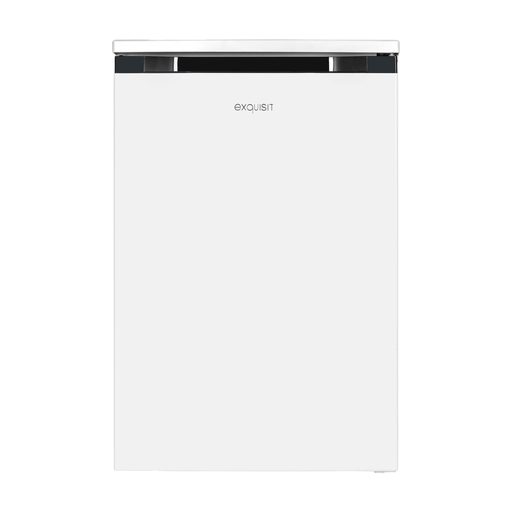
Why This Fits Their Persona: This model is focused on maximum efficiency. It combines an excellent C-energy label with a whisper-quiet 37 dB profile and a freezer compartment. A smart long-term choice that pays for itself in low energy costs and living comfort.
This model is the antithesis of the common pitfalls: extremely energy-efficient (87 kWh/year), whisper-quiet, and a smart layout with a freezer. No compromises.
Its very low energy consumption and noise level make this one of the most efficient choices in its class. The inclusion of a freezer compartment is an added bonus.
This is just a selection. We have a complete and up-to-date overview of models that meet these strict selection criteria.
The exact difference depends on the specific model and electricity price, but you can use this as a guideline. A C-label refrigerator consumes about 80-90 kWh per year (€24-€27), while a comparable F-label model can use around 110 kWh or more (€33+). This may seem like a small difference, but over a 10-year lifespan, you can easily save €100 or more.
For a space where you also sleep and study, a quiet tabletop refrigerator is essential. Focus on models with a noise level of 39 dB or lower. A 37 dB model is ideal, as this sound is barely perceptible and will not disturb your sleep or concentration.
Not all refrigerators are suitable for this. You need to check the climate class of the appliance. Most standard refrigerators function well at an ambient temperature between 16°C and 38°C (climate class N or ST). If the temperature in your shed drops below 10-16°C in the winter, the refrigerator may stop cooling properly. Check the manufacturer's specifications for the minimum ambient temperature.
