
Vandaag of morgen in huis

Kwaliteit gegarandeerd

Welkomstaanbiedingen ontgrendelen: GRATIS bezorging | Tot 80% korting | Gratis 30 dagen JoyPlus-proefperiode
Download de app
Living in a studio, a small apartment, or just need a compact fridge for the office? A tabletop refrigerator with a freezer compartment seems like the perfect solution. However, the search can be surprisingly tricky. While many models look identical at first glance, the differences in performance, energy consumption, and noise levels are significant.
Before you make a decision, it's wise to understand the common pitfalls. This will help you avoid buying a fridge that consumes too much power, disturbs your sleep, or has a freezer that can't even keep your frozen pizza solid.
Let's skip the marketing jargon and focus on the points where things often go wrong.
To make an informed choice, focus on the specifications that truly matter. These are the three most important ones.
A small freestanding refrigerator must, of course, fit into the available space. The standard height is about 85 cm. Also, pay attention to the door swing direction; on many models, it's reversible, which offers flexibility in placement. The capacity is expressed in litres. A 107-litre refrigerator total volume is generally sufficient for a one- or two-person household. Look specifically at the distribution: how many litres are for the cooling section and how many for the freezer compartment?
The energy label provides a good indication, but the annual consumption in kilowatt-hours (kWh) tells you what it will actually cost you. A model with energy class C and a consumption of around 87 kWh per year will only cost you a few tens of dollars/euros in electricity annually. An old, inefficient model could easily cost double that.
For anyone who sleeps, cooks, and lives in the same room, this is a crucial point. A quiet 37 dB refrigerator is an excellent value. This noise level is comparable to a whisper and will blend into the background noise of most households. Anything below 40 dB is generally considered quiet for a living space.
Based on these objective criteria, we have selected a number of models that suit different user profiles.

Why This Fits Their Persona: Ideal for a first apartment or student dorm where functionality and a low energy bill are key. A no-frills refrigerator that gets the job done.
With a modern C energy label and a noise level of 37 dB, you'll avoid high energy bills and disruptive humming in your living space.
A great balance between a spacious 109-litre capacity and low annual energy consumption (89 kWh). The door is reversible for flexible placement.
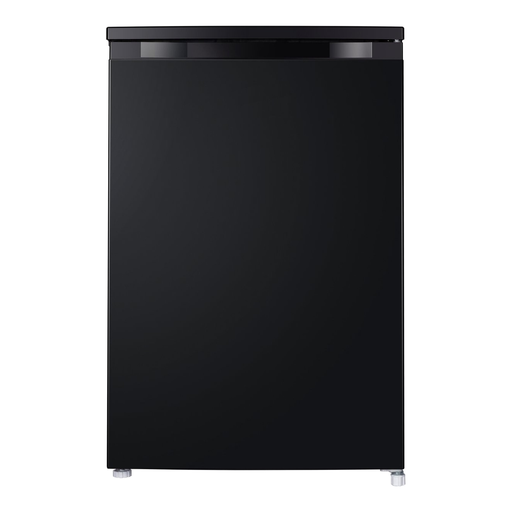
Why This Fits Their Persona: This black mini fridge fits seamlessly into a modern interior where aesthetics matter. Its sleek finish makes it more than just a functional appliance.
This Exquisit refrigerator combines a sleek look with quiet operation (37 dB), so design doesn't come at the cost of your peace and quiet. The C-label ensures a low energy bill.
Stylish black design with an integrated handle. The 13-litre, 4-star freezer compartment is suitable for long-term storage and freezing fresh items.
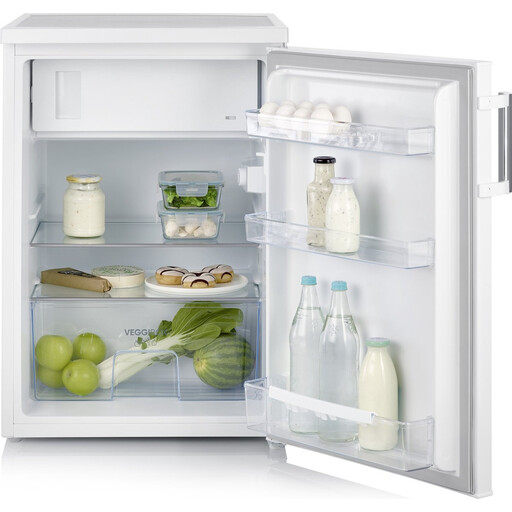
Why This Fits Their Persona: For those who prioritise specifications and maximum usable space. This model focuses on large capacity and efficiency without the bells and whistles.
With a total capacity of 120 litres (including 107 litres of fridge space), it offers that extra bit of room without compromising on energy (C-label) or noise (37 dB).
A very spacious cooling area for a tabletop model and a large crisper drawer for optimal storage of fruits and vegetables.
We have compiled a complete, up-to-date list of products that meet these strict selection criteria and local regulations.
The stars indicate how cold the freezer compartment gets and how long you can store products in it. This is an important specification that is often overlooked.
Not just any model. Every refrigerator has a 'climate class' that indicates the ambient temperature range within which the appliance functions correctly. Most models have climate class N (Normal), which stands for an ambient temperature between 16 °C and 32 °C. For a colder space like a shed, you need a model with class SN (Subnormal), which operates from as low as 10 °C. Always check this in the specifications.
The average lifespan of a tabletop refrigerator is approximately 10 to 15 years. This depends on the quality of the appliance, how intensively it is used, and whether it is well-maintained (such as regularly defrosting the freezer compartment and cleaning the back).
