
Vandaag of morgen in huis

Kwaliteit gegarandeerd

Welkomstaanbiedingen ontgrendelen: GRATIS bezorging | Tot 80% korting | Gratis 30 dagen JoyPlus-proefperiode
Download de app
Living in a studio, dorm room, or a cozy apartment? Then the search for a good tabletop refrigerator is likely a familiar one. The market is vast, but it's filled with models that seem perfect at first glance, only to disappoint in practice. As a Product Recommendation Officer at Joybuy, I see what buyers regret every day. Avoid making a bad purchase by watching out for these common pitfalls.
A smart purchase isn't about the most features, but about the right specifications for your situation.
Before you choose a model, there are a few technical details you must check. These will determine whether a refrigerator becomes an asset or a source of annoyance.
The total capacity in litres doesn't tell the whole story. A compact refrigerator of 90 litres with a smart, flexible layout can be more practical than a 110-litre model with an awkward freezer compartment that takes up half the space.
Since 2021, refrigerators have a new energy label ranging from A (very efficient) to G (very inefficient). An energy-efficient refrigerator with a better label (e.g., D or E) might be slightly more expensive upfront but will save you significantly on your energy bill in the long run.
For a refrigerator in a dorm room or studio, the noise level is perhaps the most critical factor. This is expressed in decibels (dB).
Based on objective specifications, we have selected a few models that suit different needs and budgets.
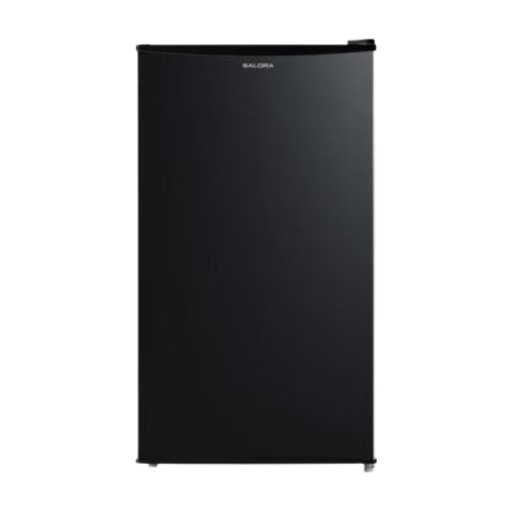
Why This Fits Their Persona: Ideal for a student or starter looking for a functional, affordable, and compact cooling solution. This model offers both a fridge section and a 4-star freezer compartment without the premium price tag.
The clear division of 68 litres of fridge space and 12 litres of freezer space avoids the 'misleading capacity' trap. You know exactly what you're getting. The F energy label is a conscious trade-off for the lower purchase price.
A complete refrigeration and freezing solution in one. The reversible door allows for placement in any corner of the room.
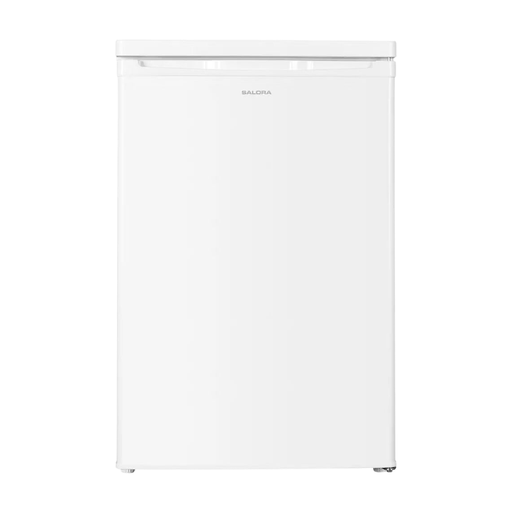
Why This Fits Their Persona: Perfect for one or two-person households that need just a bit more space. This model offers generous capacity for daily groceries and a full-fledged freezer compartment for longer storage.
With 95 litres of fridge space and a 14-litre 4-star freezer, this model tackles the 'capacity trap'. The noise level of 40 dB is acceptable for most living spaces, and the E energy label is a reasonable middle ground.
Spacious, practical capacity and a full-fledged 4-star freezer. The adjustable thermostat and shelves offer extra convenience.
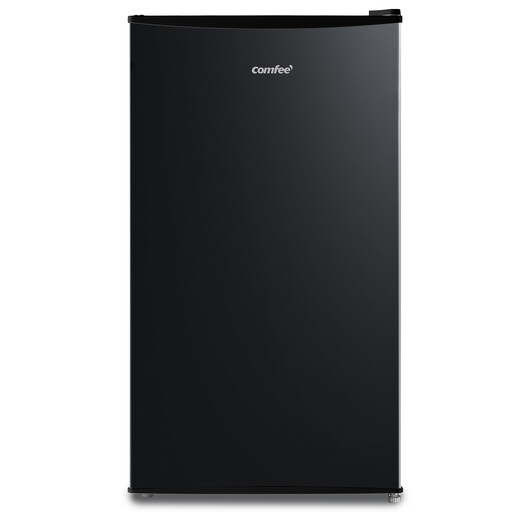
Why This Fits Their Persona: Specifically for those who live and sleep in an open space, like a studio. Noise is the most important factor here, and this model is designed to be as unobtrusive as possible.
With a noise level of just 39 dB, this model directly tackles the 'noise trap'. This is noticeably quieter than many competitors and crucial for a good night's sleep in a small space.
Very quiet in operation. The reversible door and adjustable feet ensure stable and flexible placement on any surface.
Didn't find what you were looking for? A tabletop refrigerator sometimes needs to fit into a specific niche or cabinet. Check out our range of cabinets specially designed for appliances.
After transport, a refrigerator should always stand upright for a while to allow the coolant to settle. Most manufacturers recommend a waiting period of 2 to 4 hours before you plug it in. To be safe, always check the manual for your specific model.
For a space where you also sleep, a quiet refrigerator is essential. Look for a model with a noise level of 40 dB or lower. A difference of 3 dB is a doubling of the perceived sound, so a 38 dB model is significantly quieter than a 41 dB one.
Not just any model. Every refrigerator has a 'climate class' that indicates the range of ambient temperatures in which the appliance functions correctly. Most models have class N (Normal) or ST (Subtropical), suitable for temperatures between 16°C and 38°C. If the temperature in your garage drops below 16°C in the winter, the refrigerator may stop working. Look specifically for a model with climate class SN (Subnormal), which operates from 10°C upwards.
