
Vandaag of morgen in huis

Kwaliteit gegarandeerd

Welkomstaanbiedingen ontgrendelen: GRATIS bezorging | Tot 80% korting | Gratis 30 dagen JoyPlus-proefperiode
Download de app
A compact refrigerator might seem like a simple purchase. You have limited space in your student dorm, apartment, or office and are looking for a practical solution. However, there are pitfalls that can lead to buyer's remorse. Many models overpromise and underdeliver, with impractical layouts, disruptive noise, or an unexpectedly high energy bill.
As a Joybuy Product Recommendation Officer, I'll help you see past the marketing claims. We'll focus on the facts so you can choose a model that truly fits your needs. Let's examine the three most common mistakes when buying a tabletop refrigerator.
To avoid a bad purchase, it's crucial to look beyond the sales pitches. Pay attention to the following three specifications to make an informed decision.
For a refrigerator in a student dorm or an open-plan kitchen, the noise level is one of the most critical factors. A quiet refrigerator is essential for your peace and quiet.
So, pay close attention to the noise level in decibels and consider where the refrigerator will be placed.
Since 2021, refrigerators have a new energy label ranging from A (very efficient) to G (very inefficient). An energy-efficient refrigerator with a C or D label can result in significant annual savings on energy costs compared to a model with an E or F label.
Don't just look at the letter; also check the estimated annual energy consumption in kilowatt-hours (kWh). A slightly more expensive freestanding refrigerator with a better energy label often pays for itself within a few years.
The net capacity in litres doesn't tell the whole story. A smart layout is just as important. Look for adjustable shelves, convenient door compartments, and a vegetable drawer.
Also, consider whether you really need a tabletop refrigerator with a freezer compartment. A small, integrated freezer is handy for ice cubes or a frozen pizza, but it takes up valuable cooling space and can increase energy consumption. If you don't need a freezer, a model without one (a larder fridge) offers significantly more usable space.
Based on objective specifications, we have selected several models that suit different user profiles.

Why This Fits Their Persona: Ideal for students or single-person households looking for an efficient, quiet, and affordable all-rounder. This model combines good cooling volume with a compact freezer compartment for basic needs.
At 37 dB, this is a genuinely quiet refrigerator, helping you avoid the "deceptively quiet" trap. Furthermore, its C energy label prevents a high energy bill in the long run.
Good balance between cooling (95L) and freezer space (14L). The door is reversible, providing flexibility for placement in a small space.
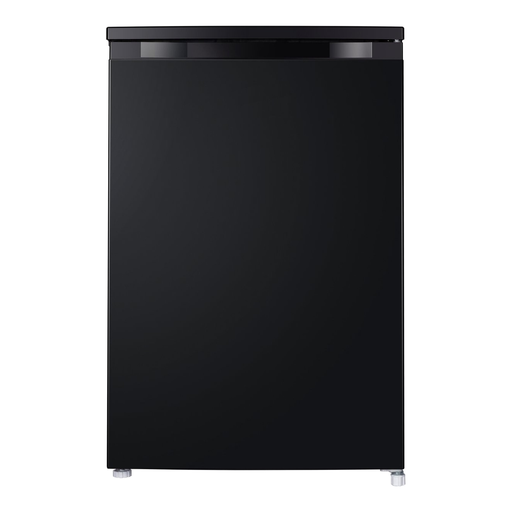
Why This Fits Their Persona: For those willing to invest a bit more in durability, silence, and design. The sleek black finish and excellent specifications make this a popular choice for modern studios and apartments.
At 37 dB and with a C energy label (87 kWh/year), this model is very quiet and efficient. The manufacturer offers a 5-year warranty, which inspires confidence in its lifespan and avoids the pitfall of a short-lived appliance.
Very energy-efficient and quiet. The practical layout with 2 glass shelves and a 13L freezer compartment offers a good balance for daily use.
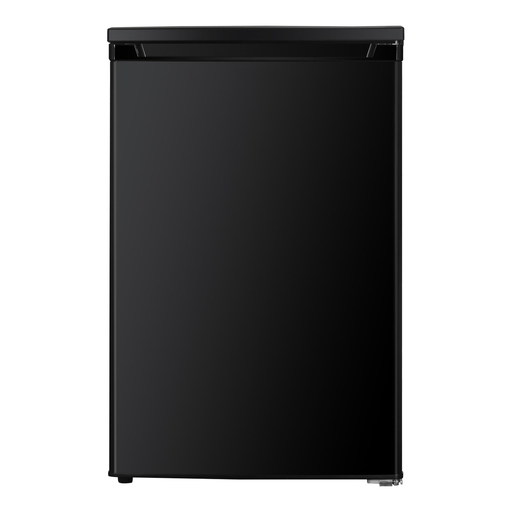
Why This Fits Their Persona: Perfect as a secondary refrigerator in the garage, utility room, or office. This model maximises cooling space by omitting a freezer compartment. Ideal for chilling drinks and storing extra groceries.
This model tackles the impractical layout pitfall by offering 126 litres of pure, uninterrupted cooling space. No wasted room on a freezer compartment you won't use anyway.
Very spacious and flexible layout. Despite its D label, the annual consumption of 72 kWh is exceptionally low, making it a very economical choice.
We have compiled a complete, real-time list of products that fully satisfy these strict selection criteria and UK safety regulations.
A model is considered quiet when its noise level is below 38 decibels (dB). This is comparable to a whisper and is ideal for a studio or bedroom. Models around 40 dB are common but can be audible in a quiet environment.
The difference can be significant. A tabletop model with a C energy label, like the Bella BKV555-040CW, consumes approximately 89 kWh per year. A comparable model with an E label, such as the Exquisit KS16-V-040EB, consumes 90 kWh. While this specific difference is small, for other models it can amount to 30-40 kWh per year. At an average electricity price, this can save you anywhere from a few dozen to over a hundred pounds over the refrigerator's lifespan.
No, it is strongly recommended to let the refrigerator stand upright for 4 to 6 hours after transport before plugging it in. This allows the coolant to settle back into the compressor. If you fail to do this, the compressor could be damaged.
