
Vandaag of morgen in huis

Kwaliteit gegarandeerd

Welkomstaanbiedingen ontgrendelen: GRATIS bezorging | Tot 80% korting | Gratis 30 dagen JoyPlus-proefperiode
Download de app
A compact fridge seems like a simple purchase—until you realise your new appliance is louder than your roommate, the freezer is too small for a frozen pizza, or your energy bill unexpectedly skyrockets. As a Product Recommendation Officer at Joybuy, I see the challenges consumers face every day. Many marketing promises obscure practical downsides. This guide will help you ask the right questions and decipher the specifications that truly matter.
Before we dive into the specifications, let's discuss the most common mistakes. Recognising them will help you avoid buyer's remorse.
tabletop fridge with freezer is popular, but the term 'freezer' is often interpreted loosely. Frequently, it's nothing more than a chilled compartment that can make ice cubes but is unsuitable for long-term storage of frozen goods. What you need is a 4-star freezer compartment to genuinely keep products at -18 °C.To avoid these pitfalls, focus on three verifiable specifications. These determine the actual performance and usability.
Since 2021, the energy label has been updated, running from A (very efficient) to G (very inefficient). The old A+++ labels are gone. For a tabletop model, a C energy class is an excellent and realistic choice. These models offer a great balance between purchase price and low annual energy consumption. Always check the estimated consumption in kWh per year on the label; this gives a concrete picture of the expected costs. An energy-efficient fridge is an investment that pays for itself.
The noise level is crucial, especially in a small space like a fridge for a dorm room. Pay attention to the decibel (dB) rating on the energy label.
A quiet fridge is essential for your living comfort.
Don't be misled by the total (gross) capacity. The net capacity is the actual usable space. For a one- or two-person household, a cooling space of 90–120 litres is usually sufficient. Check the freezer compartment's dimensions and whether it has a 4-star rating. A flexible layout with adjustable shelves and spacious door compartments makes a small fridge with a freezer much more practical for daily use.
Based on the criteria above, we have selected a few models that suit different user profiles.
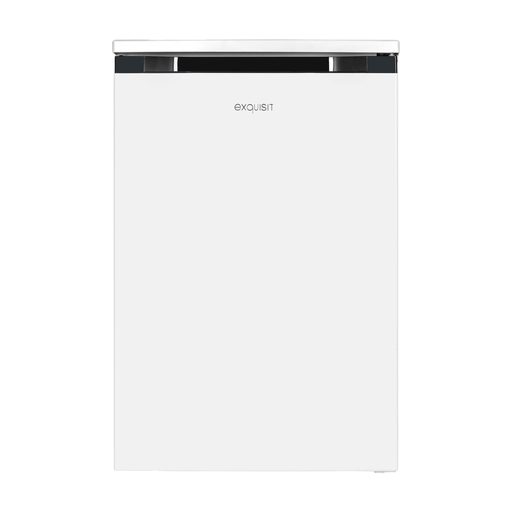
Why This Fits Their Persona: Compact and affordable, with a 13-litre freezer compartment large enough for a few frozen meals. Its very low noise level of 37 dB makes it ideal for a small dorm room where you live and sleep.
This model has an honest net capacity and a genuinely quiet design (37 dB), unlike models that are only quiet on paper. The C energy class prevents an unexpectedly high energy bill.
Very energy-efficient (Class C, 87 kWh/year) and quiet (37 dB). According to Exquisit, this model comes with a 5-year warranty, which offers extra peace of mind.

Why This Fits Their Persona: Perfect as a secondary fridge in the utility room, garage, or attic. It offers ample net capacity (95L cooling, 14L freezing) without driving up the energy bill, thanks to its excellent efficiency.
This model focuses on what counts: low annual consumption (89 kWh) and a very low noise level (37 dB). No superfluous features that unnecessarily inflate the price or consumption.
Excellent balance between a spacious, practical layout and top-tier efficiency with an energy class C rating. The reversible door offers placement flexibility.
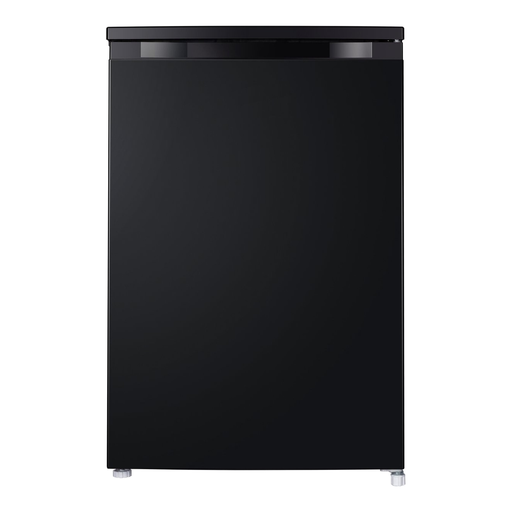
Why This Fits Their Persona: The sleek, black finish of this `black tabletop fridge` fits perfectly in a modern office, a man cave, or a design-conscious studio. It is functional without sacrificing style.
This model proves that design doesn't have to come at the expense of performance. It combines a stylish look with top-tier specs like a C energy class and a 37 dB noise level.
Stylish black design combined with the same efficient and quiet performance as its white counterpart. Exquisit also provides a 5-year warranty for this model.
We have compiled a complete, up-to-date list of products that meet these strict selection criteria.
Consumption depends heavily on the energy class. An energy-efficient fridge with a C rating typically uses between 85 and 110 kWh per year. An older or less efficient model (class E or F) can use up to 140 kWh or more. This difference can add up to dozens of dollars annually.
A freestanding fridge needs space to dissipate heat. Ensure at least 5 cm of free space at the back and sides, and 10 cm at the top. Do not place the appliance next to a heat source like an oven, radiator, or in direct sunlight. This ensures more efficient operation and a longer lifespan.
The average lifespan of a tabletop fridge is between 10 and 15 years. This depends on the brand's quality, maintenance (regular defrosting and cleaning), and environmental factors. Models from brands that offer a longer warranty period, like the 5 years reportedly offered by Exquisit, can be an indication of confidence in the product's durability.
