
Vandaag of morgen in huis

Kwaliteit gegarandeerd

Welkomstaanbiedingen ontgrendelen: GRATIS bezorging | Tot 80% korting | Gratis 30 dagen JoyPlus-proefperiode
Download de app
Living in a studio, a small apartment, or just looking for some extra freezer space for the utility room? A tabletop freezer seems like a logical choice. These compact freezers are practical and fit almost anywhere. But when choosing a model, there are a few pitfalls that many people fall into. The wrong choice not only leads to frustration but also to unnecessarily high energy bills.
As a Joybuy Product Recommendation Officer, I'll help you filter the right information. Below, we discuss the three most common mistakes and how to avoid them, so you can buy a freezer that truly fits your situation.
Before you buy a freezer, it's good to know what to look for. A lot of marketing jargon can distract from what's truly important.
energy-efficient freezer is often worth the investment.small is impractical, while a half-empty large freezer wastes energy. The right capacity depends on your household and your shopping habits.To avoid the pitfalls mentioned above, focus on the following three specifications. These will determine if a compact freezer is right for you.
A freezer's capacity is expressed in litres. A good rule of thumb is to allow for about 40-50 litres per person.
mini freezer or a model up to 60 litres is usually sufficient for storing meals, bread, and a few frozen products.90-litre freezer offers enough space for weekly groceries and some extra stock.Since 2021, freezers have a new energy label ranging from A (very efficient) to G (least efficient). An energy-efficient freezer with a good rating (e.g., C or D) can save you dozens of pounds annually compared to an E or F model. Pay attention to the annual energy consumption in kWh listed on the label to make a direct comparison.
The noise level is crucial if the freezer will be placed in your living space. A quiet freezer produces less than 40 dB.
Below are some popular choices, matched with specific user profiles. These aren't "winners," but models that score well on the objective criteria we've just discussed.

Why This Fits Their Persona: Perfect for a dorm room or first apartment. The 60-litre capacity is just right for one person, and its compact dimensions allow it to fit easily under a counter. The reversible door offers extra placement flexibility.
Addresses the pitfall of choosing the wrong size. With 60 litres, you avoid buying an unnecessarily large freezer that consumes extra energy, while still having enough space for your basic stock.
The 3-compartment layout ensures organised storage. The reversible door and adjustable feet make installation easy in almost any location.
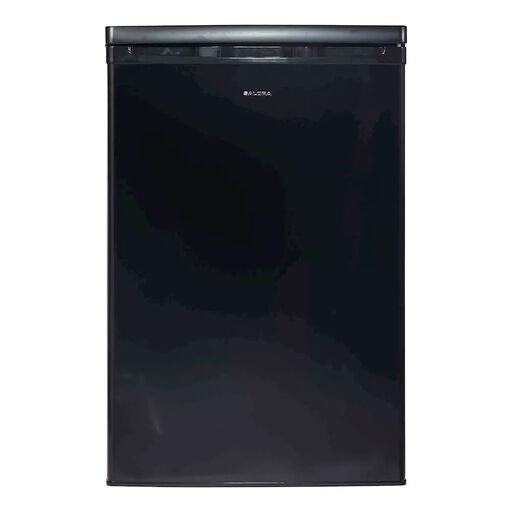
Why This Fits Their Persona: Ideal for a small household or as a secondary freezer. The 91-litre capacity provides space for groceries for two people. The stylish black freezer fits well in a modern kitchen. Also available in white.
With a noise level of 40 dB, this is a relatively quiet freezer. You avoid the pitfall of a noisy appliance in your kitchen, contributing to a peaceful living environment.
The 4 transparent drawers make it easy to organise your food and find items quickly. The 91-litre capacity is a great middle ground: not too big, not too small.
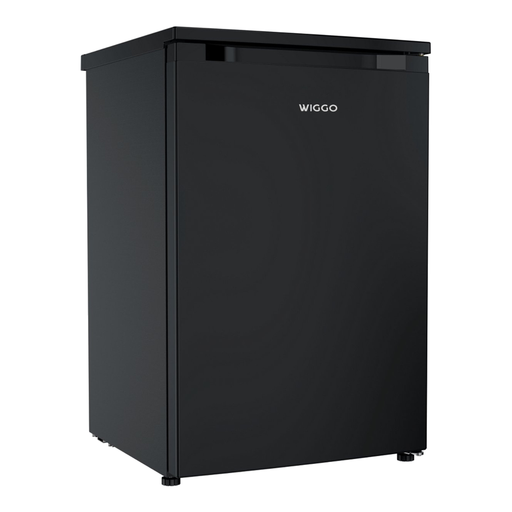
Why This Fits Their Persona: For those mindful of long-term costs. This model combines a practical 85-litre capacity with an excellent energy rating, resulting in a low energy bill.
This model directly tackles the pitfall of high energy costs. With an energy class C rating and an annual consumption of just 105 kWh, this is a highly energy-efficient freezer.
Very low energy consumption and a noise level of just 39 dB. A smart choice that is both quiet and efficient, with a good capacity for small households.
We have compiled a complete, up-to-date list of products that fully meet these rigorous selection criteria and safety regulations.
A freestanding freezer needs space to dissipate heat. Ensure at least 5-10 cm of free space at the back and sides. Place the appliance on a stable, level surface and avoid direct sunlight or proximity to a heat source like a radiator or oven.
Most compact freezers do not have an automatic No Frost function. Manual defrosting is necessary to maintain efficiency. A good rule of thumb is to do this 2 to 4 times a year, or as soon as the ice layer is about half a centimetre thick. A thick layer of ice significantly increases energy consumption.
