
Reader who needs to see fine detail
You want to see as much of the diagram, legend and accompanying text at once as possible, so you’re weighing screen space against portability. Screen sizes are based on specifications from Samsung and Lenovo.


Start by thinking about how you study the diagrams: a larger screen gives you more room to view them, while a more compact tablet is easier to carry around. Also check whether you can open your files without an internet connection, how much storage you need, and whether the right stylus is compatible with your chosen model or included. Apple, Samsung and Lenovo list different screen sizes and stylus options. These are manufacturer specifications, not the results of a comparative user test.
You want to see as much of the diagram, legend and accompanying text at once as possible, so you’re weighing screen space against portability. Screen sizes are based on specifications from Samsung and Lenovo.
You take files to places without a reliable connection and want to know whether they’re stored locally or have been made available offline in the app you use. Apple Support and Google Drive Help explain these options.
You write or mark up diagrams, so you’ll want to check that the tablet works with your chosen stylus and annotation app, and what’s included with the model you’re considering. Apple, Samsung and Lenovo describe different stylus options and bundles.
First, compare the viewing space with the portability you need. Then check offline access, stylus compatibility, storage and the accessories included with the exact model you’re considering.
The percentages below relate to consumers who want to study downloaded tidal landscape diagrams. They show which purchasing concern comes first in the scenarios described.
| What to consider | What to look for | Who is this most important for? |
|---|---|---|
| Reading details and legends | Compare screen size and resolution; if possible, view one of your own diagrams at the size you’re considering. | If I want to study labels and legends at the same time, having enough room to read is my top priority. Around 31% of consumers give readability the highest priority. |
| Opening files offline | Test a file in your chosen app with the network connection switched off. | When I don’t have Wi-Fi or mobile data while studying, I want to be sure my file is available locally or offline. Around 25% of consumers say offline access is their main purchasing concern. |
| Making notes | Check stylus compatibility, support in your annotation app and what’s included in the box. | If I want to draw lines and add notes directly to diagrams, the stylus and app are deciding factors for me. Around 25% of consumers prioritise annotation. |
| Storage and accessories | Compare internal storage, whether it can be expanded and what comes with the specific model. | If you want to store lots of material and factor in any extra purchases, storage and what’s included in the bundle matter most. Around 19% of consumers say this is their main purchasing concern. |
A file in iCloud Drive isn’t the same as one stored locally on your iPad. On Android, Google Drive has a separate setting to make a file available offline.
Save a test diagram in the way you intend to use it, then open it in your chosen app without a network connection.
Apple lists Pencil support for the iPad (A16), but doesn’t include a Pencil in the listed box contents. Lenovo describes a specific Idea Tab Pro bundle that does include a stylus.
Check the full model name, which stylus is compatible and what’s included with the exact version you’re considering.
If the stylus you want isn’t included with your chosen model, you may need to buy it separately.
A tablet that supports a memory card doesn’t necessarily mean your reading or annotation app can save files to it.
Check the file size and where your chosen app stores files. Xiaomi says a memory card for the Redmi Pad 2 is sold separately.
You may need to buy a memory card separately if you need one.
The iPad (A16) is worth comparing if portability matters and you want to use a compatible Apple Pencil.
The Galaxy Tab S10 FE+ is worth a look if a larger screen and stylus use are important to you.
The Idea Tab Pro is an Android option with a large screen for diagrams and course materials.
The Redmi Pad 2 is worth comparing if you’re looking at an Android tablet with expandable storage.
These tablets are suited to studying downloaded diagrams, with differences in screen size, storage and stylus options. Check that the accessories and features included with each model meet your needs.
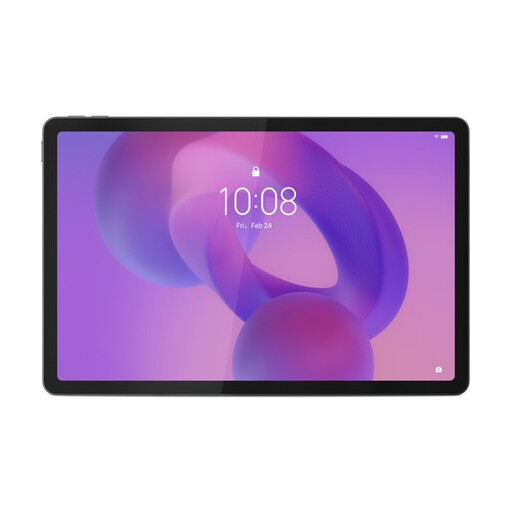 No image available
Worth a look if you want a larger screen for diagrams.
12.7-inch 3K screen; 256 GB storage; Luna Grey.
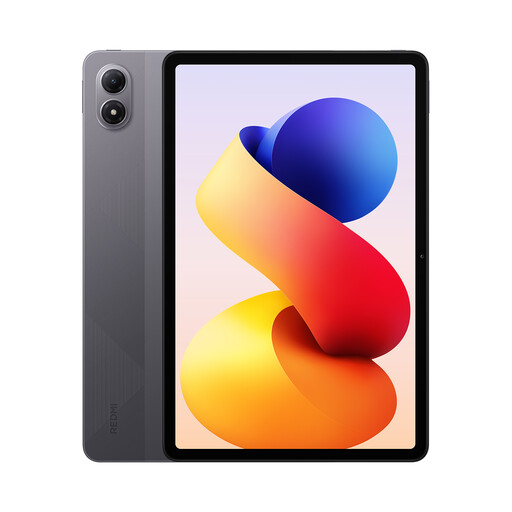 No image available
Worth comparing if you’re looking for locally stored files and 5G connectivity.
8 GB RAM; 256 GB storage; 5G.
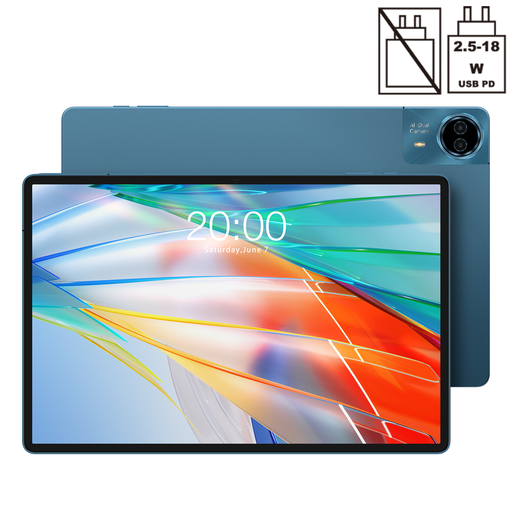 No image available
Worth comparing if you’re looking for a tablet with a large screen for diagrams.
14-inch screen; 2240 × 1400 resolution; 128 GB storage.
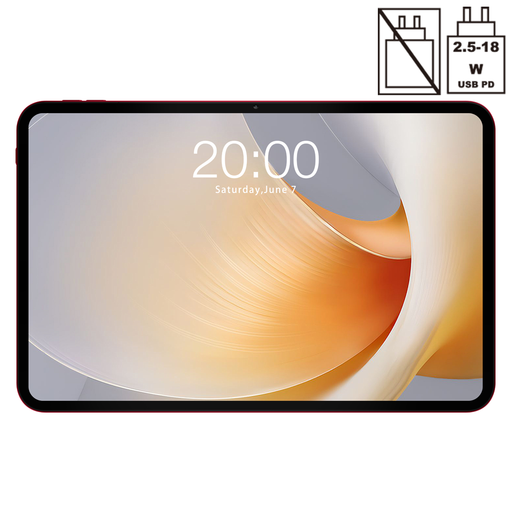 No image available
Worth comparing if screen space and storage for downloads matter to you.
13.4-inch screen; 256 GB storage.
 No image available
Worth a look if you want to annotate diagrams with a compatible stylus.
12.7-inch screen; 256 GB storage; listed as compatible with a T-Pen in the product name.
Save the file locally or make it available offline in the app you use. On an iPad, you can save a file under ‘On My iPad’; in Google Drive on Android, you can select ‘Make available offline’ for each file. Then test that the app opens it without a connection.
No, it depends on the model and version. Apple lists compatible Pencil models for the iPad (A16), but no Pencil in the stated box contents. Samsung lists the S Pen as included with the Tab S10 FE series, and Lenovo describes an Idea Tab Pro bundle that includes a stylus. Check the version you want to buy.
According to ACM ConsuWijzer, online consumer purchases generally come with a statutory cooling-off period that ends 14 days after delivery; check which exceptions apply. The Netherlands Authority for Consumers and Markets says that the seller is responsible for the statutory guarantee if a product does not meet what the consumer is entitled to expect.
Not automatically. The Dutch Government distinguishes between making a copy for personal use and distributing or publishing copyrighted material. Also check the terms of use for the specific course materials.