
Artists with an existing tablet
You’ll want to check first whether a new pen works with your exact tablet model; pens from the same product family aren’t automatically interchangeable. Apple, Samsung, Adonit and Lenovo list compatibility by model.


Start by choosing a stylus that works with your exact tablet model and drawing app. If you want brushstrokes that vary in thickness with the pressure of your hand, pressure sensitivity and app support are important. For lines with a consistent thickness, a compatible pen without this feature may be enough. Check how it sounds with your own screen and pen tip: product specifications don’t offer a reliable way to compare noise levels.
You’ll want to check first whether a new pen works with your exact tablet model; pens from the same product family aren’t automatically interchangeable. Apple, Samsung, Adonit and Lenovo list compatibility by model.
You want to control line thickness or brush response with the pressure of your hand as you draw. So check both the pen’s pressure sensitivity and app support. Procreate explains how you can link brush size to pressure with a compatible Apple Pencil.
You want to know whether the sound of the pen tip touching the screen is acceptable in your surroundings. Adonit offers tips in different hardnesses for the Note⁺ 2, but this doesn’t measure how loud they are.
First, check that the tablet model and drawing app work with the pen. Then decide whether you need pressure-sensitive lines, and test the sound of the tip on your own screen before making a choice.
| What to consider | What to check before buying | Who is this important for? |
|---|---|---|
| Tablet and app compatibility | Compare your exact tablet model and generation with the manufacturer’s compatibility list. Also check whether your app supports the features you want. | If I want to keep using my current tablet, I need to know that both the pen and my drawing app will work with it. Around 36% of consumers say compatibility with their tablet and app is their main consideration. |
| Variable tattoo lines | Check whether the exact pen is pressure-sensitive and whether the brush you plan to use responds to pressure in your app. | If I want to vary brushstrokes with the pressure of my hand, I look for pressure sensitivity in both the pen and the app. Around 29% of consumers give pressure-controlled line variation top priority. |
| Drawing in a quiet space | Try the pen tip on your own screen and any screen protector, using the pressure you normally draw with. | If I work in a quiet study space, I want to judge for myself whether the tip and screen make a noticeable sound. Around 21% of consumers are most concerned about the sound while drawing. |
| Purchase and maintenance | Check which tips are included or available as replacements, and how the exact pen is charged. | If I only want to pay for features I’ll use, I weigh up the drawing features against charging and tip replacement. Around 14% of consumers say purchase and maintenance are their main consideration. |
With the Apple Pencil (USB-C), magnetic attachment doesn’t mean the pen charges wirelessly. Apple says this version charges via a USB-C cable.
Check how the exact version charges and whether you have the cable you need.
Samsung lists differences in compatibility and features between S Pen versions; some models don’t support Bluetooth.
Check the full model code and consult Samsung’s compatibility and feature information for your tablet.
Adonit offers tips in different hardnesses for the Note⁺ 2, but that doesn’t prove a soft tip will be quieter.
Test the pen on your screen and any screen protector in a similarly quiet environment. Don’t assume the tip material alone guarantees a particular noise level.
Apple Pencil versions are designed for specific iPads, so check compatibility with your model.
Samsung offers S Pen versions for Galaxy devices, including specific Galaxy Tab models.
The Note⁺ 2 is a pen option for the iPads supported by Adonit.
The Tab Pen Plus is an option for a Lenovo tablet, with system compatibility confirmed separately.
This selection includes pens for specific iPad models, as well as compatible e-ink and other tablets. Check each pen’s compatibility with your exact tablet model and the features supported by your drawing app.
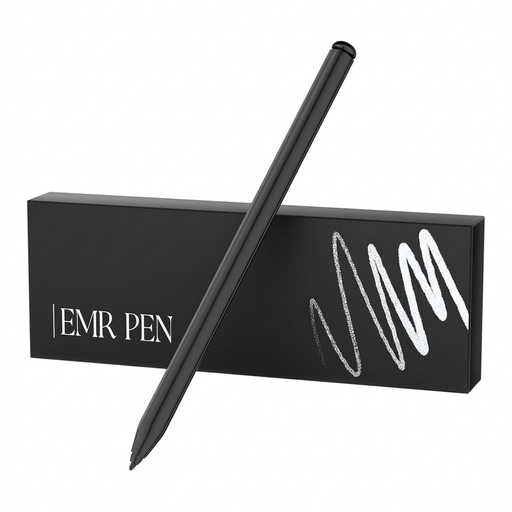 No image available
An option for drawing on a compatible reMarkable or Kindle Scribe tablet.
The product name lists reMarkable 1 and 2, Kindle Scribe and 4096 pressure levels.
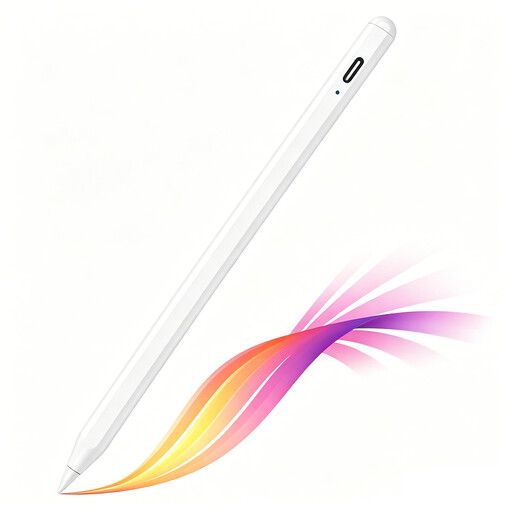 No image available
An option for sketching on an iPad model supported by the product listing.
The product name lists USB-C charging, tilt detection, palm rejection and magnetic attachment; compatibility is limited to selected iPad models.
 No image available
An option if your compatible iPad and drawing app support pressure-sensitive brushstrokes.
The product information lists pressure sensitivity and tilt detection. Compatibility is limited to the iPad Pro, iPad Air and iPad mini models specified.
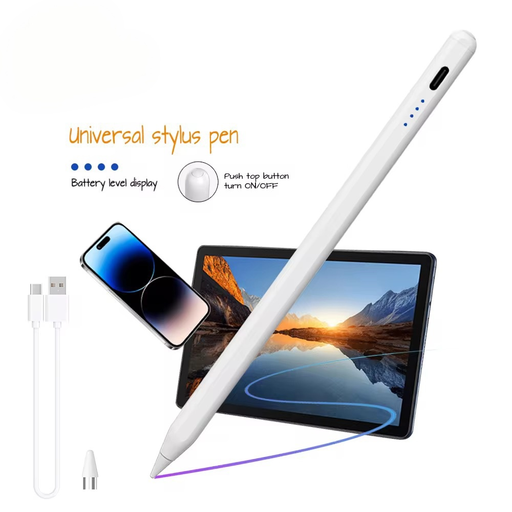 No image available
An option for sketching on a device whose capacitive screen and required app work with this pen.
The product name lists iOS, iPad, Android and Microsoft systems. The product information mentions capacitive screens and app-based pairing.
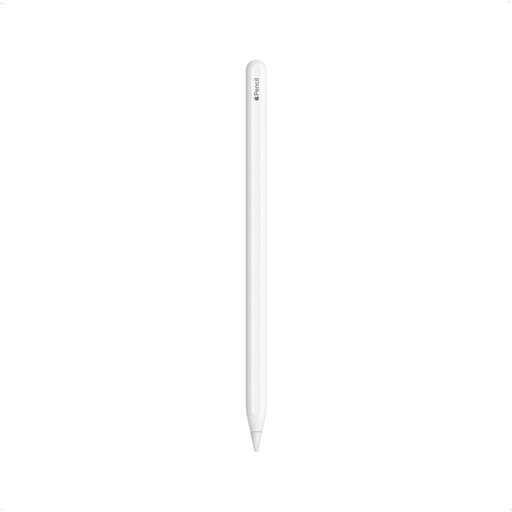 No image available
An option for drawing and sketching if your iPad is one of the compatible models listed.
The product name lists the 11-inch iPad Pro, 12.9-inch iPad Pro, iPad Air (4th and 5th generation) and iPad mini (6th generation). Check the full compatibility list for your version.
Find the exact model and generation of your tablet, then compare them with the pen manufacturer’s compatibility list. Next, check separately whether your drawing app supports the features you want, such as pressure sensitivity.
First check whether your pen is pressure-sensitive and whether the app and selected brush respond to pressure. Apple says the Pencil (USB-C) isn’t pressure-sensitive; according to Adonit, pressure sensitivity on the Note⁺ 2 requires pairing with specific apps.
Yes. Apple lists replacement tips for Pencil Pro, Pencil (USB-C), Apple Pencil (2nd generation) and Apple Pencil (1st generation). Check that the replacement tip fits your version.
When you buy online from a business, you generally have 14 days to change your mind, but check whether an exception applies. You also have rights if a product is faulty; according to the Dutch government, there is no fixed statutory two-year guarantee period in the Netherlands, and the retailer is your point of contact.
No, not simply because the product is a stylus. According to the European Union, CE marking is only compulsory for products covered by applicable harmonised EU rules that require it. The rules that apply depend on the product’s specific design.