
Sketcher with an existing tablet
You want to find out which stylus works with your iPad, Galaxy Tab or Surface. Apple, Samsung and Microsoft specify compatibility by model or stylus version, so a matching brand name alone is no guarantee.


Start with your exact tablet model: Apple Pencil, S Pen and Surface variants have different compatibility limits. Then look for pressure sensitivity or tilt control if you want to vary line weight and shading as you sketch. For simple outlines, grip, nib and charging may matter more. Nib features alone are not a reliable guide to how much noise the stylus will make on your tablet screen.
You want to find out which stylus works with your iPad, Galaxy Tab or Surface. Apple, Samsung and Microsoft specify compatibility by model or stylus version, so a matching brand name alone is no guarantee.
You develop shapes and shading, and want to check whether your stylus, tablet and drawing app combination supports pressure sensitivity or tilt.
You want to weigh up grip, nib, controls and charging for focused sketching. The nib features mentioned do not show how audible the stylus will be on your screen.
| Buying concern | What to look for | Who is this important for? |
|---|---|---|
| Compatibility | Check the full tablet and stylus version against the compatibility list, and see whether a particular software version is required. | I want to be sure the stylus works with my existing tablet before weighing up its features. Around 33% of consumers prioritise compatibility above all else. |
| Line weight and shading | Check pressure sensitivity and tilt separately for your stylus, tablet and drawing app. | When developing shapes and shading, I want to know how I can control line variation. Around 27% of consumers prioritise control over line weight and shading. |
| Quiet desk use | Compare the shape and replaceability of the nib, and see which charging method suits your workspace. | At a quiet desk, I look at the nib, grip and controls, without assuming that material claims tell me how much noise the stylus makes. Around 20% of consumers prioritise comfortable desk use. |
| Charger and replacement nibs | Check what’s included, which charger is suitable for the stylus and whether replacement nibs are available for your model. | I want to know in advance whether my stylus needs a separate charger or replacement nibs later on. Around 20% of consumers look at this first. |
Manufacturers distinguish between tablet generations and stylus versions. A stylus that does not match your exact device is not suitable for your sketching.
Compare your tablet’s full model name with the official compatibility list for that specific stylus.
Choosing the wrong version could mean having to look for a compatible stylus after all.
Tilt and pressing harder are different ways to vary your lines. Support for one feature does not confirm that the other is available.
Check pressure sensitivity and tilt control separately for your stylus, tablet and drawing app combination.
Charging options can vary by device or accessory, and some styluses have replaceable nibs.
Check the packaging, your tablet’s charging support and the availability of compatible replacement nibs.
You may need a suitable charger or replacement nib to use or maintain your stylus.
Apple Pencil versions are designed for specific iPads, so check which one is right for your tablet.
S Pen versions are designed for supported Galaxy devices.
The Surface Slim Pen is an option for Surface devices with supported pen input.
The Note+ 2 is an alternative for the iPads Adonit lists for this model.
The Logitech Crayon reviewed is a stylus for iPad, including for diagrams and sketches.
This selection includes standalone styluses for sketching on iPad, Surface and capacitive screens. Check each stylus for compatibility with your device.
 No image available
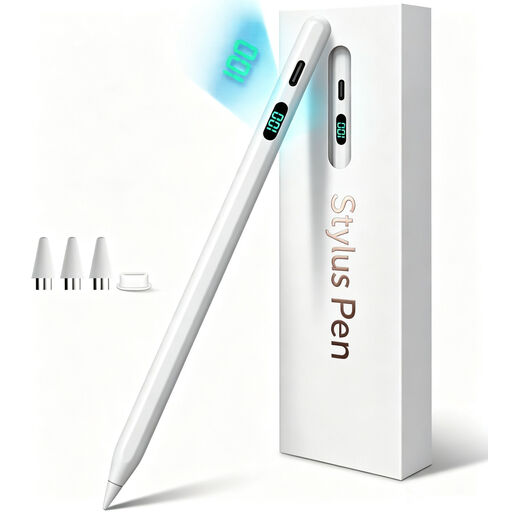
For sketching on a compatible iPad when tilt control and palm rejection matter.
Charges via USB-C and, according to the product description, offers up to 10 hours of use after charging. Pressure sensitivity is not supported.
 No image available
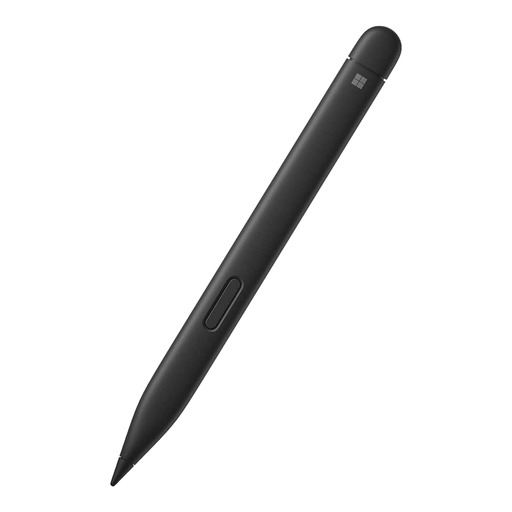
For sketches where pressure sensitivity and shading matter, provided your Surface supports the stylus features.
The product description lists 4,096 pressure levels, a sharp tip and haptic feedback. The stated compatibility includes Surface Pro 8 or Surface Pro X Type Covers; features vary by Surface model.
 No image available
For developing line weight and shading on an iPad that supports this stylus.
The product description lists pressure and tilt sensitivity, gestures, and magnetic pairing and charging on a compatible iPad. Apple specifies iPadOS 17.5 or later for this version.
 No image available
For outlines and sketches on a compatible iPad when tilt control is enough.
Apple specifies tilt sensitivity and charging via a USB-C cable. Pressure sensitivity cannot be inferred from the tilt feature; check compatibility with your iPad model.
 No image available
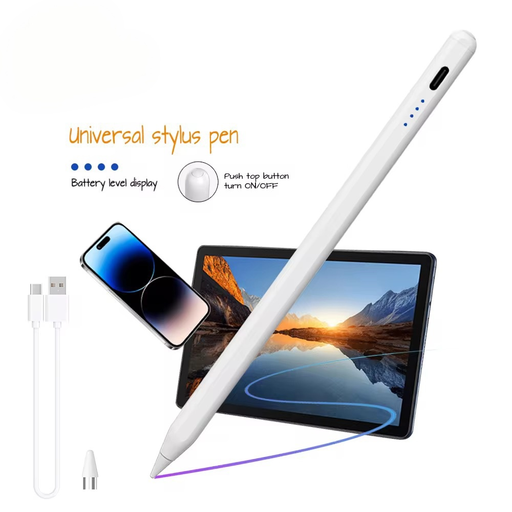
For sketching on a capacitive screen when the stated device and app compatibility suits your needs.
The product information lists a built-in lithium battery, charging and pairing via an app. Check the required app and support for your device.
First, find your tablet’s full model name and generation, then compare them with the compatibility list for your chosen stylus. For Apple Pencil, also check the required iPadOS version; for Surface, see which pen features your model supports.
It varies by version. Apple specifies pairing and charging the Apple Pencil (USB-C) via a USB-C cable; the Pencil Pro pairs and charges magnetically on a compatible iPad. For a Surface Slim Pen, check whether your device or accessory supports charging.
First, check how to replace the nib on your model; Samsung describes nib replacement for the Tab S11 series stylus. If a product is faulty, the retailer is your point of contact for your statutory guarantee in the Netherlands. According to the Dutch government, there is no fixed statutory time limit: factors such as the expected lifespan and the cause of the fault are relevant.
A CE mark is required when the specific stylus falls under EU rules that require this marking; this does not automatically apply to every product. The European Union explains that the requirement depends on the applicable harmonised rules. Check the product information for the specific stylus before drawing conclusions about the requirements that apply.